Gallery

July 07, 2025

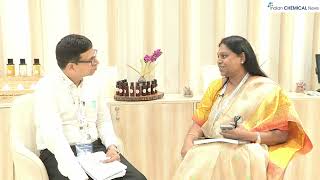
Automation gives flexibility to scale up and change products without losing consistency: G. Balaji, SVP, Energy Industries, ABB India

In an exclusive interview to Indian Chemical News, G. Balaji, SVP, Energy Industries, ABB India talks about how automation is transforming chemical manufacturing, role of automation in improving safety in hazardous process environments, integration of automation and digitalization, ABB offerings. Excerpts of the interview: 

How is automation transforming chemical manufacturing?  

In an industry where every second and every variable counts, automation is the backbone of modern chemical manufacturing. At its core, automation systems bring stability, safety, and precision to highly variable and sensitive chemical processes. With automation technology, we can monitor and control critical parameters in real-time, ensuring operational efficiency and safety, which is crucial when manufacturing in hazardous areas. 

In continuous operations such as polymer or petrochemical production, automation ensures that even micro-variations are corrected instantly, driving higher yields and reducing downtime. In the case of batch operations, where precision and flexibility are essential, intelligent automation can unlock new levels of efficiency. Today’s advanced batch management systems, integrated with real-time analytics and AI, enable adaptive control across multiple product lines. Recipe changes can now happen in minutes, with complete traceability, helping manufacturers maintain quality at every step. Currently, the industry is also exploring the automation of recipe creation directly from ERP systems.  

As market demand keeps evolving, automation gives flexibility to scale up or shift direction and change products without losing consistency. It’s not just about performance anymore; it’s about getting to market faster, cutting out inefficiencies, and staying ahead in a fast-paced industry. 

What’s the role of automation in improving safety in hazardous process environments? 

In hazardous areas, automation is the invisible shield that protects what matters most – people, assets, and uptime. By enabling real-time monitoring and control of key parameters, it significantly reduces the need for manual intervention in high-risk areas. Advanced automation systems can detect anomalies early, trigger alarms, and even initiate safe shutdown procedures, ensuring a swift and controlled response. 

Take, for example, a chemical plant handling flammable or toxic substances. A safety-integrated automation system continuously tracks critical variables. If any parameter exceeds its safe limit, the system can immediately isolate the affected area and shut it down to prevent escalation. When combined with predictive maintenance solutions, automation can also flag potential issues before they lead to equipment failure.  

How can integration of automation and digitalization in chemical manufacturing help in decarbonisation? 

Automation systems ensure that processes run at optimal efficiency, minimizing waste and energy use. At the same time, digitalization gives operators the data and insights needed to make smarter, faster decisions, whether it’s optimizing raw material usage, reducing unplanned downtime, or identifying carbon hotspots across the value chain. Together, they form a powerful duo, enabling more agile, and sustainable operations, ones that align with the industry's long-term decarbonization goals. However, the real impact lies not just in adopting these technologies, but in how strategically and effectively they are applied to drive continuous improvement and adaptability. 

What is ABB’s offering in the chemicals segment? Can you share examples of how ABB technology has helped chemical/petrochemical plants? 

At ABB, our portfolio is designed to meet the unique demands of both continuous and batch chemical production. From Distributed Control Systems (DCS) like ABB Ability System 800xA to Manufacturing Execution Systems that connect plant operations with enterprise systems, and Batch Management Systems designed for precision and flexibility, we cover the full spectrum.  

ABB’s DCS minimizes manual interventions, reduces downtime, and maintains consistent product quality all along ensuring that the production intelligence is available and secured within the system. Our Remote I/O solutions simplify wiring, speed up commissioning, and enable modular automation, ideal for facilities producing small or custom batches. We also provide smart electrification, power management, cybersecurity, and advanced digital solutions to support predictive maintenance and optimize asset performance. 

Our systems are known for their reliability in high-stakes environments. For instance, we helped an agrochemical manufacturer to control over 100 reactors through the ABB Ability platform at their largest facility in India.  

How is ABB leveraging AI and machine learning in chemical manufacturing? 

In many plants, AI is powering predictive maintenance, detecting early signs of wear in equipment like pumps and motors to reduce unplanned downtime. Solutions like ABB Ability Genix, brings together data from across the plant, helping manufacturers monitor equipment health, improve performance, and reduce emissions. 

Our APM suite, i.e. Genix APM, uses AI & ML algorithms to perform pattern recognition, helps in identifying operating anomalies and predicting potential faults before they lead to unplanned downtime. We are helping operators shift from reactive maintenance practices to predictive maintenance which provide tangible benefits in terms of improving equipment utilization, extending equipment service life, safety and performance in a cost-effective manner.  

With platforms like Genix APM Copilot, we’re taking it a step further by bringing generative AI into the equation, enabling seamless processing and analysis of data from diverse sources, including shop floor operations, operator interactions, enterprise systems, unstructured data and metadata. With a strong focus on data security and governance, Genix Copilot ensures a trusted and efficient AI-driven ecosystem for industrial operations. 

Ultimately, our goal is to help customers by integrating AI and ML across our offerings, digital platforms, and asset management solutions to create a more intelligent, autonomous, and sustainable chemical manufacturing environment.

July 06, 2025

Focusing on cost and quality to remain preferred supplier for our valued customers: Sabaleel Nandy, Executive Director & CEO, DCM Shriram Chemicals

DCM Shriram Chemicals, the second largest manufacturer of caustic soda in India, is going ahead with its growth strategy to further consolidate its position in the chemical markets. Sabaleel Nandy, Executive Director & CEO, DCM Shriram Chemicals shares about the latest development, expansion plan and overall performance of the company...

Key achievements of DCM Shriram Chemicals during FY 2024-25 to enhance its market position and operational efficiency? 

We had a successful FY 24-25 during which it was much about “New Rubber hitting the road” and we were able to successfully commission many of our planned investments. During the last 24-30 months, we had been executing a major capex plan of over Rs 3,200 crore, many of which are now commissioned and yielding desired results. These include the 850 TPD expansion of caustic soda capacity at Bharuch, thereby making our Bharuch plant the country’s largest single location chlor-alkali plant and making DCM Shriram Chemicals the country’s 2nd largest player with an annual caustic soda capacity of a million MT per annum. We also commissioned 2 new “caustic soda flakes” plants of 300 MTPD each, taking our total capacity of flakes to 900 TPD. Our new flaker plants are run exclusively by ladies. 

Moreover, a new 52,000 MTPA hydrogen peroxide (H2O2) plant is marking the entry of DCM Shriram Chemicals into potentially the value-added segment. H2O2 has wide and emerging applications in many traditional and new age industries. 

The company also expanded aluminium chloride capacity and the annual capacity today stands at over 50,000 MTPA. We are also going to commission a 50,000 MTPA epichlorohydrin (ECH) plant soon. As we know, the majority of ECH globally gets consumed in the manufacturing of epoxy resins.  

Also, in 2024, we announced new significant projects including entry into advanced materials with a proposed investment of Rs 1,000 crore and a further expansion of aluminium chloride and entry into calcium chloride. Most of these are expected to form a part of the offerings from the business in the current fiscal. 

We are gradually transitioning to renewable power which stands today at over 50 MW through group captive mode, thus enhancing our green power share to over 20 per cent of the total power consumed at Bharuch. We also commissioned a new state-of-the art 120 MW captive power plant to cater to the increased energy demands owing to expansion of caustic and other plants.  

Could you provide an overview of DCM Shriram Chemicals' revenue performance for FY 2024-25, highlighting key growth metrics and any significant year-over-year changes? 

DCM Shriram Chemicals has had a good year during FY 24-25. Our revenues grew by over 30 per cent and we also had a good bottom-line (PBIT) performance of over Rs. 300 crore for the chemicals segment.

We have enjoyed the benefits of the new plants being commissioned through the majority of the bottom-line benefits that have accrued from the cost-side interventions, from the new power plant as well as benefits that our digitization initiatives have begun to bear. 

Based on the global events of the past few months, what are the company’s projections and strategic priorities for the upcoming fiscal year to sustain and enhance revenue growth? 

At DCM Shriram Chemicals, the outlook for FY 25-26 remains cautiously optimistic. The FY 24-25 has been much better than the year before, i.e. FY 23-24 but we are yet to be anywhere close to what we had achieved in FY 22-23, mainly because the prices have significantly corrected since the peaks of 2022. 

However, 2025 started with the threats and counter-threats to global trade through multiple pronouncements of tariffs by several countries. Though there is a current state of pause and indications are that situations will normalize, we would like to continue to be vigilant about global trade flow impacts due to such tariff pronouncements. 

As a business, we will continue to work on the fundamentals around cost and quality and persist in our endeavour to be the preferred supplier of choice for our esteemed customers. 

Over the last 24-30 months, DCM Shriram Chemicals has invested over Rs 3,200 crores in our Bharuch plant, the country’s largest single location caustic plant, for the various expansion and new products…

DCM Shriram Chemicals has signed a Memorandum of Understanding (MoU) with Government of Gujarat to invest Rs. 12,000 crore in manufacturing of chemical and petrochemical products by 2028. How do you see this investment unfolding in the future? 

Over the last 24-30 months, DCM Shriram Chemicals has invested over Rs 3,200 crore in its Bharuch plant, the country’s largest single location caustic plant, for the various expansion and new products. In Bharuch, we are a part of the GIDC cluster (Gujarat Industrial Development Corporation). The advantage of being in a cluster is that there are downstream consumers for our products. These mutual dependencies with our co-located customer industries have over the time evolved into a symbiotic relationship between the players and it is almost a scenario where member industries are cooperating with each other for maximizing their own performance potentials.  

Given this context and in light of the emergence of the belt as a chemicals hub of the country, we continue to remain bullish about the prospects of the state of Gujarat going forward. The signing of the MoU with the Gujarat government of Rs 12,000 crores is a manifestation of our continued bullishness towards the state and our own conviction about the long term opportunities on offer in the chemicals space for us.  

DCM Shriram Chemicals has made an interesting announcement related to the Flaker plant being run exclusively by ladies. This looks like a unique move within the chemical industry at large. Please tell us more about this. 

During the last year, we commissioned 2 new caustic soda flaking plant (flakes are the solid form of caustic soda, the other product form being “lye”, in which caustic soda is in liquid state), each having 300 MTPD capacity and in what is probably a first for the industry, we are having these new flakes plants run exclusively by ladies. In fact, it’s not just the operations and maintenance – ladies manage the accompanying support functions like QC, packing, etc. The flakes plants are in fact a “no-men” zone and we have received significant interest from peer industries, customers and other partners /stakeholders about this move. 

We also read that DCM Shriram Chemicals is engaging “differently-abled” people in their Bharuch plant. What is this about? 

We have for long espoused the mantra of WIDE which stands for “We are Inclusive, Diverse and Equitable” and for us, “diversity” is beyond just gender. About a year back, our warehouse team undertook an experiment to enroll differently-abled people for managing warehouse operations. Little did we know that after a year, we will have over 25 per cent differently-abled colleagues in our warehouse. Our differently-abled colleagues have been extensively trained on safety and other aspects of working inside a plant and we are happy to mention that it is today much beyond an experiment that has the promise of becoming a way of life for the warehouse. 

You have recently signed an MoU for research collaboration with the Institute of Chemical Technology (ICT). How is the company’s collaboration with ICT shaping up?

We are proud to have entered into a long partnership with ICT. Under this partnership, scientists at our Innovation Center will work closely with the professors at ICT to progress the frontiers of research through collaboration and partnership. We have also jointly agreed that “sustainability”, “greening” and “value-addition” will be the key themes for this partnership. Moreover, we intend to offer interesting internship opportunities to the ICT students at our Innovation Centre and plants. Though it is still early days, we have already articulated for ourselves a charter of joint research and are looking forward to some interesting breakthroughs in the months to come. 

The signing of the MoU with the Gujarat government of Rs 12,000 crores is a manifestation of our continued bullishness towards the state and our own conviction about the long term opportunities on offer in the chemicals space for us…”

DCM Shriram Chemicals has been taking significant steps towards further digital transformation of the business. Please share with us the details?  

At DCM Shriram Chemicals, we have launched a project to further deepen our safety and digital excellence. We have called this “Project BLESSED” where BLESSED is an acronym that stands for “Becoming a Lighthouse through Exemplary Safety Systems and Excellence in Digitalization”. While on one hand, we are working on 2 parallel streams related to Workplace Safety and Process Safety Management, on the other, we are using Digital & Analytics to understand better the “how and why” of operating performance so that our processes are run even more efficiently. We have engaged world-class partners /enablers to help us in this journey and it is our intent to make BLESSED a cornerstone of our D&A transformation journey. 

Contribution of renewable energy in the total energy mix of the company. How do you see it changing in future? 

Caustic soda manufacturing is a power hungry operation and we believe this offers us a significant opportunity for greening and having more renewable power in our mix. With this conviction, we have been progressively deepening our renewable power footprint including noteworthy increases in the last 24 months. We have over 50 MW of renewable power in our mix and over 20 per cent of our power today comes from renewable sources. We will continue to explore further addition of renewable power in the overall power mix. 

How integral are the CSR projects for the company’s overall vision? Which Key projects were prioritized in FY 2024-25 and what outcomes have been achieved?  

As a group, DCM Shriram has always believed in growing with the communities where one operates. Long before rules around CSR were formulated, the group has worked towards improvements of the lives of the people and communities around us. 

At DCM Shriram Chemicals, we have adopted specific items from the overall group’s CSR charter, in close consultation with the DCM Shriram Foundation and translated them into specific measurable programs of CSR for us. For example, under the aegis of “Kishori Utkarsh Pahel” (KUP), one of the flagship initiatives of the “DCM Shriram Foundation”, at Bharuch, the chemicals team is working towards promoting health awareness of adolescent girls. Further, under a different program, to promote green cover, we have set a target to plant 1 million saplings. Another of our CSR programs aims at de-silting of check-dams under which we will plan to conserve an additional quantum of over a billion litres of water. Yet another has been in the area of waste handling for municipalities and /or village clusters – one of the first such large scale deployments of our waste handling model was recently done in Bharuch by our CSR team.  

At DCM Shriram Chemicals, CSR isn’t a one-off event. We run these programs on a mission mode and the objective is to deliver significant on-ground impact. Thus most of our programs require 2-3 years of persistent implementation.

July 04, 2025

Expect to handle 50 million tonnes of cargo, targeting a 20% overall growth: Susanta Kumar Purohit, Chairperson, V.O.C Port Authority

Strategically located close to the East West International Sea Route, the V.O. Chidambaranar (VOC) Port is considered as the gateway port of Southern Tamil Nadu. It is an all-weather port with 24x 7 operations and is well connected by road and rail. The port is congestion free and provides seamless cargo evacuation through National Highways 38 connecting Madurai and 138 connecting Tirunelveli. Susanta Kumar Purohit, Chairperson, V.O.C Port Authority shares the development plan of the port...

How was the cargo and financial performance of the VOC Port in FY24-25? 

In FY 2024-25, despite capacity constraints, VOC Port delivered a robust performance, handling 41.72 million tonnes of cargo, a significant increase from the 41.40 million tonnes in the previous fiscal year. The Container handling reached a record 7, 95,222 TEUs (Twenty-foot Equivalent Units) registering an impressive growth of 6.41 per cent. 

For FY 2025-26, we expect to handle 50 million tonnes of cargo, targeting a 20 per cent overall growth in throughput and Container volumes are projected to exceed 8, 50,000 TEUs. VOC Port has achieved the highest ever Total Revenue of Rs 1209.19 crore in the FY 2024-25 as compared to Rs 1121.92 crore of previous FY 2023-24, registering a growth of 7.78 per cent. The net surplus after tax for FY 2024-25 is Rs 534.90 crore as against Rs 460.08 crore in FY 2023-24, registering a record growth of 16.26 per cent and the Operating Ratio of 29.05 per cent, is one of the least among the Indian major ports. 

What sort of infrastructure was added last year and what are the planned capacity augmentation initiatives of the VOC Port? 

VOC Port has adapted to rising cargo volumes and global trade demands through various initiatives. We have enhanced our container handling infrastructure, by commissioning Tuticorin International Container Terminal operated by JM Baxi, with a capacity of 6 lakh TEUS. Along with the existing DBGT Container terminal, the port has a container handling capacity of 1.2 million TEUs. 

To cater the bulk cargo needs, the NCB-II has been operationalized with Harbour Mobile Cranes. The North Cargo Berth-III has been dredged to 14.2 mt draft and shall be operational in a few days with Harbour Mobile Cranes, accommodating 95,000 DWT vessels. Further, the fully mechanized North Cargo Berth-III shall be operated by JSW by the end of March 2027. An innovative solution to use the spare capacity available at the berth, a link conveyor with 2000 TPH capacity, linking Coal Jetty I conveyor with Port Coal Yard for handling coal has been developed. 

The turning circle of the Port and the entrance channel is also being upgraded. The mouth of the entrance channel will be widened from 153 mt to 230 mt. Further, the diameter of the turning circle will be widened from 480m to 550m facilitating the Port to berth 14.20 mt draft container vessels with ease. Plans are also in place to construct a 440 mt multi-cargo Berth No.10 and a 470 mt exclusive windmill blade terminal to boost offshore wind exports through VOC Port. On completion of the planned inner harbour capacity augmentation projects, the port will be able to attract regular mainline vessels. 

Moreover, the Outer Harbour project of VOC Port with two container terminals, draft of 16 metres and capacity to handle 4 million TEUs of containers shall transform VOC Port as the Transshipment Hub of the East coast of India.  

VOC Port has earmarked 765 Acres of land under the Coastal Employment Unit for setting up various port based industries under the Sagarmala initiative of Ministry of Ports, Shipping and Waterways…

How do you see port-led industrialization around VOC Port? 

VOC Port has earmarked 765 acres of land under the Coastal Employment Unit for setting up various port- based industries under the Sagarmala initiative of the Ministry of Ports, Shipping and Waterways. Many industries like green hydrogen manufacturing, chemicals, food processing, edible oil manufacturing and warehousing are already operating their facilities at the port. 

What sort of green hydrogen and renewable energy projects are coming at VOC Port? 

An investment of Rs 41,860 crore has been committed by leading global firms such as ACME Green Hydrogen & Chemicals, Green Infra Renewable Energy Farms (Sembcorp), Amplus Ganges Solar, and ReNew E-Fuels. The commencement of green hydrogen is expected by the year 2028. To infuse confidence in the investors, the pilot project for installation of green hydrogen production plant of 10 nm3 capacity, along with 10KW power generation using fuel cell for EV charging and powering street lights in port colony is nearing completion. In addition, the port is set to undertake a pilot project for green hydrogen and green methanol bunkering which will demonstrate bunkering and refueling facilities at VOC Port.  

The newly commissioned Direct Port Entry (DPE) facility enables factories and exporters to deliver containers directly to the port terminal instead of routing through container freight stations (CFS)… 

How is VOC Port positioning itself as a smart port? 

India’s first indigenously developed Vessel Traffic System to optimize vessel movements, minimizing congestion and berthing delays has been commissioned at the port. The RFID based port gate management has facilitated real time gate monitoring and seamless movement of trucks. The newly commissioned Direct Port Entry (DPE) facility enables factories and exporters to deliver containers directly to the port terminal instead of routing through Container Freight Stations (CFS). Port’s drive through container scanner can scan 100 vehicles per hour, capable of detecting suspicious material at ease, thereby improving the evacuation efficiency. 

VOC Port is working on implementing AI and IoT technologies to create a smart, green, and secured port. The port is set to commission an IoT-based street lighting system and water sprinkler system in the coal yard. The port is also exploring various avenues of automation, AI and IoT, Digital twin, 5G technology with IIT Chennai.

July 02, 2025

Embedded sustainability, innovation, and technology in our long-term strategic vision: Kartik Bharat Ram, Joint Managing Director, SRF

 SRF Limited is a chemical-based, multi-business enterprise with a diversified portfolio including chemicals, packaging films, and technical textiles, with a global presence in over 100 countries.Kartik Bharat Ram, Joint Managing Director, SRF talks about company's performance and growth plan... 

Overall performance of SRF Limited in FY24-25 and expectations in FY25-26? 

SRF Limited delivered a mixed performance in FY24–25, with revenue growing by 12 per cent to Rs. 14,693 crore and EBIT rising 6 per cent to Rs. 2,336 crore. The chemicals business faced early challenges due to weak demand and inventory issues but showed recovery in the second half, while the packaging films (renamed as Performance Films & Foil) business faced challenges due to global overcapacity, offset by a focus on value-added products and cost efficiencies. In FY25, the technical textiles business recorded a stable performance.  

Looking ahead to FY25–26, SRF is cautiously optimistic, driven by new product launches, improved capacity utilization, and a projected ~20 per cent growth in the chemicals segment. The company remains vigilant about global uncertainties but is confident in its innovation-led strategy and operational resilience.  

In October 2024, SRF approved capital expenditures totaling approximately Rs. 1,500 crore. What were the primary projects identified for this investment? 

In October 2024, SRF approved capital expenditures totalling approximately Rs. 1,500 crore. The primary projects identified for this investment include production facilities for fourth-generation refrigerants. This project aims to establish new production facilities for fourth-generation refrigerants at Dahej, Gujarat. These refrigerants have a much lower Global Warming Potential (GWP) and a reduced carbon footprint. The estimated cost for this project is Rs. 1,100 crore. 

Another significant project involves setting up a manufacturing facility for BOPP-BOPE film production, in Indore, India. This initiative allows SRF to expand its BOPP substrate production while exploring the new BOPE substrate. It also aligns with the company’s sustainability goals, as polyolefin substrates like BOPP and BOPE are known for their recyclability and environmental benefits due to their mono-family composition. The projected cost for this project is Rs. 445 crore. These projects reflect SRF's commitment to sustainability and innovation, aiming to enhance production capabilities while reducing the environmental impact. 

How does the establishment of new production facilities for fourth-generation refrigerants at Dahej, Gujarat, align with SRF's long-term strategic goals? 

The establishment of new production facilities for fourth-generation refrigerants at Dahej aligns closely with SRF’s long-term strategic goals, particularly those outlined in our Aspirations 2030. SRF's long-term strategic goals emphasize sustainability, innovation, and technological leadership. The new production facilities for fourth-generation refrigerants will have a much lower Global Warming Potential (GWP) and carbon footprint, which directly supports SRF's commitment to environmental sustainability.  

Moreover, SRF's strategic objectives include developing new technologies and products to meet emerging customer needs and deliver long-term value. The production of fourth-generation refrigerants represents a significant technological advancement in the refrigerants industry, positioning SRF as a leader in innovation and technology. Overall, the establishment of new production facilities is a strategic move that supports SRF's long-term goals, while also enhancing market position and reputation.  

What potential benefits does SRF anticipate from expanding its BOPP substrate production and exploring new BOPE substrates? 

Expanding its BOPP substrate production and exploring new BOPE substrates offers several potential benefits for SRF. This initiative aligns with SRF's sustainability goals and enhances its production capabilities. Firstly, polyolefin substrates like BOPP and BOPE are known for their recyclability and environmental benefits due to their mono-family composition. This means that these substrates can be recycled more easily, reducing the environmental impact and supporting SRF's commitment to sustainability. Secondly, expanding BOPP substrate production allows SRF to meet the growing demand for this material, which is widely used in varied packaging applications. By increasing its production capacity, SRF can better serve its customers and capture a larger market share.  

Exploring new BOPE substrates also provides SRF with an opportunity to innovate and offer new products to its customers. BOPE substrates have unique properties that make them suitable for various applications, and by venturing into this new area, SRF can diversify its product portfolio and stay ahead of market trends. Overall, these initiatives are expected to enhance SRF's production capabilities, support its sustainability goals, and provide new opportunities for growth and innovation. 

Looking ahead to FY 2025–26, SRF is cautiously optimistic, driven by new product launches, improved capacity utilization, and a projected ~20 per cent growth in the chemicals segment…”

How did SRF navigate economic or industry-specific challenges in 2024 to maintain or enhance its revenue streams? 

In 2024, SRF faced macro-economic and industry-specific challenges but managed to navigate them effectively to maintain and enhance its revenue streams. The company operates across different business segments, including fluorochemicals, specialty chemicals, performance films & foil, technical textiles, and coated and laminated fabrics. This diversification helps mitigate risks associated with any single segment and provides a more stable revenue base.  

SRF's focus on innovation and research and development (R&D) plays a crucial role in overcoming challenges. The company invests in developing new products and technologies to enhance its competitive edge and allow it to tap into new markets. SRF emphasizes operational excellence by optimizing its production processes, reducing costs, and improving efficiency. This approach helps the company maintain profitability even in the face of economic uncertainties. At SRF, operational excellence is a cornerstone of its strategic and manufacturing philosophy, deeply embedded through the principles of Total Quality Management (TQM).  

The company’s commitment to excellence is reflected in its globally certified plants, robust quality systems, and continuous improvement culture. The company has made strategic investments in expanding its manufacturing facilities and capabilities. For example, SRF’s recent foray into Cast Polypropylene (CPP) film marks a strategic expansion of its Performance Films and Foil Business (PFB), aligning with the company’s dual focus on growth and sustainability. SRF's commitment to sustainability and environmental responsibility resonates well with global customers and stakeholders. The company's efforts to reduce its environmental impact and promote sustainable practices has strengthened its reputation and market position. These strategies and actions enabled SRF to navigate the economic and industry-specific challenges of 2024 effectively, ensuring continued growth and profitability. 

The establishment of new production facilities for fourth-generation refrigerants at Dahej, Gujarat, aligns closely with SRF’s long-term strategic goals, particularly those outlined in our Aspirations 2030…

With 19.8 per cent of SRF's electricity mix coming from renewable sources in 2024, what steps has the company taken to increase this percentage? 

SRF has embedded sustainability into its long-term strategic vision, particularly under its "Aspirations 2030" framework. The company is actively pursuing a multi-pronged approach to enhance its renewable energy footprint. This includes investments in solar and wind energy projects, both on-site and through power purchase agreements (PPAs), to reduce dependency on conventional energy sources. SRF is also exploring energy efficiency upgrades across its manufacturing units and integrating green building practices to lower overall energy consumption. Additionally, the company’s sustainability roadmap emphasizes decarbonization and circularity, aligning with global ESG benchmarks and India’s national renewable energy goals. 

June 30, 2025

Will continue to contribute, innovate and co-create a green and sustainable ecosystem: Samir Somaiya, Chairman and Managing Director, Godavari Biorefineries

Godavari Biorefineries, one of the largest producers of ethanol and a pioneer in manufacturing ethanol-based chemicals in India, has a diversified product portfolio. The portfolio comprises of bio-based chemicals, sugar, rectified spirits, ethanol, other grades of alcohol and power. The company is the largest manufacturer of MPO worldwide and the fourth largest manufacturer of ethyl acetate in India, and the only company in India to produce bio ethyl acetate. Samir Somaiya, Chairman and Managing Director, Godavari Biorefineries, talks about the emerging market scenario as well as his company’s expansion plan…

Q. Biorefineries have gained significant attention in the quest for sustainable and renewable energy sources. How does Godavari Biorefineries contribute to the development and production of sustainable bio-based products?      

A. The world continues to rely on fossil resources to meet its needs.  If you take the example of energy, about 85 per cent of the world’s energy needs are met from coal, oil and gas.  Countries such as Norway consume over 100,000 kwhr per person, China consumes 30,000 kwhr per capita and India is still at 8,000 khwhr per capita.  As India develops, its energy consumption will increase.  It is important that this growth comes along with renewable resources so that we can grow and mitigate climate change at the same time, ensuring the sustainability of the planet.  

Godavari Biorefineries is a company that is demonstrating this transition to the use of renewable resources.  Godavari converts agricultural feedstock physically, chemically and biologically into food, fuel, chemicals and materials. Innovation is the cornerstone of our development.  We have over 50 scientists constantly working with feedstocks, conversions and end-use applications.  We partner with our customers to co-create solutions to aim and create renewable substitutes that have enhanced properties than the fossil intermediate that they substitute.   

Finally, we are also working in the area of soil.  Soil is the source of our feedstock.  Fossil economies extract carbon, deplete the resource and then move to the next carbon source to extract the resource.  Renewable economies extract carbon from the soil, deplete the same, but if farming is done right, then regenerate the soil.  Renewable economies are circular, but this circularity must be worked on as we regenerate the resource.  To improve agriculture, Godavari along with the research institute K. J. Somaiya Institute of Applied Agricultural Research (KIAAR) are working with our farmers to actively ensure soil is healthy for the immediate and the longer run.  

Q. How is the favorable government policy accelerating the growth of bioenergy, ethanol and bio-based specialty chemical segments in the country? 

A. India is rich in soil, sun and has millions of farmers.  With these resources, we have to play to our strengths and have to transition from the oil economy to the soil economy.  With this in mind, the Government of India is focusing on the green energy transition. Biofuels enhance energy security, mitigate climate change and help farmer income security 

The Government set a target to achieve 20 per cent blending by 2030 and that was advanced to 2025, which we have achieved.  The NITI Aayog is now examining to expand this beyond 20 per cent.  When policies are well articulated, the ethanol industry, the farmers, the automakers, the equipment manufacturers, all come together to make this transition a reality.    

Q. How is Godavari Biorefineries as a strong player in the sector contributing to the government of India's ambition? 

A. Our business is into sugar, biofuels, co-generated electricity and bio-based chemicals. As the government is going for 20 per cent blending, Godavari is actively making ethanol from sugarcane juice and B Heavy-molasses. We expanded our capacity from what was 200,000 liters per day in phases to 600,000 litres per day. Now, we are adding a 200,000 liters per day facility of grain/maize based ethanol, which will use maize and other grains to add to feedstock to supplement and increase capacity. It would be implemented in the second half of FY26. 

Q. The biorefinery industry is constantly evolving and requires continuous innovation. What role does R&D play in the overall growth of the company? 

A. There are three aspects of the research we do. First is the research on the soil. The carbon and soil regenerative practices that will make sure that we have the carbon which is required to be transformed. The fossil economy is extractive, and biorefining can also be regenerative. We can always extract from the soil but if we do it wrong, it can get poor in carbon. But if we do it right, the soil has the ability to regenerate.  

The second area of research is the conversion of this biomass into food, fuel and biochemicals. We have a lot of scientists working on physical, chemical and biological transformation.  

And the last aspect is where we work with customers to co-create with them. They also have their transitional journeys and are looking at products that we make including drop-ins or could be an applicational substitute with enhanced properties.  

Similarly, when I talk about regenerative farming, we have to co-create value with farmers. It is an emphasis on renewables, emphasis on co-creating work with either the farmers or customers, and the emphasis on innovative science whether physical, chemical or biological.  

Blurb: “As the government is going for 20 per cent blending, Godavari is actively making ethanol from sugarcane juice and B-molasses. We expanded our capacity from what was 200,000 liters per day in phases to 600,000 litres per day.  We are now adding a grain/maize based ethanol facility to further add 200,000 liters per day… 

Q. Godavari Biorefineries has a strong focus on sugarcane based products. How does the company ensure sustainable sourcing practices and support for the local agriculture community? 

A. We are working with our farmers on regenerative agriculture which is good for both short term and long term. We have a separate independent, agriculture research institute, KIAAR, where a lot of research is done in combination of drip farming, intercropping with sugarcane, looking at regenerative practices and remote sensing. This involves the whole range of traditional with modern science, looking at sustainability in the short and the long run and to help farmers improve crop yield and income.  

Q. Can you highlight any recent advancements or technological innovations that Godavari primarily implemented to enhance its biorefinery operation?  

A. We are advancing three aspects. One is we are going into a maize/grain based ethanol facility to supplement the feedstock from sugarcane and to mitigate climate risk. The second aspect is that we are in the bio-based specialty chemicals and continuously co-creating value added products with customers. Whether that is the need for a product which has properties in the substituting fossil or substitutes purely as a drop-in, we are working on new chemicals continuously. We will come with new products or enhance capacities as we go forward.  

Q. Sustainability has become a key priority for businesses worldwide. How does Godavari Biorefineries integrate sustainable practices into its overall operations, including resource consumption and emission reduction? 

A. We are fundamentally sustainable as much of our feedstock is biogenic carbon. Our energy also primarily comes from biogenic carbon - bagasse is our main energy source. We do use some amount of coal, but overall our energy matrix, the carbon we consume for energy or for chemical operations, the majority of that is biogenic carbon. 

We are working to co-create value with our farmers and our customers, using research and innovation as our strong foundation for growth.   

 Q. In addition to bioethanol, what other bio-based products does Godavari produce? 

A. We make a host of bio-based chemicals that find applications in a variety of fields including skin-care, cosmetics, agrochemicals, paints, coats, and pharmaceutical intermediates. Our scientists are continuously working, and co-creating with customers to expand the bouquet of products available to them. 

Q. What are the key strategic priorities and growth plans for the Godavari Biorefineries in the segments that you operate? 

A. Climate change has to be addressed and also in terms of transition to green energy, Godavari will continue to contribute and play its role. In this direction, there could be three sets of customers. The first set of customers are an end use customer who may want to buy a product that comes from natural or renewable feedstock. Another set of customers may be looking at a green substitute for an existing fossil product that has enhanced properties. The third would just be looking at reducing the chemical footprint.  

Our customers are in either one category or in two or all three of the above.  We are seeing the growing interest among our chemicals in this transition.  In summary, there is a wider interest in the green transition in chemicals.  In India, there is an articulated policy in the transition to renewable energy.  We are actively participating in both these transitions.   

We are living in exciting times. We have to realize that each one of us, individually and as institutions, have to look at sustainability in our processes and co-creating with customers and also co-creating value with the supply chain. We have to create value and look at research as a bedrock of that value. That's how I look at it and Godavari follows this process very sincerely. 

June 29, 2025

Our long-term plan for polymer business is rapidly taking shape: Maulik Mehta, CEO & Executive Director, Deepak Nitrite

Maulik Mehta, CEO & Executive Director, Deepak Nitrite Limited shares his perspectives on the growth strategy of the company as well as current market dynamics...

Q: Emerging trends in the global chemical industry and its impact on the Indian chemical industry in the wake of the ongoing geopolitical situation and US-China trade war?

A: The global chemical industry in 2025 is navigating a transformative phase, driven by innovation, sustainability, and geopolitical shifts. Key trends include the adoption of digital technologies like AI and predictive analytics to enhance efficiency and sustainability. The industry is also focusing on decarbonization and circular economy initiatives to meet environmental goals. However, challenges such as supply chain disruptions, high energy costs, and regionalization due to geopolitical tensions persist.

The ongoing US-China trade war has significantly impacted the global chemical landscape. With US tariffs on Chinese imports have disrupted supply chains, the trade war has led to increased costs and market fragmentation, affecting global efficiency. For India, these global dynamics present both challenges and opportunities.

The Indian chemical industry, a key pillar of the economy, is benefiting from robust domestic demand and government initiatives like the Production-Linked Incentive (PLI) scheme. India's specialty chemicals sector is poised for growth, driven by demand in agriculture, pharmaceuticals, electronics semiconductor and advanced polymers. The long-term outlook for the Indian chemical industry remains positive, with opportunities to strengthen its position in the global value chain.

Q: Key milestones achieved by the Deepak Group during FY24-25?

A: The year 2024-25 has been very challenging for the Indian chemical industry including Deepak group with pressures on demand due to oversupply and Chinese dumping, pricing pressures due to recessionary trends in the European and US markets. However, due to our resilient business and focused strategies, we were able to achieve significant milestones during this period.

Deepak Group, through its subsidiary, Deepak Chem Tech has set up a production facility at Dahej to manufacture polycarbonate resins with an initial capacity of 1, 65,000 MT per annum for which we have entered into an agreement with Trinseo. We recently began production of engineering polymers at our state-of-the-art polycarbonate compounding plant at Manjusar, Savli in our subsidiary Deepak Advanced Materials.

Q: With a diversified portfolio catering to multiple industries, which segments have shown maximum growth and how has the company adapted its operations to meet varying demands?

A: We cater to multiple industries and products having varied end applications ranging from agro intermediates to dyes and pigments, plywood industry, epoxy resins, textiles, petrochemicals among many others. At Deepak, our philosophy has always been to drive import substitution and help reduce the nation’s import bill — phenol being one of the most recent products introduced under this strategic approach. We are further targeting other products such as polycarbonate resins for which currently the country is completely dependent on imports. By adding new chemistries such as fluorination chemistry, Deepak group has created a strategic backward integration for our agro chemicals.

Q: In the light of the financial performance during Q3 FY25, are there new strategic initiatives or adjustments to existing plans to enhance profitability and operational efficiency? How do you see your performance in FY 2024-25?

A: Performance during FY 24-25 was marked by a unique confluence of events. Normally, the business cycles of advanced intermediate and phenolics are such that on an overall basis they complement each other. Persistently, stubborn raw material costs have also impacted product margins. We have taken several measures to ensure that profitability and productivity are meaningfully improved.

The company has entered into medium term agreements which align well with its expanded capacity. We have also completed our expansions and cost improvement initiatives for agrochemicals and dye intermediates. This will yield higher volume at a lower cost for segments where demand is resilient.

We introduced new products from existing assets which will have revenue and margin improvement, Methyl Isobutyl Ketone (MIBK), Methyl Isobutyl Carbinol (MIBC), acetophenone and other backward and forward integrations are expected to be commissioned shortly. This will expand our footprint in the energy sector as well as establish our foray into advanced solvents for life science applications.

Q: The company has signed MoUs with the Govt. of Gujarat and a binding term sheet with Petronet LNG. How do these agreements fit into Deepak Group's long-term strategic vision and what benefits are anticipated?

A: Deepak group has been an early adopter of Make in India, Make for the World. We aim to make India self-reliant in responsible chemistry. We as a strategy believe to produce products which substitute imports and thereby reducing India’s import bill and making India self-sustained. Towards this, we have signed two MoU’s with Govt. of Gujarat to cumulatively invest Rs 14,000 crore to set up state-of-the-art units in PCPIR region at Dahej to manufacture specialty chemicals for agrochemicals and pharma sector, phenol and acetone which cater to laminates and plywood industry and bisphenol which cater to epoxy and adhesives sector.

Further down the chain, we plan to manufacture polycarbonate (PC) resins, PC compounds and other advanced materials which have applications in electrical and electronic components, high end telecommunication devices, automotives, aviation, mobility industry, renewable energy medical and consumer devices, construction, lighting and furniture industries, to name a few.

Q: What is the latest development on acquisition of Trinseos polycarbonate technology license and stade equipment assets? How is this acquisition going to contribute to Deepak's growth?

A: Our long-term plan for the polymer business is rapidly taking shape. Having entered into long term agreements for pipeline supply of critical feedstock and contracted to acquire German assets for the final product viz polycarbonate resins, we are actively working to complete the entire value chain. We are acquiring their globally accepted brand. India continues to import almost 300 KTA of polycarbonate resin. Deepak will be producing about 160 KTA in the first phase. The project is targeted to be commissioned by December 2027.

Q: In March 2024, Deepak Chem Tech Ltd. (DCTL) commissioned a fluorination plant in Dahej, Gujarat. Could you elaborate on the strategic importance of this plant and how it enhances the company's backward integration for agrochemical intermediates?

A: Last year in March, we commenced our state-of-the-art fluorination plant, and it was a landmark moment for Deepak as the group forayed in the expertise of fluorination chemistry which is core to our future growth plans. Fluorination chemistry plays a significant role in various fields, including materials science, pharmaceuticals, agrochemicals, and electronics, offering a diverse range of properties and applications. This development strengthens Deepak's backward integration for crucial agrochemicals, enhancing the company’s value chain resilience as well as participation in various contract manufacturing opportunities.

Q: Deepak Group has been focusing on strategic investments and building a resilient business model through strong integration. Key initiatives that were undertaken in FY24-25 that align with this strategy?

A: The current developments strengthen the company’s backward integration for crucial agrochemicals and establish Deepak Group as a R&D hub for responsible chemistry in India. It is because of the company's integrated model and India's stability and consumption push that has provided a significant bulwark to our growth fundamentals.

Our considerable investment plans include upstream, downstream and sunrise segments. We are implementing world-scale capabilities which shall be used as a specialty chemical in flavors and fragrance segments, manufactured from recovered byproducts of phenol.

We are undertaking projects to manufacture PC and compounds which are downstream derivatives of the phenol chain. With the commissioning of photo halogenation and fluorination capacities, we are securing our key raw material supply and gearing up for new product capabilities.

Q: What is the overall expansion plan of the Group? How much investment is earmarked for these expansions? How are you going to arrange the investment? Could you provide details on these projects and their expected impact on the company's growth?

A: We have signed 2 MoUs with the Govt. of Gujarat, which encompass an investment to the tune of about Rs 14,000 crore towards the fulfilment of our objective of enhancing our capabilities and seizing the opportunities in both domestic and international markets particularly in building blocks, intermediates and specialty chemicals.

Various projects entailing an outlay of around Rs 2,000 crore are in the final stages of implementation, and these are being commissioned which include projects to manufacture MIBK and MIBC, which are products in the phenol chain, Nitric Acid plant, enhanced nitration and hydrogenation facilities and agrochemicals. We have also signed an agreement with Trinseo to procure the assets, license the technology for manufacture of Polycarbonate which is currently imported in India.

These projects shall be funded by a mix of debt and internal accruals. Since we have a very strong balance sheet and cash generation of around Rs 1,000 crore, we are holding a very healthy financial position for funding the investments.

“By integrating future-focused, sustainable practices, Deepak Group is well-positioned to lead the chemical industry’s shift toward greener operations. In FY 2023–24, we reduced our annual emissions by 12.49 per cent and significantly expanded the use of renewable energy…” 

Q: What is the current status of the development of the R&D Centre at Savli, Vadodara. By when is it expected to be ready and what will be the focus of this facility in terms of developing new products or technologies?

A: With its ability to develop advanced intermediates, our R&D facility is crucial to our success. Our state-of-the-art R&D facility at Savli, Vadodara shall be commissioned soon. Central to the mission of the Savli R&D Centre is the emphasis on sustainability. The facility will prioritise the development of processes and products that minimise environmental impact, aligning with global trends toward greener and more sustainable industrial practices. 

We have a strong line of products offered to various segments of industries for varied applications. These products shall be announced at appropriate time in due course.

Q: Beyond the current projects, what are Deepak Group's plans for capital expenditures in the upcoming fiscal years, and which areas are prioritized for investment?

A: Currently, the company is focussing on the commissioning and completion of the various ongoing projects such as the MIBK and MIBC project and Nitric Acid projects. We are targeting to commission these projects in the upcoming year as well as rapidly progress on the Poly Carbonate project which shall be a key growth driver for Deepak group with our strategy of import substitution.

Q: Deepak Group has a dedicated policy for Employee Health, Safety, Environmental Protection, and Quality. What specific initiatives were undertaken in FY 2024-25 to enhance sustainability, and what outcomes have been observed?

A: In November 2024, Deepak Nitrite released its inaugural Sustainability Report, reaffirming our unwavering commitment to embedding ESG principles in every project. Sustainability is integrated into our core operations—each initiative is designed with energy-efficient technologies to minimize carbon footprint, repurpose waste into value-added products, and align with the 3R principles: Reduce, Reuse, and Recycle.

Over the years, we have implemented wide-ranging measures to cut carbon emissions, recycle water and waste, improve energy efficiency, and prioritize people-centric practices. Notable efforts include scaling biomass use in our boilers from 30 MT to 100 MT per day by utilizing ETP sludge, thereby reducing dependence on conventional fuels. We have also invested in energy-efficient infrastructure, such as a biomass conveying system and Advanced Process Control (APC) systems in our cumene and phenol plants, leading to significant utility and chemical savings.

In FY 2024 alone, we invested over Rs 22 crore in environmental conservation projects. Milestones include the commissioning of a Spent Sulphuric Acid Concentration (SAC) unit at Nandesari, and the deployment of advanced wastewater treatment technologies—Activated Sludge Process (ASP) and Membrane Bio Reactor (MBR)—achieving 80–90 per cent treatment efficiency. We've also implemented Ultra Filtration (UF), Reverse Osmosis (RO), Mechanical Vapour Recompression (MVR), and Multi-Effect Evaporator (MEE) systems to maximize water reuse.

"We have signed two MoU’s with Government of Gujarat to cumulatively invest Rs 14,000 crore to set up state-of-the-art units in PCPIR region at Dahej to manufacture specialty chemicals, phenol and acetone and BisPhenol..."

Q: How is Deepak Group leveraging digital technologies to enhance manufacturing processes across its facilities, such as those in Dahej and Vadodara, to improve efficiency and product quality?

A: We have formed a Digital Innovation Lab with an IT team and innovative business team members. This team shall be identifying use cases and experiment the same on our Private LLM. Presently, we are in the Multi Cloud Environment wherein we have created a Data Lake created by collecting data from SAP, CRM, LIMS, and likes on google cloud using VERTEX AI. This data lake can be used in predictive analytics – based on past data, the model will get trained with the trend and give predictions based on regression on Demand, price; Scenario simulation - Financial Planning & Demand Forecasting, Automation in Projects AI is driving our plant.

We have set up Smart Manufacturing using Advanced Process Controls (APC) at our phenol facility. Real-time monitoring of critical variables allows APC to optimise performance and make timely decisions. Due to this, we were able to increase our production by 2 to 3.5 per cent, decrease our CO2 emission, and reduce process deviations by 2 to 7 per cent.

Q: The company has been recognized for its ESG efforts, receiving awards for Health & Safety Excellence, Waste Reduction, and Green Innovation. Can you share more about these achievements and the initiatives that led to them?

A: At Deepak, we believe that ethics, aesthetics, and economics can harmoniously coexist, guiding our journey toward responsible industrial leadership. In 2024, we published our inaugural Sustainability Report, marking a key milestone in our commitment to sustainable growth. By integrating future-focused, sustainable practices, Deepak Group is well-positioned to lead the chemical industry’s shift toward greener operations. In FY 2023–24, we reduced our annual emissions by 12.49 per cent and significantly expanded the use of renewable energy to reduce reliance on fossil fuels.

Recently, we have registered a S&P Global ESG Score of 56/100 which is an impressive 20 per cent growth from the previous year. We have received a rating of “B” in the CDP (Carbon Disclosure Project) on two key categories – Climate Change and Water Security. This is a milestone in our sustainability journey. Our Hyderabad unit won Gold award at the 16th EXCEED Green Future Environment Awards 2024 for Water management. We also earned seven Gold Awards for safety case studies at the National Safety convention.

June 10, 2025

Our ambition is to take molecules from India to the world: Salil Srivastava, Co-founder, Scimplify

What inspired you to launch Scimplify, and how is your vision to simplify specialty chemical sourcing and manufacturing come to life?

India has factories. India has talent. What we needed was a bridge. Coming from a deep manufacturing background and having worked with companies like ITC and Zetwerk, both leaders in the manufacturing space, I saw firsthand how underutilized India's vast industrial and scientific potential truly was. Despite the brilliance of our R&D ecosystem, many factories were running far below capacity due to the lack of demand generation and limited R&D capability. Scimplify was born to connect these dots and unlock India's full strength in specialty chemicals.

We envisioned a full-stack platform, from R&D to manufacturing to global distribution, built to simplify and scale innovation. India does around $50 billion in specialty chemicals today, but even without adding new infrastructure, better utilization alone could double the figure. The potential is massive, we just needed a system to connect the dots.

Today, we’ve exported to 15+ countries, getting repeat orders from global players, and enabled multiple manufacturing units to reach profitable utilization levels. Our ambition is to take molecules from India to customers worldwide and showcase India as a global hub of capability, reliability, and innovation.

How has been the performance of Scimplify in 2024 and what are your expectations from 2025?

2024 was our first year and a strong one with focus on building a solid foundation. We scaled up our R&D team and onboarded experts for chemical innovation.  On the manufacturing front, we partnered with 200+ factories across the country and began production at scale. A big win was substituting several China-sourced products with Indian-made ones.

2024 also reaffirmed our belief that the world is ready to trust India for innovation, quality, and reliability, not just validating our model but also highlighting the broader opportunity for India in specialty chemicals.

In 2025, we aim to deepen our global footprint, expand R&D, and strengthen our manufacturing network. Our mission is to take Indian innovation and manufacturing to the world.

How would you explain the emerging trends in specialty chemicals in India and globally?

India is fast emerging as a global powerhouse in specialty chemicals. With growing exports, strong domestic demand, and active government support, the country is stepping into a central role on the world stage. Global supply chain disruptions have prompted companies to rethink their sourcing strategies. India’s unique combination of cost-efficiency and scientific talent positions it as an ideal alternative. As international firms increasingly look to outsource production, India is becoming deeply embedded in the global value chain, offering reliability, scale, and innovation.

Scimplify emphasizes a "science-first" approach. Can you share how your R&D capabilities set you apart from other similar companies in the business?

We integrate R&D from process development to tech transfer till fulfillment. While our model remains asset-light, our capabilities are full-stack.

What truly sets us apart is that our R&D is not limited by our own lab infrastructure. Through our proprietary matchmaking platform and data intelligence, we connect the right projects with the right scientific expertise. This allows Scimplify to cover a broader base of chemistries and capabilities.

 We empower India’s SME manufacturers by offering deep scientific expertise. We also co-develop with global players in the pharma and agro sectors, ensuring Indian innovation reaches the end-use markets worldwide.

This interconnected, science-led model allows us to scale faster, deliver better outcomes, and unlock value across the specialty chemical ecosystem.

Scimplify has raised $54 million, including a recent $40 million Series B round. How do you plan to deploy this capital to accelerate growth, and what does this investment say about confidence in your model?

The capital will drive three growth pillars: international expansion (particularly in the US and Europe), scaling R&D with more talent and infrastructure, and onboarding capable but underutilized SME manufacturing units.

This investment is more than a validation of our model. It’s a strong vote of confidence in the broader India opportunity: in our talent, our manufacturing depth, and India's potential to lead the next era of global specialty chemical supply chains.

What is your expansion plan? What’s your strategy for further international growth, and which markets are you most excited about?

Our expansion strategy is rooted in leveraging India’s scientific talent and manufacturing strength to serve global markets. Domestically, we’re onboarding more contract manufacturing plants, especially those with idle capacity, while our R&D team designs custom synthesis routes based on global demand.

Internationally, our goal is to scale products we’ve built offering strong value propositions for API intermediates, agro inputs, or high-performance additives. Our ability to offer quality at globally competitive prices has been well received.

We’re also entering new segments like personal care, food, Nutraceuticals and industrial downstream chemicals where India has manufacturing strength but limited global visibility. Our key focus markets include the United States, Japan, Southeast Asia, and Europe.

India is a rising star in specialty chemicals. How does Scimplify leverage the country’s manufacturing expertise and capacity to serve global demand?

India has close to 10,000 chemical plants, many operating below capacity. Scimplify taps into this latent potential by partnering with small and mid-sized manufacturing units that have solid infrastructure but limited global reach. By providing international access, quality projects, and regulatory support, Scimplify turns these units into export-ready hubs.

We offer cost-effective, high-quality manufacturing with full transparency and science-backed support. It creates mutual value for the global supply chain and for India’s manufacturing ecosystem alike.

We don’t build factories, we onboard them. It’s a win-win for both as we scale fast, and they gain visibility and growth opportunities in global markets.

Green chemistry and sustainability are buzzwords in the industry. How does Scimplify integrate these principles into its operations, and what impact do you see this having on your customers?

For us, sustainability is a responsibility, not a trend. From the beginning, we believed that science and sustainability must go hand-in-hand. We integrated green chemistry principles from the start by designing efficient routes, reducing waste, and avoiding hazardous reagents as and where it is possible.

We’ve built dedicated infrastructure for hazardous reactions to ensure safety and sustainability coexist. We prioritize responsibly produced raw materials and work only with partners who align with our sustainability values.

The specialty chemicals sector is facing supply chain disruptions and geopolitical shifts. How does Scimplify address these challenges differently from traditional manufacturers?

The past few years have made it clear that global supply chains can’t be taken for granted. From geopolitical shifts to logistics disruptions, building resilience is more important than ever.

At Scimplify, we’ve addressed this structurally by putting R&D at the center for greater process control and flexibility. We also invest in close collaboration with our manufacturing partners to improve yield, reduce costs, and enhance quality.

Importantly, our supply chain strategy is not dependent on any single country or geography. This means we are insulated from the ripple effects of tariffs, trade wars, and regulatory bottlenecks that often disrupt traditional supply chains. Instead of getting caught in global traffic jams, we ensure seamless, reliable delivery through a diversified, de-risked network.

How does Scimplify approach product development and what new products are you planning to launch in 2025?

We anticipate demand through deep market intelligence, primary research, and regulatory foresight. We proactively scout and select molecules with strong commercialization potential and initiate process development well ahead of market demand.

In 2025, we're expanding into complex pharma intermediates and sustainable agrochemical ingredients while also co-developing high-value molecules with global formulation firms rooted in green chemistry and future-ready demand.

Where do you see Scimplify in five years, and how do you plan to shape the future of the specialty chemicals industry?

In five years, we see Scimplify as the preferred innovation and manufacturing partner for pharma, agro, and specialty chemical companies worldwide. Our goal is to enable end-to-end development across 50+ chemistries, R&D, scale-up, manufacturing, and distribution through a single, integrated platform.

We envision 1,000+ enterprises across 50+ countries relying on Scimplify to deliver complex, high-value chemicals at scale. We aim to transform the way specialty chemicals are sourced and developed.

We are aspiring to go public and prove that India can create global scientific and manufacturing platforms.

May 12, 2025

We see increasing demand for a sustainable and circular solution: Thomas Braig - EVP, Head of Business Entity Elastomers, Covestro

Thomas Braig - EVP, Head of Business Entity Elastomers, Covestro talks about his company's focus on sustainable offerings 

The elastomer industry is evolving rapidly with demands for durability, flexibility, and sustainability. What trends do you see shaping the future of elastomers, and how is Covestro responding to these shifts? 

We see three major trends for elastomers. There is demand for high performance, higher processing efficiency and sustainable/circular elastomers. We see increasingly rubber moving to polyurethane elastomers because of higher performance, more energy efficient processing and also lower investments needed to set up a production. Within polyurethane elastomers, we see the trend moving from hand casting to reliable and predictable machine casting. Covestro elastomers is addressing all three of them. 

We are continuously investing in innovation to improve our performance. We are also improving the process ability with our machinery, making it scalable. Sustainability is the key element for us. We are offering solutions with reduced carbon footprints. For example, take some already available mass balance solution with, let’s say, around 60% reduced carbon footprint. So, we are addressing all of them: performance, process efficiency and sustainability. 

You recently announced plans for a pilot plant to recycle elastomers chemically. Can you tell us more about this breakthrough and how it could redefine end-of-life solutions for elastomer products? 

The pilot plant is dedicated for elastomers made of our Vulkollan product range. The parts made of Vulkollan are already outstanding in their life cycle performance because of the material’s long durability. Its product life cycle is very sustainable. We are already offering a solution with a reduced carbon footprint and the chemical recycling solution will then go even beyond to make it really fully circular. The pilot line is under construction and will be the basis for the scale up to a commercial plant subsequently. We are investing double-digit million in this pilot plant. 

Vulkollan recently completed 75 years. How this product has evolved in the last 75 years and where it stands today? 

Vulkollan evolved by continuously exploring because of its performance, superior performance, and more and more applications. We have continuously increased its performance. The processing of Vulkollan elastomers requires very specific handling procedures. This is why, we developed an easy- to- handle Vulkollan prepolymer Version, representing a significant process advancement for the customers. This innovation simplified the moulding of parts made of Vulkollan, enhancing efficiency and reducing investment requirements for the partners working with this unique material. 

Covestro has made bold commitments to circularity and climate neutrality. How is the Elastomers division specifically contributing to these goals, and what challenges do you face in balancing performance with sustainability? 

First of all, sustainability and circularity are key strategic priorities for Covestro. We see increasing demand for a sustainable and circular solution and our existing products offer these. We are offering a mass balanced version with a reduced carbon footprint of around 60%. We expect it to be about 80% or even beyond. Its the same molecule. Its the same process, just with a reduced carbon footprint and the same we are aiming for the chemical recycling and building a pilot plant. 

Covestro is emphasizing on Crafting Solution for customers. How do you ensure elastomer division stays closely or with the needs of the industry like automation, renewable energy and material handling? 

Being close to the customer creates opportunities to engage with customers, to develop innovations with customers, develop prototypes and help them to scale up and grow together. We have our own Technical Centers across the world. We also partner with long-term technical distribution partners who invest in dedicated Technical Centers. 

How competitive is the market? 

The market is quite competitive, though we see a demand for performance, efficiency and sustainability. We perceive that the market interprets competitiveness, not only in a raw material price, but the market is looking at a total cost of ownership. We can help the market with our products, processing equipment, and expertise.

May 12, 2025

Exploring digital technologies to enhance resource efficiency, recycling, and circularity: Eva Lindh-Ulmgren, VP and Head of R&D Tube Division, Alleima

India’s chemical and petrochemical industry is expected to maintain its strong demand growth, with key players focusing on technological advancements, sustainability, and foreign direct investment (FDI) inflows to boost competitiveness…

How has the global chemical and petrochemical industry performed in 2024? What are the key trends and challenges in 2025?

In 2024, the global chemical and petrochemical industry faced overcapacity, weak demand, and portfolio realignments, with utilization rates dropping due to capacity surges, particularly in China. Sustainability pressures intensified, with regulatory demands prompting a shift toward greener practices, though concerns remain about their economic impact. Financial restructuring became a priority, with a focus on cost cuts and strategic investments, while divestments and asset sales reflected industry adaptation. Moving forward, the sector needs to navigate shifting regulations, economic uncertainties, and the drive toward sustainability while balancing profitability and innovation. The global chemical and petrochemical industry is projected to experience varying growth rates from 2025 to 2035:

Chemical Industry: According to Deloitte’s 2025 Chemical Industry Outlook, global chemical production is anticipated to grow by 3.5% in 2025. 

Petrochemical Industry: Boston Consulting Group (BCG) projects global petrochemicals demand to grow at approximately 3% through 2035, slightly down from the 3.3% growth observed between 2014 and 2024. 

Cautious optimism means 2025 may be the year that kick-starts a longer-term recovery as the transition toward greater sustainability and decarbonization is likely to accelerate alongside technological advances.

Tighter margins will demand greater efficiencies in advanced process conditions, like higher temperatures, higher pressures, and improved chemistries. This can create more corrosive environments and the need for more corrosion-resistant materials.

For asset owners, these drivers will increase the need for advanced materials technologies to withstand the harshest applications and make their operations more efficient, profitable, and sustainable.  

How has the Indian chemical and petrochemical industry performed in 2024? What are the key trends and challenges in 2025?

In 2024, India’s chemical and petrochemical industry experienced significant growth, driven by rising domestic demand across sectors such as construction, automotive, agriculture, and pharmaceuticals. The country remains a bright spot for petrochemical demand, with continued investments and expansion efforts shaping the industry’s trajectory. However, challenges persist, including import dependency, with India still relying on imports, impacting self-reliance and competitiveness. Additionally, global overcapacity, particularly from China, poses a risk by flooding the market with low-cost imports, affecting domestic producers. To counter this, India is eyeing $87 billion in investments in the petrochemical sector over the next decade, as part of its push for self-sufficiency and industrial growth, according to Reuters. (Source: Reuters)

Meanwhile, environmental regulations are becoming more stringent, requiring significant investments in cleaner, sustainable technologies. Moving into 2025, the industry is expected to maintain its strong demand growth, with key players focusing on technological advancements, sustainability, and foreign direct investment (FDI) inflows to boost competitiveness. State owned companies like BPCL are planning major refinery and petrochemical expansions, in South India, underscoring the long-term vision for the sector. However, balancing growth with regulatory compliance, sustainability, and market fluctuations will remain critical to maintaining momentum.

How do you see technological advancements in the chemical and petrochemical industry with respect to digitalization and automation?

The chemical and petrochemical sector like other industries is undergoing a major transformation, driven by digitalization and automation. As industries push for greater efficiency, sustainability, and safety, several key technologies are shaping the future:

AI & Predictive Analytics – Enhancing process efficiency, minimizing downtime, and improving yields through data-driven insights.

Smart Automation & Robotics – IoT-enabled systems, autonomous robots, improving operational precision and worker safety.

Energy Optimization & Sustainability – Digital tools driving smarter energy use, lowering emissions, and improving resource efficiency.

What’s next for 2025?

By 2025, the industry will see a broader adoption of AI-driven automation, digital supply chains, and real-time monitoring solutions. Smart energy management systems will play a critical role in sustainability efforts in the industry. Companies that embrace these innovations will gain a competitive edge, driving cost efficiency and operational resilience.

Digital tools can optimize the use of resources, supporting recycling and circularity and helping operators align with sustainability goals.

At Alleima, we are actively exploring digital technologies to enhance resource efficiency, recycling, and circularity, in line with our sustainability goals. By leveraging AI and IoT-powered monitoring, we aim to optimize processes, reduce waste, and maximize material utilization. Predictive maintenance extends the lifespan of our equipment, cutting down raw material usage, while smart recycling and material tracking improve scrap management and support closed-loop production. Additionally, digital simulations and life cycle assessments help us transition to low-carbon, energy-efficient solutions. As we integrate advanced digital innovations, we reinforce our commitment to sustainable manufacturing, ensuring a more resource-conscious and environmentally responsible future.

Technological advancements with respect to sustainable production practices? What's the plan for 2025?

At Alleima, technological innovation and sustainability goes hand in hand. Our commitment to sustainable production practices is driven by cutting-edge advancements that optimize efficiency, minimize environmental impact, and promote circularity.

Energy-Efficient Manufacturing

We continuously invest in state-of-the-art technologies to reduce energy consumption and lower carbon emissions across our production facilities. Key initiatives include:

* Transitioning to renewable energy sources such as solar and wind hybrid power.

* Implementing electrification of processes to reduce reliance on fossil fuels.

* Enhancing energy recovery systems to optimize efficiency in production.

Circular Economy and Resource Optimization

Sustainability is embedded in our material development and production processes. We actively work to maximize the use of recycled materials in our products. At Alleima, we see engineering as a force for sustainable good. Approximately 80% of our products incorporate recycled materials, and we support our customers in meeting their decarbonization targets. We provide life cycle assessments (LCA) for our bar steel to support the increasing focus on sustainability in the global petrochemical and chemical industries. We conducted an in-depth analysis for one of the Solid bar products, Sanmac 316L, which showed an 81% reduction in carbon footprint in comparison to the global average. The Sanmac 316L uses an average of 95.6% recycled materials. The remaining 4.4% accounts for 61% of the total emissions of carbon footprint. Moreover, Alleima uses renewable sources of electricity, such as wind energy and nuclear energy, for production requirements.

* Develop closed-loop recycling systems in processes to minimize waste.

* Optimise raw material dependency through optimising alloy compositions that extend product lifecycles.

Low-Emission and Eco-Friendly Processes

To align with global sustainability goals, we focus on reducing industrial emissions by:

* Improving water efficiency in production through closed-loop cooling systems and wastewater recycling.

* Exploring green manufacturing techniques that reduce chemical usage and environmental footprint.

By combining technological advancements with responsible production practices, Alleima remains a leader in sustainable innovation – helping industries transition towards a greener, more efficient, and resource-conscious future. Going forward, we plan to continue to strive to be more sustainable in our production and collaborate with our customers to find solutions so that they also can become more sustainable.

How do initiatives like "Make in India" and environmental regulations influence investment, technology adoption, and overall growth in the Chemical and Petrochemical industry?

"Make in India" and environmental regulations are helping the Indian chemical and petrochemical industries to grow by fostering investment, encouraging technology adoption, and aligning with global sustainability trends.

"Make in India" promotes domestic manufacturing by offering production linked incentives enabling infrastructure development, and 100% foreign direct investment in the chemicals sector.

This supports increased investments in production facilities, such as the Petroleum, Chemicals, and Petrochemicals Investment Regions (PCPIRs) and plastic parks. These dedicated hubs are designed to enhance domestic manufacturing, reduce import dependency, and attract global players by providing integrated facilities, policy support, and streamlined regulations.

How does international partnerships and collaborations balance knowledge exchange, technology transfer, and foster a global perspective within the Indian chemical industry while also promoting development of local expertise and capabilities?

Partnerships with international companies can provide Indian firms with access to advanced material technologies that can boost efficiency, profitability, and sustainability. They can support a greater understanding of international requirements, quality standards and sustainability regulations to increase global competitiveness while accelerating local development and expertise.  

Solutions provided by Alleima to the Chemical and Petrochemical industry?

Our chemical and petrochemical offerings include application tubing products for hydraulics and instrumentation, heat exchangers, process piping, high-temperature applications, and high-pressure equipment for fertilizer production. We also offer a comprehensive range of alloys in duplex, austenitic, super austenitic, nickel alloys, titanium and zirconium alloys as composite and bimetallic tubes.

Example application areas are the manufacture of fertilizers in high-pressure parts of the urea process. Hydraulic and instrumentation tubes are used to monitor temperature, pressure, and processes in various chemical and petrochemical plants, and heat exchanger tubes are used for heat transfer between different corrosive process media in condensers, evaporators, heaters, and reheaters where safety and performance reliability are critical. 

At Alleima, we are an innovative material solution provider and continuously work towards developing new materials to solve our customers' challenges. The success of Sanicro 35 in the last few years is a testimony to this. Sanicro 35 has a great value proposition due to its high performance-to-cost ratio. It has replaced nickel alloys in several applications globally.

Any new solutions that you are planning to provide in 2025 to this industry?

Building on our strong R&D legacy, we introduced SAF 3006, a high-alloy duplex (austenitic-ferritic) stainless steel designed for superior corrosion resistance in acidic and caustic environments. Engineered for heat exchangers in the chemical and petrochemical industries, it offers a cost-effective alternative to austenitic stainless steels and nickel-based alloys, ensuring enhanced durability and performance in demanding applications

This new duplex alloy, SAF 3006, will be a key focus area as we continue to push the boundaries of material innovation. With its enhanced corrosion resistance and cost-effectiveness, it is set to play a crucial role in optimizing heat exchanger performance across the chemical and petrochemical industries. As industries shift toward sustainable and efficient solutions, SAF 3006 aligns with the demand for high-performance materials that improve longevity, reliability, and operational efficiency in harsh environments.

Our materials redefine industry standards, combining cutting-edge performance with unmatched reliability. Backed by world-class R&D and integrated production capabilities, we continue to drive innovation, delivering high-performance solutions that meet the evolving demands of modern industries.

April 15, 2025

Pioneering green mobility solutions to help meet India's sustainability targets: Prashant K. Banerjee, Executive Director, SIAM

Latest Stories

Newsletter

SUBSCRIBE

Subscribe to our newsletter & stay updated.

Interviews