The global agricultural leader registered group sales of $17.3 billion for the first nine months of the year
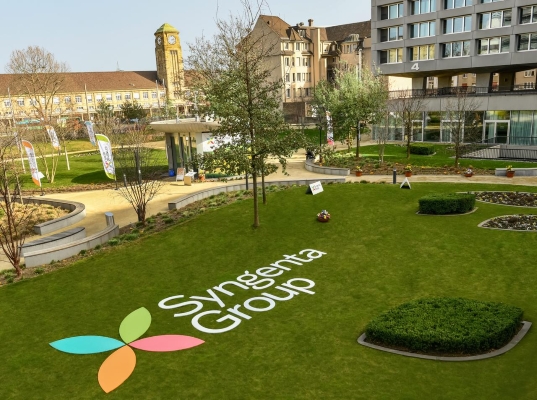
Syngenta Group, the world’s largest agricultural technology company by revenue, has reported its financial results for the first nine months (9M) and third quarter of 2026, delivering improved profit margins despite experiencing a dip in overall sales. The performance underscores the company’s deliberate, multi-year strategic shift toward active portfolio management and higher-quality earnings.
According to the official announcement published on October 30, 2026, the global agricultural leader registered group sales of $17.3 billion for the first nine months of the year, marking a 5% decline compared to the same period in 2025 (-8% at constant exchange rates, or CER). However, this reduction was largely driven by a planned, strategic exit from the grain trading business and other low-margin segments. When excluding these structural divestments, Syngenta Group’s underlying sales grew by 1%.
Earnings and Margin Expansion
Demonstrating resilient core profitability, the group’s 9M Earnings Before Interest, Taxes, Depreciation, and Amortization (EBITDA) reached $3.2 billion, a 1% year-on-year increase. Crucially, the group’s EBITDA margin expanded by 100 basis points, rising to 18.4% from 17.4% in the previous year. This margin growth highlights the success of the company's internal cost-mitigation measures, targeted operational adjustments, and digital leadership.
The group's performance was further supported by accelerating its innovation pipeline and leveraging artificial intelligence (AI) to optimize internal frameworks and external agronomic services.
Market Headwinds and Segment Highlights
The macroeconomic environment for agriculture remained highly competitive and volatile throughout the year. Farmers worldwide faced persistent pressure on incomes, resulting in highly cautious purchasing patterns. High fertilizer, fuel, and energy costs—exacerbated by geopolitical tensions—alongside elevated interest rates, prompted producers to delay spending on seeds and crop protection sprays.
Furthermore, adverse weather conditions took a toll on regional numbers. A severe, prolonged heatwave and drought across Europe restricted demand for conventional agricultural treatments. In Latin America, particularly Brazil, intense pricing pressure on off-patent, generic products negatively affected sales.
Despite these challenges, Syngenta’s specialized segments saw robust growth:
Syngenta Crop Protection: Maintained flat year-on-year sales at $9.8 billion, where robust growth across Europe and China effectively counterbalanced the contractions in Latin America.
Biologicals Portfolio: Maintained strong momentum, securing double-digit growth in Q3 2026 driven by surging market adoption in Brazil and China.
Innovative Technologies: Newly introduced proprietary technologies achieved premium pricing, demonstrating resilient demand for highly effective solutions.
Third Quarter Financials
For the third quarter of 2026 alone, sales dropped 10% year-on-year to $5.2 billion (-12% CER), influenced by delayed purchasing cycles and the deliberate exit from low-margin lines. Q3 EBITDA stood at $0.8 billion, representing a slight 2% decline compared to Q3 2025.
As the group charts its course through the remainder of the fiscal year, its emphasis remains firmly on generating high-margin revenue through next-generation agricultural solutions, robust cost control, and strategic portfolio focus.
Subscribe to our newsletter & stay updated.