Wevo unveils silicone sealant for AEM electrolysers and flow batteries
Designed for alkaline environments, the two-component material combines chemical resistance, mechanical stability and electrical insulation


For Prosperity Textile, the collaboration builds on 25 years of denim expertise and a manufacturing infrastructure
The award underscores Toyo Ink India’s push to reduce the environmental impact of packaging production through ink technologies
Symplast offers a diverse product portfolio serving the automotive, construction, consumer goods, and electronics industries
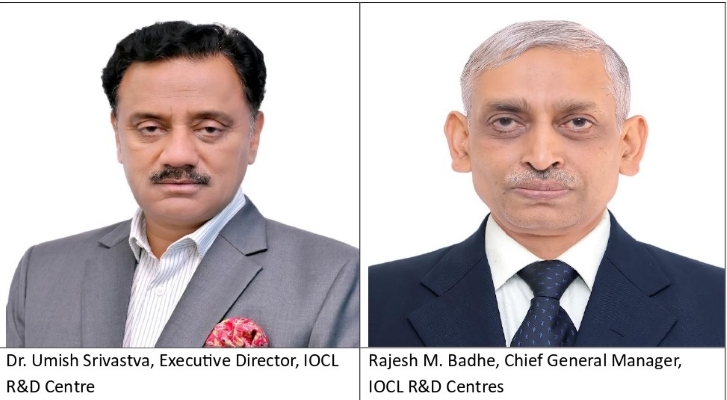
IndianOil’s hydrogen strategy is inherently collaborative, involving partnerships with engineering firms, academic institutions, automotive OEMs, and start-ups
Green hydrogen is still an evolving sector and will require strong, coordinated support across the ecosystem to become competitive at scale in India
Regulatory and commercial alignment crucial
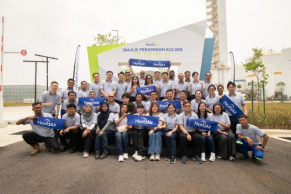
Established in 1951, the facility manufactures alkylphenols and phenolic resins used in a wide range of applications
The audit was conducted by Socotec Certification Japan
A unified lab ecosystem drives innovation across life and materials sciences through coordinated scientific workflows
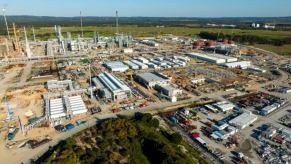
Construction is slated for completion by late 2028, with commercial demonstration operations scheduled to begin in 2030 following commissioning
David Bradley departs following successful tenure
Symrise invests €1.7 million in the skilled professionals of tomorrow
Establishing new production capacity for semiconductor materials supporting chip technologies below 2 nanometers
Richard Ridinger succeeds Thomas Leysen, who has retired from the Board
The Board rejected the slightly improved offer, ruling it too low to capture the true value of the BAS business
India generates approximately 35 million tonnes of urea each year, with ammonia production responsible for nearly 60% of the fertilizer sector's total emissions. Transitioning to green ammonia production could eliminate more than 30 million tonnes of CO₂ annually
Green hydrogen and its derivatives represent a rare opportunity for India to shift from being a net importer of energy molecules to a competitive exporter of clean ones
Green hydrogen currently represents a very small fraction of global hydrogen production, largely due to cost and infrastructure barriers. Bridging this gap is both a technological and policy challenge
The Council launched UK-India Technology Translation Partnerships with the Office of the Principal Scientific Adviser to the Government of India

Subscribe to our newsletter & stay updated.