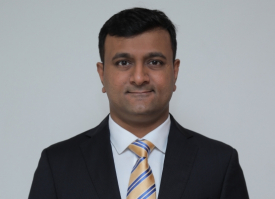
We are evaluating hydrogen and LNG -based logistics solutions to progressively lower emissions and enhance environmental performance

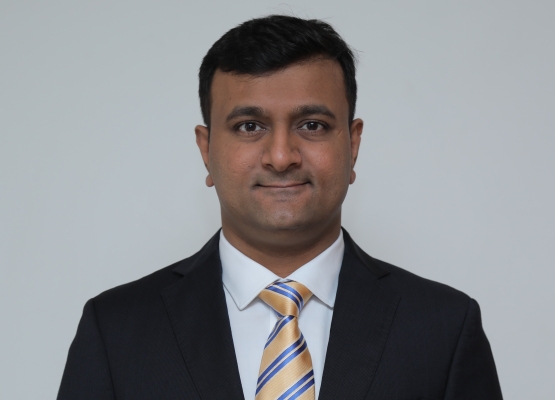
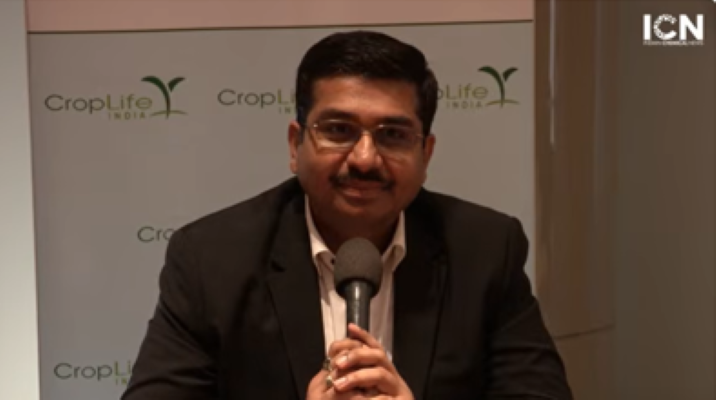
Nitin Chabria, Managing Director, Mysore Ammonia and Chemicals
Performance of Mysore Ammonia and Chemicals Ltd. (MACL) in FY 2025–26 and your expectation from FY 2026–27?
FY 2025–26 was a challenging year for chemical and pharmaceutical sectors across Asia as slowdown impacted industry growth and margins. MACL has a diversified presence across industries and geographies so it strengthened its market position. The company achieved growth in geographical reach and business volumes while continuing to focus on reliability, quality, and long-term customer partnerships. For FY 2026–27, we remain optimistic, supported by a recovery in industrial demand, expansion into new markets, and increasing opportunities in specialized Ammonia applications.
With a solid footprint across India, the Middle East, Southeast Asia, Australia, and Africa, what unique supply-chain strategies have you deployed to maintain reliability across diverse regions?
Our strength lies in specialized supply chain capabilities for hazardous products. We have been among the industry's early adopters of advanced export packaging solutions, including specialized ISO containers for Ammonia transportation. Supported by trained in-house domain experts, we ensure safe handling, regulatory compliance, and timely deliveries across global markets. Our emphasis on reliability and just-in-time supply enables us to consistently meet customer requirements worldwide.
The company recently focused on shifting towards production of ultra-high purity ammonia. What industries are driving this demand and how does this change your production landscape?
The demand for ultra-high-purity ammonia is being driven by high-growth sectors such as semiconductors, solar wafers, electronics, pharmaceuticals, and advanced manufacturing. With India’s growing emphasis on Make in India and reducing import dependence, we are investing and replacing imported products that meet stringent global quality standards and support country’s strategic manufacturing ambitions.
Recently, Mysore Ammonia Envirotech secured an official Indian patent for a PLC-based Automatic Ammonia Dilution Plant. How does this automation design impact technical safety and precision across the sector?
Safety remains the cornerstone of ammonia handling. Our patented PLC-based Automatic Ammonia Dilution Plant significantly reduces manual intervention while ensuring precise process control. This innovation enhances operational safety, improves product consistency, and minimizes risks associated with manual handling, delivering a more reliable and efficient solution for the industry.
Ammonia handling demands extreme technical precision. What in-house laboratory testing practices ensures rigorous quality control required for international compliance?
Quality assurance is central to our operations. We are investing in an advanced exclusive laboratory for Ammonia testing designed to meet international standards and first of its kind. In addition, all our manufacturing facilities are equipped with comprehensive testing capabilities to monitor purity, concentration, moisture, and other critical parameters, ensuring consistent quality and regulatory compliance.
Mysore Ammonia is expanding its capabilities through technology initiatives and strategic investments. Could you share company’s focus areas and future plans?
Our strategic priorities include expanding our global footprint. The company is focused on its geographical reach at present in addition to adding different grades of our product hitherto imported in India. We are actively evaluating international opportunities, including establishment of three global manufacturing facilities while continuing to enhance domestic operations and develop innovative applications through technology partnerships.
As global pressure mounts on chemical companies to achieve net-zero goals, how is Mysore Ammonia adapting its core logistics and massive tanker fleet to lower carbon emissions?
Sustainability is an integral part of our long-term business strategy. As a group, we have adopted circular economy principles and operate as a zero-discharge organization. We are also evaluating cleaner energy alternatives, including hydrogen and LNG-based logistics solutions, subject to regulatory approvals, to progressively reduce emissions and enhance environmental performance.
Your logistics framework manages everything from 50 kg cylinders to massive 22-tonne ISO tankers. How do you navigate strict statutory and hazardous materials transport laws while avoiding distribution bottlenecks?
Our logistics operations are managed by a highly experienced team specializing in hazardous chemical transportation. Safety, compliance, and continuous training form the foundation of our distribution framework. Our extensive expertise in ammonia logistics enables us to ensure efficient product movement, maintain regulatory compliance, and provide uninterrupted supply to customers.
Many industrial clients maintain limited storage capacities for hazardous raw materials. How does your just-in-time logistics infrastructure provide a safety net for client continuity?
Due to the hazardous nature of ammonia and the storage constraints faced by many customers, a robust just-in-time supply model is essential. Supported by our extensive fleet, storage infrastructure, trained personnel, and automated inventory management systems, we ensure timely deliveries and operational continuity for our customers.
How is Mysore Ammonia insulating its bottom line against volatile global commodity prices?
Our diversified customer base across multiple industries helps mitigate the impact of market fluctuations. By avoiding overdependence on any single sector and fostering long-term customer relationships, we maintain stability even during periods of commodity price volatility. Strategic sourcing and operational discipline further support our resilience and sustainable growth.
Beyond commercial success, you recently set up a digital training facility honoring your company's founders. How do you bridge the gap between industrial operations and CSR initiatives?
We strongly believe that business success should be accompanied by meaningful social impact. Our CSR initiatives focuses on empowering rural youth through digital education, skill development, and training programs. By creating access to knowledge and opportunities, we aim to contribute to the development of a skilled workforce that can support India’s future growth.
With the government prioritizing Make in India, what policy frameworks or infrastructure improvements does the Indian chemical sector still need?
The Indian chemical industry would benefit from stronger collaboration between industry and academia, advanced incubation centres, specialized skill-development programs, and integrated industrial infrastructure. Additionally, the development of sustainability-focused Industrial parks and circular economy ecosystems can significantly enhance India’s global competitiveness.
As the company launches into its next phase of growth, what major milestone or market footprint do you hope to achieve over the next five years?
Over the next five years, we aim to establish a presence in three additional international geographies and introduce three new specialized grades of our product to serve emerging industries. Our vision is to further strengthen our position in market through innovation, quality excellence, and technological advancement, diversification into new products and markets, and sustainable growth.
Subscribe to our newsletter & stay updated.


,_Aditya_A__Shriram_(President).JPG)