With an investment of nearly €150 million, this new unit represents one of Arkema’s largest industrial projects in France
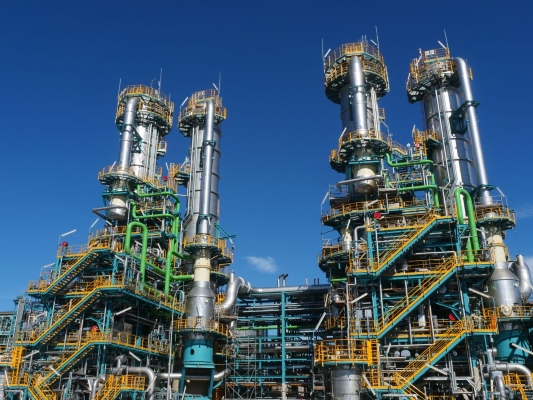
Arkema has launched an innovative acrylic acid purification unit at its Carling facility in France. This strategic investment establishes the Group as one of Europe’s most competitive chemical producers while actively advancing the industry’s shift toward decarbonization. The new unit aligns with Arkema's broader climate program and underscores its commitment to ambitious sustainability goals.
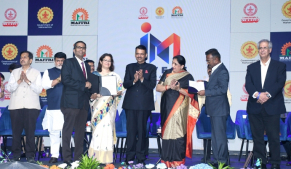
The opening ceremony for the new unit was attended by Arkema Chairman and CEO Thierry Le Hénaff alongside Stéphane Séjourné, Executive Vice President of the European Commission for Prosperity and Industrial Strategy.
“With an investment of nearly €150 million, this new unit represents one of Arkema’s largest industrial projects in France. It will contribute to the Group’s ambitious climate plan, underpinned by a dedicated investment program supporting Arkema’s decarbonization, with a cumulative amount that could reach €400 million over the 2022-2030 period,” said Thierry Le Hénaff, Chairman and Chief Executive Officer of Arkema.
“Europe must keep its chemical industry. There can be neither industrial sovereignty nor strategic autonomy if we allow the essential building blocks of our economy to leave. Carling is showing the way forward: nearly €150 million invested to produce in Europe, using less energy and generating less carbon, while building on decades of industrial know-how. This is exactly the model we want to promote: decarbonizing without deindustrializing, investing in our regions, and making our industrial hubs the driving forces of our future,” Stéphane Séjourné, Executive Vice-President of the European Commission for Prosperity and Industrial Strategy.
The Carling site is a premier European producer of acrylic monomers for performance coatings, adhesives, and water treatment. The facility's newly inaugurated purification unit cuts energy consumption in the purification process by 25% and lowers site carbon intensity by 20%. This upgraded technology also minimizes solvent use and optimizes overall resource and waste management.
This project has been decided in 2023 and has been partly funded by the French State as part of the France 2030 program, operated by ADEME, and funded by the European Union – NextGenerationEU.
Subscribe to our newsletter & stay updated.