Yara International has reported lower earnings for the third quarter of 2026 as rising European gas prices, production reliability issues and sluggish global fertiliser demand weighed on performance, even as stronger commercial activity helped cushion the impact.
The Norwegian fertiliser producer posted EBITDA excluding special items of US$ 675 million for the quarter, down from US$ 804 million in the same period last year. Net income fell to US$ 199 million from US$ 320 million a year earlier.
Yara reported a return on invested capital (ROIC) of 13.5%, pointing to improved underlying profitability despite mounting market pressures.
“We delivered a solid third-quarter result despite continued market volatility. Strong commercial performance helped offset accelerating European gas costs while plant-specific reliability issues affected production volumes.
"Yara’s energy flexibility has been a key strength and will remain even more so, with the acquisition of Gulf Coast Ammonia significantly reducing our European energy exposure upon closing. We remain on track to deliver our EBITDA improvement target, and the increase in return on invested capital reflects stronger underlying profitability,” said Svein Tore Holsether, President and Chief Executive Officer.
Nitrogen markets got off to a slow start to the new season, with uncertainty surrounding the Middle East conflict prompting buyers to take a cautious approach. Demand for the 2027 season remained subdued across key markets during the third quarter, with imports and deliveries in Europe, the US and Latin America trailing year-earlier levels.
Buying activity in Europe picked up towards the end of the quarter, leaving Yara with a European order book stronger than normal for this time of year. However, a substantial volume of seasonal purchasing remains outstanding as the Northern Hemisphere growing season approaches.
The timing is significant, with the Chinese export window closing and the market preparing for its first full season with reduced supply from the Middle East. Higher crop prices have also improved farmers’ ability to afford fertiliser compared with last season.
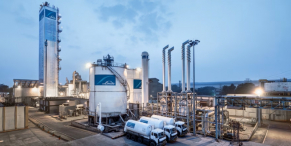
Elevated European gas prices continued to squeeze margins, forcing Yara to actively manage production across its European operations. The company adjusted output and product flows, drawing on its global manufacturing network and supply chain flexibility to limit exposure to high energy costs while maintaining customer supplies.
Plant-specific reliability problems also constrained production volumes, adding to the challenges facing the company during the quarter.
Yara said it remains focused on cost control, improving plant reliability and accelerating earnings improvements. The planned acquisition of Gulf Coast Ammonia is expected to diversify its gas supply exposure and reduce its dependence on European energy markets once the deal closes.
Yara is banking on its global production network, premium product portfolio and tighter capital discipline to strengthen competitiveness and improve returns as the fertiliser market navigates continued volatility.
“In volatile markets, diversification and flexibility are critical to food security and industrial resilience. We are strengthening Yara’s competitiveness through disciplined EBITDA improvement measures, strict capital discipline and by addressing recent reliability setbacks.
"Our premium portfolio, global production network and ability to optimize across products, assets and regions make Yara more resilient, further strengthened by our investment in the US. Combined, these actions will support higher base returns and sustainable shareholder value,” said Holsether.
The company said it remains on track to meet its EBITDA improvement target, with operational efficiency, energy flexibility and its US investment expected to play a central role in strengthening profitability and shareholder returns.