The project targets a processing capacity of 40,000 metric tons of black mass and 20,000 tons of refined salts
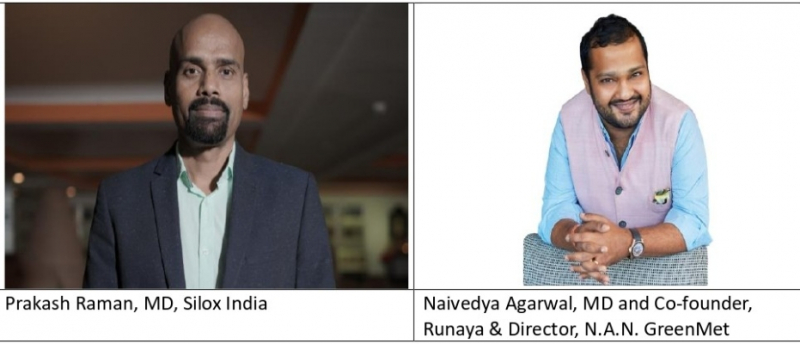
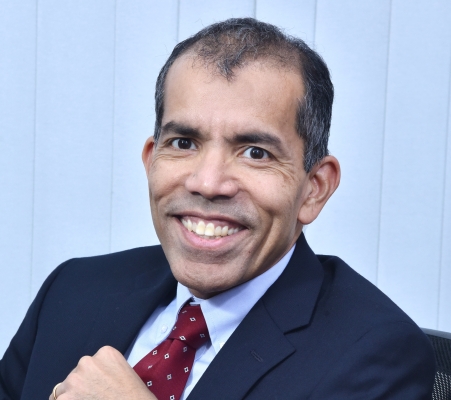
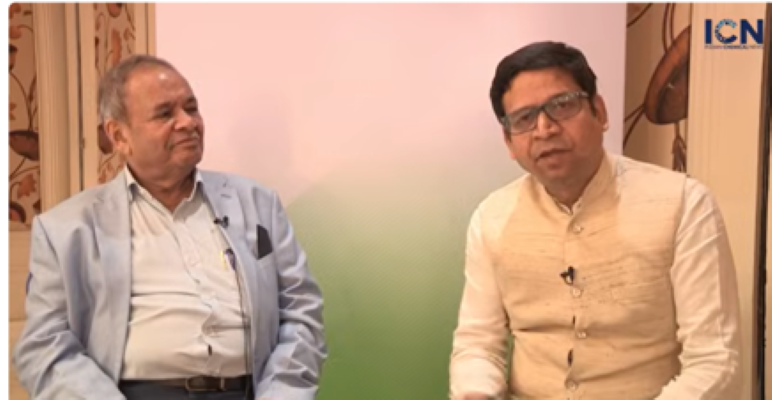
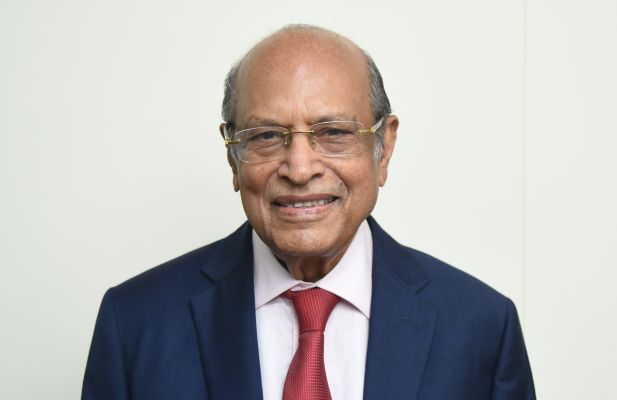
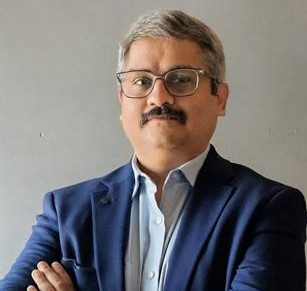
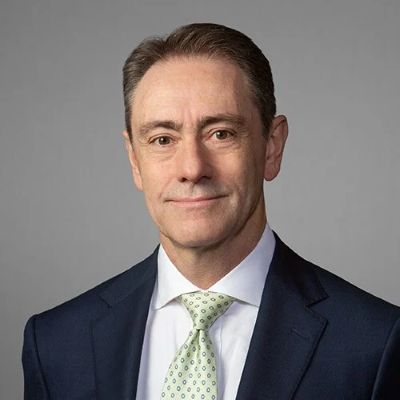
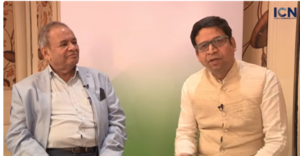
Indian Chemical News recently interviewed Silox India Managing Director Prakash Raman and Runaya MD and N.A.N. GreenMet Director Naivedya Agarwal regarding their new joint venture, N.A.N. Silox GreenMet Private Limited. The discussion outlines corporate roles, plant specifications, operational timelines, and raw material recovery strategies in Andhra Pradesh. Excerpt of the interview:
What is the purpose of this 50:50 JV company called N.A.N. Silox GreenMet Private Limited?
This joint venture combines Silox’s advanced hydrometallurgical downstream processing capabilities with N.A.N. Partners’ robust project execution and deep institutional relationships in India. Together, the partners aim to systematically scale and transform the Indian lithium-ion battery recycling sector. The venture will produce battery-grade metals, metal salts, precursor cathode active materials (PCAM), and cathode active materials (CAM). To match evolving industry demand, production will scale across two phases toward an ultimate target capacity of 40,000 tons of input battery feed and 20,000 tons of hydrometallurgical processing.
What's the role of Silox Group and N.A.N. GreenMet in this JV?
This venture is a strategic joint venture that merges two complementary forces. Silox Group contributes over 40 years of expertise in hydrometallurgy and pyrometallurgy—the core technologies driving this project. Meanwhile, NAN GreenMet brings vital local experience in project development, execution, and stakeholder management within India. Together, these combined strengths will establish the country's most advanced Lithium-ion battery recycling facility.
The project targets a processing capacity of 40,000 metric tons of black mass and 20,000 tons of refined salts. Both partners have already secured the capital required for Phases 1 and 2, and remain fully committed to funding the venture through to its maximum capacity.
Where are you planning to build the facility and the reason for choosing Andhra Pradesh?
Our new manufacturing facility will be strategically located in Naidupeta, Andhra Pradesh, positioned just 45 minutes from Tirupati and 2 to 2.5 hours from Chennai. We selected this location for two primary reasons: its excellent supply chain proximity to key markets and customers, and a highly competitive incentive package provided by the Andhra Pradesh government. Furthermore, the project has secured vital federal backing through the central government’s critical mineral investment policy.
Area of the plant and when will it start commercial operation?
Spanning 20 to 25 acres, our new plant is strategically sized to support both immediate needs and long-term future growth. We target commercialization within the next 18 months, at which point Phase 1 and Phase 2 will become fully operational, setting the stage for future phases. Together, these initial phases will bring massive processing power online: both Phase 1 and Phase 2 are individually equipped to manage 20,000 tons of imported raw materials alongside 10,000 tons of hydrometallurgical processing.
If you can explain in detail about the incentive that you would be getting from the central government and also from Andhra Pradesh government?
I think at this point, we don't want to talk about the detailed incentives. It's just that, we have been given an attractive subsidy from both the state and central governments.
Are you planning to procure end-of-life battery from within India or outside India and total annual intake of the plant?
Silox brings extensive expertise to the joint venture, particularly in the critical mineral recycling sector. By leveraging our established international network, we possess deep insights into global producers and available material streams. While the venture ultimately aims to maximize domestic sourcing, the Indian market remains nascent and evolving. Consequently, our initial strategy combines both global and local procurement. As the Indian market matures, we expect to source the majority of the plant's raw materials domestically. Our finished products will serve a balanced mix of local Indian markets and our established global clientele.
What will be the total annual intake for your plant?
We are expected to process most in the phase one, i.e. almost 20,000 tons of the beneficiation which will translate to close to almost 10,000 tons of black mass processing.
Technology that you are planning to offer lithium-ion battery recycling?
Predominantly it's going to be the hydrometallurgy process which is a proprietary process developed by Silox. This technology will be tested and maybe piloted in India specific environment in addition to the global requirements.
How are you planning to procure waste within India or outside India for critical minerals recovery platform? And what would be the total annual intake of this plant?
While our primary focus is on lithium-ion batteries, we leverage Silox’s four decades of global expertise to source diverse material streams worldwide. This new joint venture aims to expand our procurement reach across India. In its first phase, the project is projected to collect nearly 20,000 tons of material for beneficiation.
And what kind of materials are you planning to collect for this recycling platform?
Our main focus is on lithium-ion battery technologies like NMP and LFP. We also collect precious metal streams from other sources, building on the global experience Silox has developed over many years. Our team excels at converting these materials into valuable black mass. Because we work with a diverse mix of clients, we can easily customize our final products to match exactly what each customer needs.
Are you focusing on hydro metallurgy technology or something different?
No, it's predominantly hydro metallurgy. Hydro metallurgy is the heart of the process. But obviously, when you want to convert into crystals, we'll be using again another proprietary technology but the core technology is going to be hydro metallurgy.
Any working model that you are planning to follow for lithium-ion battery recycling and critical minerals recovery platform?
While our primary focus begins with lithium-ion batteries, our core strength lies in the advanced technology we bring to the market. Our facility utilizes a highly customized, selective process designed to maximize the production of ultra-high-purity battery-grade salts. Beyond chemical production, we are strategically exploring complementary sectors, including second-life battery applications. Furthermore, our plant features a highly adaptable technology infrastructure, allowing us to seamlessly process diverse material streams based on evolving market and client requirements.
What all products are you planning to recover from the battery recycling?
As far as the NMC is concerned, it's going to be nickel, manganese and cobalt salts. So we have battery grade material, lithium salts, cobalt salts, nickel salts, manganese salts and precursor to cathodic material and cathodic material. This will be predominant products.
And you are saying that by December of 2027, this plant will be ready?
The plant will be ready by December 2027.
Anything you would like to add from your side?
This manufacturing plant operates on a zero-waste, entirely closed-loop process where every byproduct is captured and sold, eliminating system leakage. Powered by 100% green energy, the facility exemplifies a highly efficient, environmentally sustainable operation. This initiative directly aligns with India's national vision for a robust circular economy while advancing the "Make in India" mission to serve both domestic and global markets.
Subscribe to our newsletter & stay updated.