BASF Beauty Care Solutions (BCS) has achieved the first major milestone in its Responsibly Active sustainability program, delivering significant environmental gains across its cosmetic bioactives operations while advancing toward its 2030 ambitions.
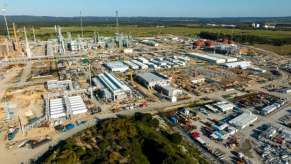
The company announced that it has exceeded its 2025 sustainability targets at its Pulnoy, France production site — the central hub for its cosmetic bioactives business — achieving major reductions in resource use and operational impact.
Compared with 2016 levels, BASF has reduced water consumption by 48% per ton of product and cut waste generation by 44% per ton of product. Energy consumption has also fallen by 24% per ton of product, reflecting continued improvements in production efficiency and sustainable operations.
BASF Beauty Care Solutions said the progress marks a key step in its long-term commitment to reducing its environmental footprint while strengthening responsible sourcing and supply chain resilience.
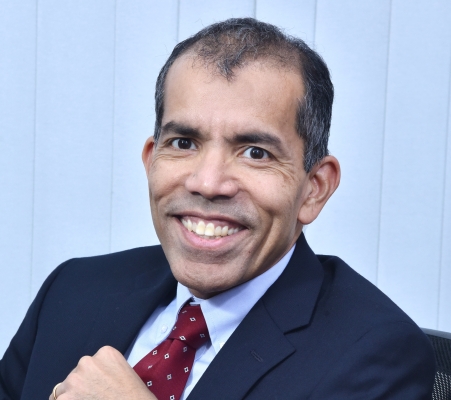
"With Responsibly Active, we embed sustainability into how we innovate and source our ingredients. Reaching this first milestone shows what is possible when clear ambitions are combined with consistent action,” said Lucilene Veira Nunes, Global Business Management, BASF Beauty Care Solutions.
“At the same time, true progress also means being transparent about challenges. Despite extensive efforts, we were not able to meet our recyclable packaging target without compromising on safety and logistics. This is why we have made the conscious decision to concentrate on areas where we can drive meaningful impact, strengthening our focus on what comes next.”
Following the achievement of its 2025 targets, BASF Beauty Care Solutions is now focused on accelerating progress toward its 2030 sustainability goals — protecting natural resources, supporting communities across the bioactives value chain, and improving supply chain reliability.
The company has already achieved its target for raw materials that are biobased or derived from abundant minerals, reaching 95%. Meanwhile, organically certified botanical supply chains have grown to 42%, moving closer to the 2030 goal of 50%.
Beyond environmental improvements, BASF is also expanding initiatives aimed at strengthening diversity, equity, and inclusion across botanical supply chains.