Shell, Schneider Electric and Axens have installed an industrial-scale electric tubular heater at Shell’s Energy and Chemicals Park Rheinland in Germany, a major step toward electrifying energy-intensive refinery processes and cutting industrial emissions.
The heater has been installed as part of Shell’s R3 base oil project at the Rheinland site and is designed to replace conventional fired heating with an electric alternative capable of operating with zero direct CO₂ and NOx emissions.
The companies said the installation is the first of its kind at industrial scale in Europe, highlighting the potential for electrification to play a larger role in decarbonizing complex refinery and chemical operations.
The project combines Shell’s industrial and operational expertise with Axens’ process technology and electric-heating capabilities and Schneider Electric’s expertise in electrification, power distribution and control systems.
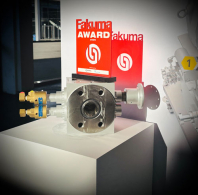
At the center of the project is Axens’ Heurtey Petrochem Solutions Electric Tubular Radiant Heater, developed as a low-carbon alternative to conventional fired heaters while meeting the demanding requirements of base-oil distillation.
Schneider Electric supplied a modular, prefabricated power package incorporating electrical distribution switchgear, transformers and a power-control system linked to Axens’ process-control system. The package has been integrated into Shell’s existing site infrastructure to support safe, reliable and optimized operation.
The companies said the integrated power-and-process approach enables rapid and precise power modulation, more finely controlled heating and high operational flexibility while meeting Shell’s power-quality and design requirements.
The deployment comes as Shell advances a broader transformation of Rheinland, seeking to reduce the site’s carbon footprint while shifting parts of its operations toward lower-carbon energy and products.
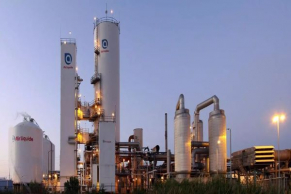
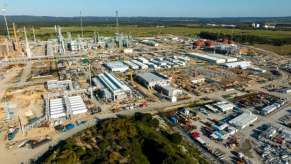
The Rheinland complex, comprising the Cologne-Godorf and Wesseling sites, employs around 1,400 Shell workers alongside personnel from partner companies. The site produces transportation and heating fuels, including diesel, gasoline, jet fuel and heating oil, as well as products for the chemical industry.
Shell is also pursuing several energy-transition projects at Rheinland, including renewable-electricity-based hydrogen production, a bio-LNG facility for lower-carbon truck fuel.