Group Sales reached €16.4 billion, jumping 14% from the €14.3 billion recorded in the same period last year. This outpaced the €15.67 billion projected by analysts
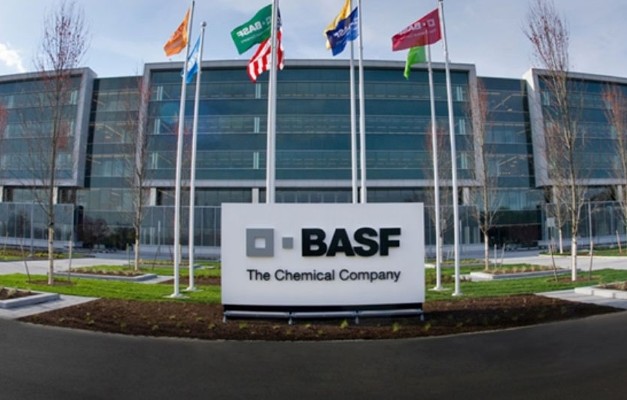
German chemicals giant BASF SE raised its full-year 2026 outlook for the second time this year following a strong third-quarter performance. The upward revision comes on the back of surging market prices and resilient transaction volumes that successfully shielded Europe's largest chemical manufacturer from intense global competition, particularly out of China.
The Upgraded 2026 Projections
Following the quarterly earnings beat, the Ludwigshafen-based company raised its full-year forecast for adjusted EBITDA (before special items) to a narrower, higher range of €7.4 billion to €7.8 billion ($8.2 billion to $8.7 billion). This marks a solid jump from the previously targeted range of €6.9 billion to €7.7 billion announced in July. The midpoint of the new forecast, €7.6 billion, aligns precisely with the expectations of market analysts.
Third-Quarter Financial Performance
BASF’s performance during the third quarter comfortably outpaced consensus forecasts, driven by solid fundamentals across almost all segments:
• Group Sales: Reached €16.4 billion, jumping 14% from the €14.3 billion recorded in the same period last year. This outpaced the €15.67 billion projected by analysts.
• Adjusted EBITDA: Climbed 15% year-on-year to €1.64 billion, beating the analyst consensus of €1.50 billion by approximately 10%.
• Commercial Drivers: The revenue surge was heavily propelled by a 12% increase in prices, further supported by a 2% expansion in volumes.
Geopolitical Shift and Strategic Rebalancing
The unexpected boost to BASF’s bottom line was partially catalyzed by macroeconomic disruptions in global supply chains. Specifically, the closure of the Strait of Hormuz created extensive supply disruptions for Middle Eastern chemical producers. This friction unexpectedly turned into a boon for European suppliers, forcing local industrial buyers to source domestic materials and driving a massive wave of regional demand toward BASF. This localized demand surge helped the company offset highly volatile European energy costs.
While core business units thrived, the performance across the company was not entirely uniform. The Agricultural Solutions segment experienced a sharp 20% year-on-year sales decline, acting as the primary drag on the quarterly results. However, this weakness is being met with structural changes, as BASF progresses with strategic corporate restructuring, including a planned Frankfurt listing for the agricultural division by mid-2027. Concurrently, the group is looking toward external growth, aggressively pursuing a takeover of rival Evonik Industries AG with an increased bid exceeding €11 billion.
Subscribe to our newsletter & stay updated.