Sustainability
Epsilon Carbon achieves 100% industrial waste diversion as it cuts emissions by 723 tonnes
The achievement translates into the annual carbon absorption capacity of approximately 28,929 trees
-
By ICN Bureau | November 19, 2026
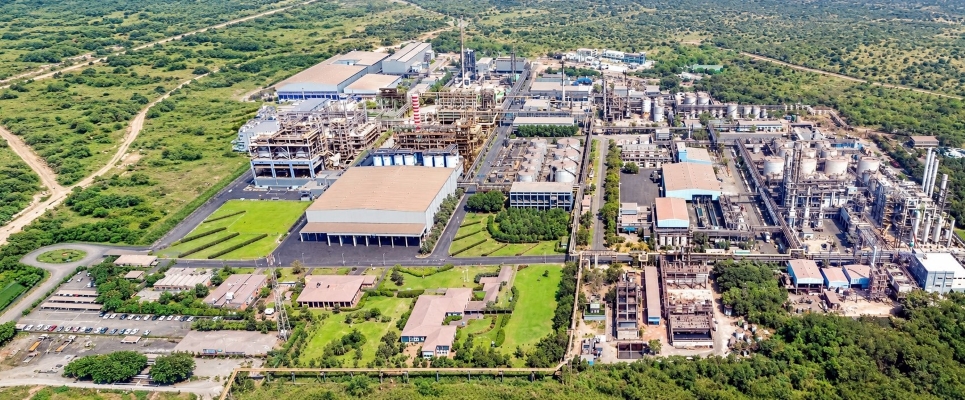
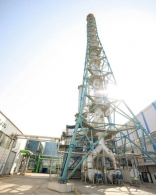
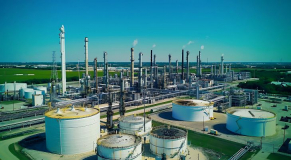
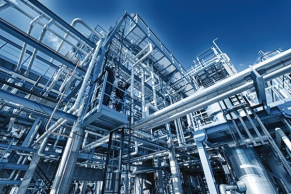
Fully backward integrated carbon complex, Epsilon Vijayanagar facility, Karnataka
Epsilon Carbon has achieved a major sustainability milestone, diverting 100% of its industrial waste from landfills during FY 2025–26 and preventing greenhouse gas emissions equivalent to 723.23 tonnes of CO₂.
The achievement translates into the annual carbon absorption capacity of approximately 28,929 trees, underscoring the company's efforts to reduce its environmental footprint through sustainable waste management and resource recovery.
Rather than sending industrial waste to landfills, Epsilon Carbon is channelling it into productive applications through alternative waste management pathways, including co-processing in the cement industry and recycling through authorised facilities. These practices enable the recovery and reuse of materials, reduce landfill dependency and strengthen resource circularity across the industrial ecosystem.
Commenting on the achievement, Vikram Handa, Managing Director, Epsilon Carbon, said, “Sustainability in manufacturing is about making responsible choices across everyday operations and ensuring that resources are used more effectively. Our progress on waste diversion reflects the importance of looking beyond conventional disposal and finding productive pathways to recover, reduce & recover.
"We believe that such operational improvements, when pursued consistently, can contribute to meaningful decarbonisation in any industry.”
The milestone builds on Epsilon Carbon's broader sustainability agenda, which encompasses energy circularity, resource efficiency and responsible manufacturing. The company aims to further strengthen its waste recovery mechanisms and monitor their environmental impact in subsequent reporting periods.
With 100% landfill diversion now achieved, Epsilon Carbon is reinforcing its focus on circular manufacturing, demonstrating how operational changes can deliver measurable environmental gains while advancing the industry's transition towards more sustainable practices.