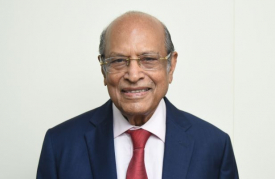
Affordability, infrastructure and energy addition central to a pragmatic global transition
A high-level Leadership Panel on the inaugural day of India Energy Week 2026 brought together global energy leaders to examine the evolving role of natural gas and LNG in strengthening energy resilience, supporting economic growth and enabling a realistic and inclusive energy transition amid geopolitical uncertainty.
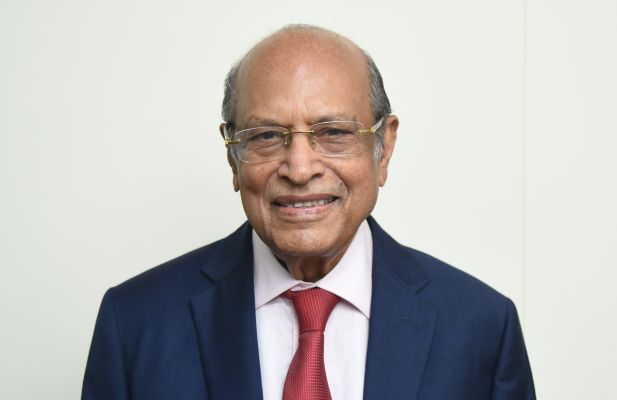
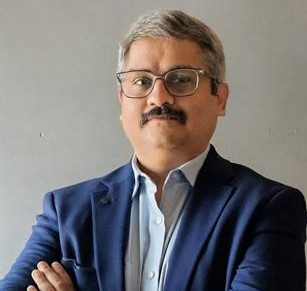
The panel, titled “Repositioning Natural Gas and Energy Transformation: Pragmatic Bridging Resource to Pivotal Destination Fuel,” featured Arvinder Singh Sahney, Chairman, IndianOil Corporation Limited, Sandeep Kumar Gupta, Chairman & Managing Director, GAIL (India) Limited, Fatema Al Nuaimi, CEO, ADNOC Gas, and Steven Kobos, President & CEO, Excelerate Energy.
Panelists underscored that natural gas and LNG are increasingly emerging as long-term, foundational components of modern energy systems. With global gas demand projected to increase by 30–35% by 2050, the panel highlighted coal-to-gas switching as the most tangible near-term pathway to reduce emissions while preserving grid stability.
From India’s perspective, speakers noted the country’s rapidly expanding gas ecosystem, supported by growing domestic production, diversified LNG imports and continued investments in pipelines, terminals and city gas distribution. The panel earmarked natural gas for playing a critical role across fertilisers, transport fuels and urban energy access.
The discussion reinforced the view that the energy transition must be approached as energy addition rather than abrupt replacement, as highlighted by the Union Minister of Petroleum and Natural Gas earlier in the day. Properly abated gas-fired power generation, which is supported by efficiency improvements, methane mitigation and emerging carbon management technologies, was identified as an essential complement to renewables for providing flexibility, reliability and dispatchability in increasingly electrified systems.
The panel agreed that affordability of the fuel was a hurdle in its widespread adoption. Panelists stressed that natural gas and LNG must become more cost competitive not only to displace coal, but also to remain viable alongside renewables and alternative fuels.
The panel identified policy stability, supportive regulatory frameworks, access to long-term finance, reduced infrastructure costs and the development of a liquid and transparent global gas market key to accelerated uptake of natural gas. The panel also highlighted the importance of renewed upstream investment to address emerging global supply gaps.
Panelists also emphasised the importance of expanding LNG import capacity, regasification infrastructure, including floating storage and regasification units (FSRUs), pipelines and last-mile connectivity to ensure that increased global supply translates into accessible and affordable energy.
Subscribe to our newsletter & stay updated.