Seeks a five-year regulatory data protection in the regulatory framework, commits to introduce newer technology
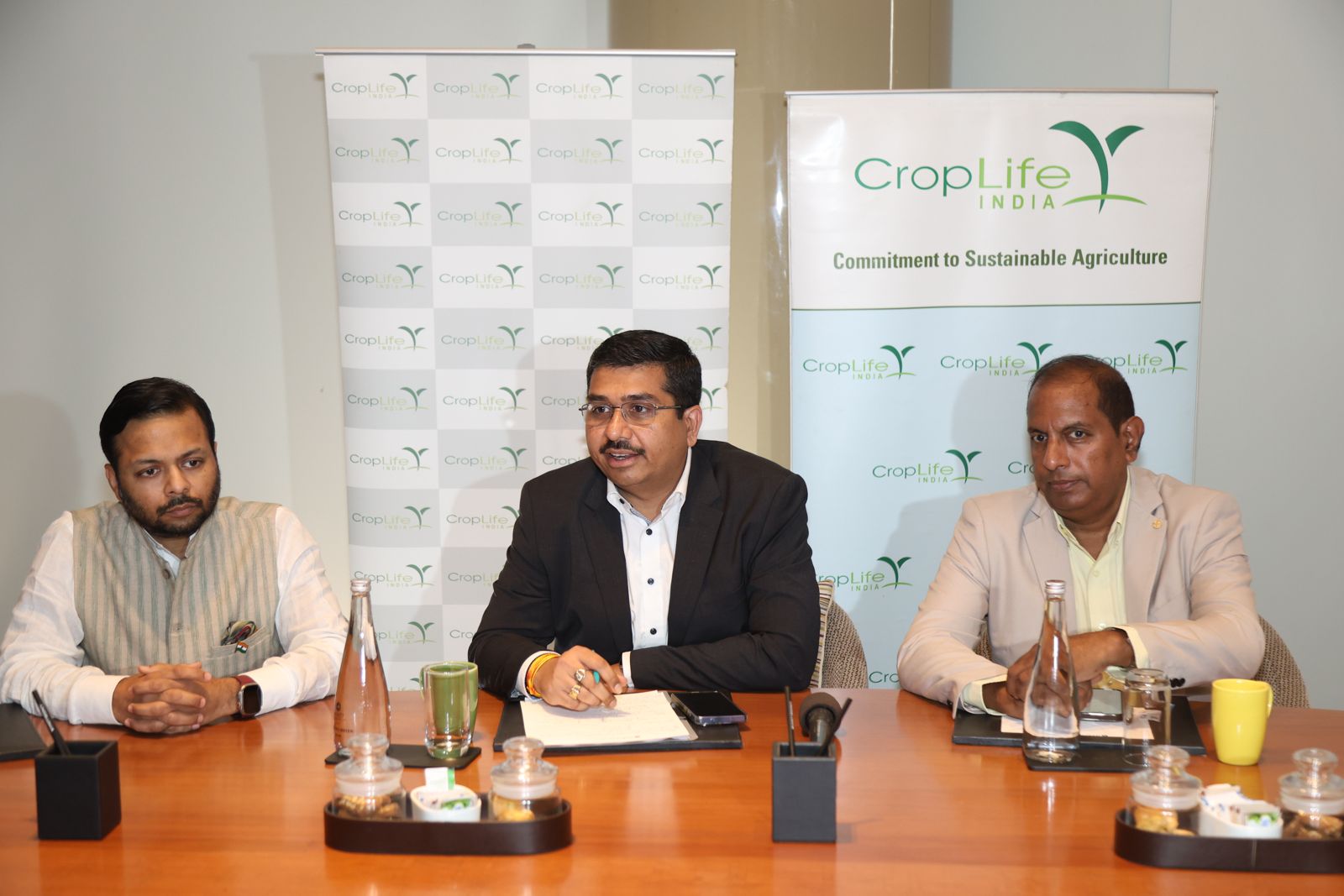
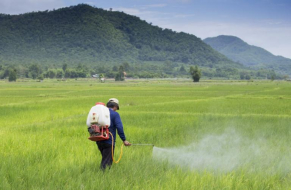
CropLife India, an association of 17 major crop protection firms, is urging the government to urgently address the limited selection of agricultural chemicals available to domestic farmers. Currently, Indian farmers can access only about 380 active ingredients, a stark contrast to the 1,200 active ingredients available to their counterparts globally.
Restricting existing crop protection tools without providing better alternatives creates a double whammy for farmers. CropLife India proposes a two-pronged approach to address the gap. Firstly, any restriction on existing molecules should be strictly based on established scientific literature, including contextual safety, health and efficacy data. It must equally examine the impact on the farmer.
Secondly, introduction of Regulatory Data Protection (RDP) for a period of five years in the regulatory framework, data that is required to be generated to register a new product in the country. This will improve and expand the choice basket for the farmer, incentivise investments for entry of safer and more efficient technology available to farmers globally. Protecting a company’s investment into this regulatory data, which includes studies on safety, health and efficacy data in Indian conditions, will incentivise faster introduction of innovations.
Without this regulatory safeguard, farmers are cut off from cutting-edge technologies, while industry competitiveness stalls over fears of intellectual property theft. Implementing this protection would align the nation with global regulatory standards. For context, China, Indonesia, and Malaysia offer up to 6 years of data protection, while Australia, Taiwan, and the Philippines grant up to 8 years. Leading markets like the United States, the European Union, Canada, Thailand, Brazil, and Colombia provide the strongest safeguards at up to 10 years.
“Factors such as El Nino, and climate change are making pest pressures even more dynamic and troublesome for farmers. Therefore, there is a pressing need to install a robust framework that allows entry of better science, innovation and technology backed products, which can help farmers to address these evolving pest dynamics,” said Rahul Dhanuka, Managing Director, Dhanuka Agritech Ltd. “RDP will optimise the current registration process, allow entry of better technology and result in evidence-based based phasing out,” he added.
“A time-bound RDP regime has globally proven to foster innovation and fair competition. The EU, for instance, provides up to 13 years of protection just to incentivise registration of green molecules. Indian can benefit from harmonising its own framework with best global practice, expand the choice basket for the farmer, reduce reliance on a narrow set of options. It will also help the Indian crop protection industry to move up the global value chain,” said Mohan Babu Boppana, Vice Chairman of CropLife India and COO of Bayer CropScience Ltd.
“RDP will be a win-win for farmers that get better solutions, for the government as it helps the country to produce more food safely, and the industry as it gets incentivised to constantly bring new technology for the farmer.”
“New molecules, including green molecules that the industry can bring, are more selective in action, they protect unintended damage to flora and fauna, require much lower doses of application. Therefore, they would be more economical for the farmer and much safer for the environment”, he further mentioned.
Indian farmer loses about 10-35% of crop annually due to pests and diseases, which amounts to about Rs. 2 lakh crore annually.
“There is a need for a holistic framework to refresh and expand the crop protection solutions available to Indian farmers, backed by robust, science-based regulatory guardrails. A time-bound Regulatory Data Protection framework can help incentivise the introduction of newer and improved technologies, enabling farmers to better protect their crops from pest-related losses, strengthen farm productivity and incomes, and contribute to India’s Viksit Bharat 2047 ambitions,” said Giridhar Ranuva, Business Director, BASF Agricultural Solutions, India.
RDP has become even more necessitated with regulations in high-value markets, such as the EU, becoming more stringent, especially the Maximal Residual Limits applied to various existing crop protection molecules. Access to better technology may ensure that farmers and exporters are equipped to meet such stringent export requirements in high value markets.
The industry body also urges for regulation of sales of crop protection products on e-commerce platforms, including imposition of licensing obligations and digital traceability to prevent sale of unauthorised products through such channels.
Subscribe to our newsletter & stay updated.