Tronox Holdings and Japan’s JX Advanced Metals Corporation have signed a cooperation and investment agreement to jointly advance rare earth and critical minerals projects in Australia and the United States.
This, targeting rising demand from semiconductors, advanced electronics, robotics, automotive and defense industries.
Under the agreement, the companies will split roughly $32 million in funding to finance feasibility studies for a proposed rare earth cracking and leaching plant in Western Australia, a rare earth oxide refinery in the United States and a US-based pilot facility designed to produce initial volumes of high-purity rare earth oxides.
The partnership marks a significant step in Tronox’s push to build a vertically integrated rare earth supply chain and develop additional critical minerals, including niobium, scandium, zirconium and hafnium.
The proposed cracking plant would be located in Western Australia’s Rockingham Industrial Zone, about three kilometers south of Tronox’s existing Kwinana titanium dioxide pigment facility. The location would allow the project to tap into Tronox’s existing infrastructure and services. Tronox employs more than 1,200 people across its Australian operations.
The proposed US refinery would be built on Tronox-owned land next to its Hamilton, Mississippi pigment plant, which employs more than 400 people. Tronox said the site offers access to low-cost power, utilities, reagents and existing infrastructure, potentially giving the refinery a cost advantage over greenfield projects.
Together, the Australian and US facilities are currently envisioned as having the capacity to produce up to 10,000 tonnes a year of total rare earth oxides.
Tronox said its mineral resources contain a mix of light and heavy rare earth elements, including neodymium, praseodymium, dysprosium, terbium, samarium, gadolinium and yttrium.
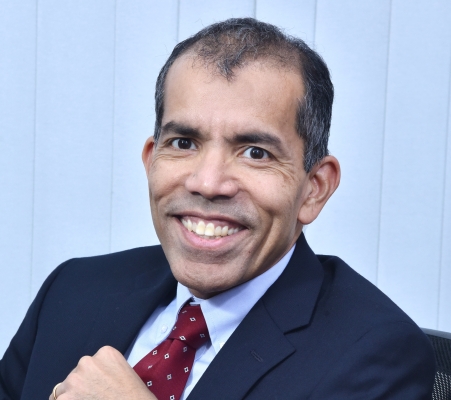
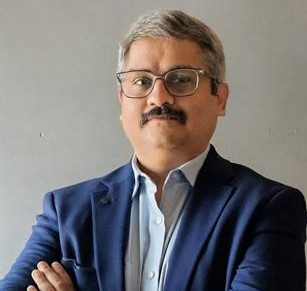
Tronox CEO John D. Romano said the agreement would allow the company to leverage its mineral sands resources and processing expertise as demand for critical minerals accelerates.
“This strategic agreement represents an important milestone in Tronox’s efforts to leverage our unique mineral sands resources and hydrometallurgical and chemical processing expertise to participate in the rapidly growing critical minerals value chain.
"By combining Tronox’s mining resources and reserves and project development capabilities with JXAM’s advanced refining and materials expertise, we are creating a pathway toward a secure, reliable, and globally competitive source of high-purity rare earth oxides and other critical minerals.”
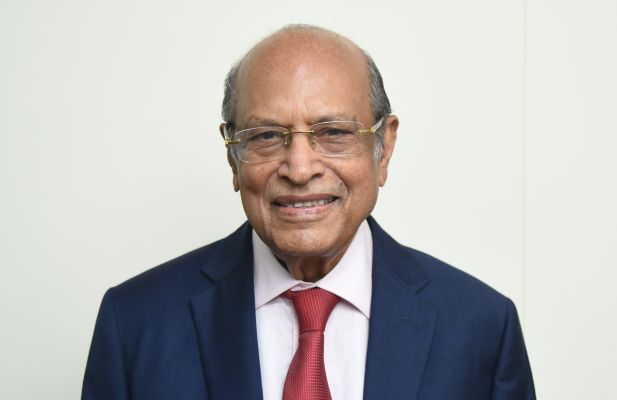
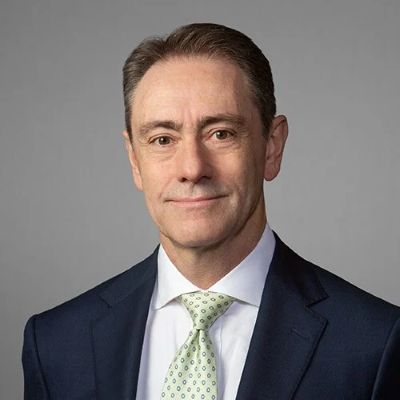
JX Advanced Metals President and CEO Hayashi Yoichi said the partnership would combine the companies’ resources and technologies to assess the potential for rare earth processing operations across multiple locations.
“Rare earths are essential to the advanced materials at the core of our growth strategy, and diversifying and strengthening their supply chain is an important strategic priority for JX Advanced Metals.
"Through this joint study, we will bring together Tronox’s mineral resources and mineral separation capabilities with our technologies and expertise in nonferrous metals smelting and recycling to evaluate the potential of a rare earth processing business in Australia, the United States, and other locations. Working in close partnership and leveraging our complementary strengths, we aim to strengthen the supply chain supporting our advanced materials businesses and create new business opportunities that contribute to the sustainable growth of both companies.”
The agreement also leaves the door open to a larger joint venture. If the engineering studies establish that the proposed facilities are technically and commercially viable, Tronox and JXAM plan to explore forming a joint venture to finance, build and operate the projects.
The companies have already held discussions with government-backed financing institutions, including the US Export-Import Bank, Export Finance Australia and relevant Japanese financial institutions and organizations, as well as other government-supported and commercial lenders. Such financing could account for a significant portion of the projects’ capital requirements.
Romano said the projects could play a role in strengthening rare earth supply chains across the three countries.
“The strategic importance of a diversified and secure rare earth supply chain has never been greater. As the proposed projects would contribute to strengthening supply chains in the United States, Japan and Australia, we also hope to receive support from the relevant authorities and other stakeholders in each country.”