The Odisha project faced some slowdown and momentum is expected to pick up in the second half of this year
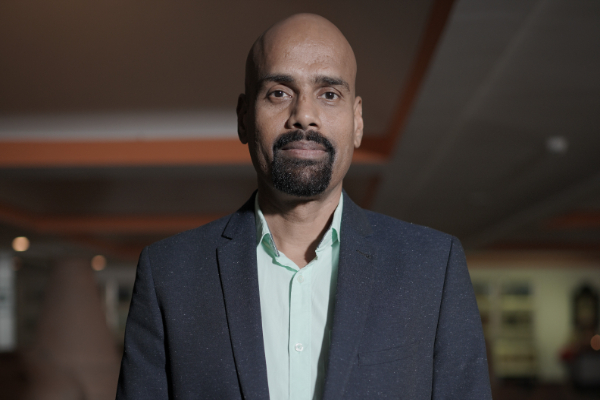
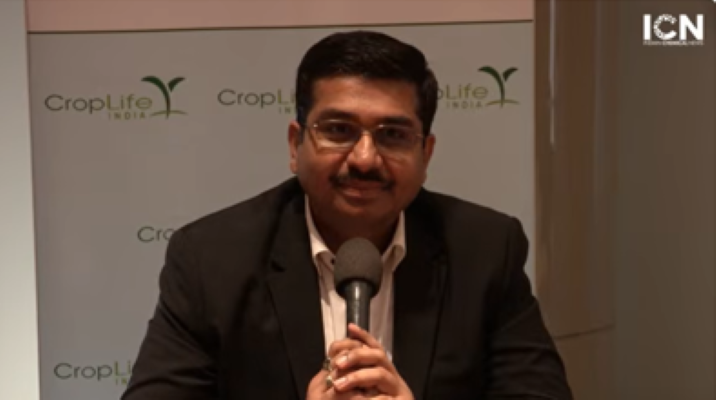
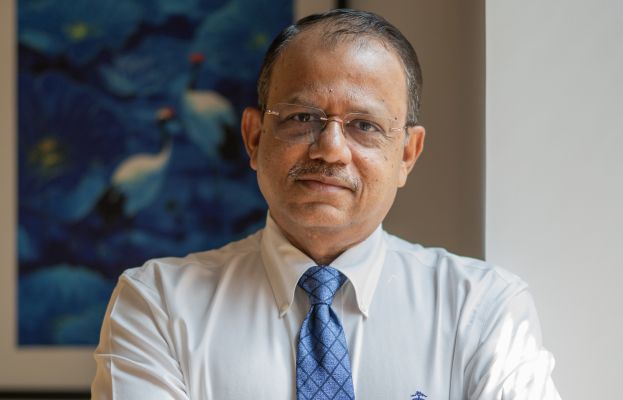
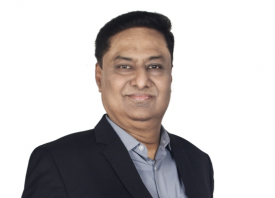
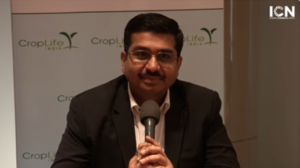
In an exclusive interview with Pravin Prashant, Executive Editor, Indian Chemical News, Prakash Raman, Managing Director, Silox India shared insights on company’s growth prospects, pricing pressure, collaboration with Hindustan Zinc, sustainability initiatives, innovation centre, investments in Dahej and Odisha, and road ahead. Excerpts of the interview:
How have been the last three quarters for Silox India in terms of market scenario and growth prospects?
The last three quarters have been a mixed bag. The inorganic chemicals industry has been impacted by many factors. The global geopolitical situation created several unexpected challenges such as tariff-related issues. It may have not materially impacted us so far as our direct exposure to the US market is limited with less than 5 percent of our revenue coming from the US. At the same time, we are seeing demand moderation from some customers due to global uncertainties. Customers are attempting to diversify their sourcing, but this is a medium- to long-term process. If geopolitical tensions persist and are not resolved quickly, there will inevitably be some impact.
The demand from the infrastructure segment remains strong, driven by sustained government investment in railways and airports. Paints and coatings market remains stable. Also, there were some industry-specific developments that offered pockets of positive momentum. The announced exit of BASF from the hydrosulfide business effective March, 2026 has created some momentum for existing players. Customers are now looking to qualify alternate suppliers to ensure continuity and secondary sourcing. While the overall industry sentiment may not be entirely positive due to the exit of a major producer, it has created short-term demand opportunities for remaining players. Overall, while the performance has been good we had to navigate challenges that were not anticipated at the beginning of the last financial year.
Are you seeing pricing pressures in the market?
Yes, pricing pressure is clearly visible now. In the first one to two quarters, demand was strong and pricing was at healthy levels. However, pressure has emerged, initially from the export markets and now more broadly. More importantly, raw material costs, particularly sulphur, have risen sharply. Sulphur prices have more than tripled over the last two quarters which has had a far greater impact than end-product pricing pressure.
How are you balancing rising raw material costs with competitive product pricing?
There is no silver bullet. We have undertaken multiple initiatives focused on efficiency improvement and waste minimisation. We have also accelerated investments to optimise raw material utilisation and improve operational efficiency. These measures have helped mitigate the impact to some extent but they cannot fully offset the cost escalation. We do expect some softening in raw material prices. If that does not happen, the coming quarters could be challenging, as we may be forced to pass on cost increases to customers at a time when demand is already softening.
You have recently announced a collaboration with Hindustan Zinc for a new product. How does this help on the sustainability front?
Our relationship with Hindustan Zinc goes back over two to three decades. Sustainability is a key focus for us. Our Scope 1 emissions account for only about 8–9 percent of our total emissions, while Scope 2 and Scope 3 are the major contributors. To make a meaningful impact, collaboration across Scope 2 and Scope 3 is essential. Our partnership with Hindustan Zinc addresses Scope 3 emissions. We are now transitioning to EcoZinc, which has nearly 75 percent lower emission intensity per tonne of zinc produced. This will significantly reduce our overall carbon footprint, and we plan to pass on this benefit to select customer segments.
We have already started receiving EcoZinc and will increase its share in our overall zinc consumption through 2026. The product development was largely driven by Hindustan Zinc but we actively collaborated by articulating market needs and sustainability requirements. Eco Zinc is slightly more expensive but the long-term benefits are substantial.
What other sustainability initiatives are you focusing on?
Water conservation is a major area. Between 2021 and 2024, we reduced water consumption by about 32 percent per tonne of product. This effort will continue.
Could you update us on the new innovation centre inaugurated last year?
The innovation centre is now fully operational and world-class in terms of facilities and certifications. We have already begun work on several fundamental research programs relevant to Silox India. Importantly, the centre is intended to serve the global Silox Group, not just India. We are hosting a global technical meeting in early March, where R&D leaders from other group entities will deliberate on programs that can be scaled globally. The focus will be on both fundamental research and application development for new products.
What is the status of your major investments at Dahej and Odisha?
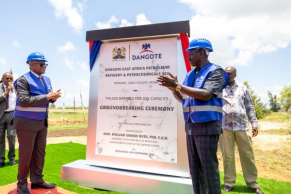
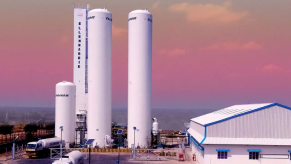
The Dahej Industrial Park project is our largest global investment. The board approved the full investment in the last quarter. Despite some delays due to extended monsoon conditions, construction is now progressing well. Commercial production is expected by the first quarter of 2028. The total investment remains within Rs. 500–600 crore range, and we are on budget in terms of both timelines and capital expenditure. Around 50–60 percent of Rs. 500-600 crore investment in Dahej project will be deployed in 2026.
The Odisha project faced some slowdown and momentum is expected to pick up in the second half of this year.
Given ongoing geopolitical tensions including Ukraine war, inflationary pressures in the US, how do you view the road ahead?
We're shifting from hoping for stability to actively preparing for geopolitical volatility, acknowledging unknowns like Ukraine, Venezuela, and US inflation. Our approach now integrates geopolitical risk into all investment and operations, with focused efforts on geographical, customer, and market diversification—actions already underway to build resilience.
At the same time, we are strengthening our competitiveness and agility. Sustainability initiatives are not just about being green as they help us reduce waste, improve efficiency, gain customer approvals, and access new markets. In some cases, they allow premium pricing; in others, they open new business opportunities. We expect to make significant progress on these fronts in 2026 and 2027.
Subscribe to our newsletter & stay updated.