Statkraft and Elkem ASA have locked in a new long-term power purchase agreement (PPA) that will secure stable, competitive electricity for Elkem’s Bjølvefossen plant in Norway during the 2031–2037 period.
The deal covers a total volume of 1,534 GWh, reinforcing long-term industrial certainty for one of Europe’s key materials producers.
The agreement underpins continued operations, jobs, and local value creation at Bjølvefossen, where around 150 people are employed. The site ranks among the world’s largest producers of foundry alloys, with annual output of 60,000 tonnes.
Its materials—used in automotive, construction, renewable energy, and defence—are primarily sold in the EU and Asia and are produced with a carbon footprint roughly one-third of the global average.
“Access to long-term, competitive power agreements is essential to maintain industrial production and jobs in Norway. This agreement with Statkraft strengthens the competitiveness of our Bjølvefossen plant and reflects the close link between energy and industrial development in Norway.
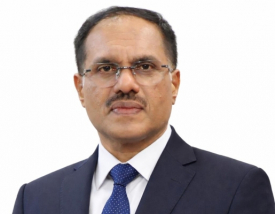
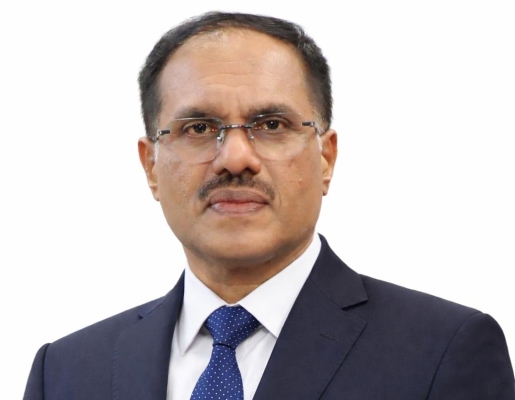
It enables us to continue supplying strategic materials to European industry and supporting the EU's security in a turbulent geopolitical context,” says Inge Grubben-Strømnes, Elkem’s SVP Foundry Alloys.
Statkraft also framed the deal as part of its ongoing commitment to industry partnerships in Norway.
“We are very pleased to sign yet another long-term power agreement with an important Norwegian industrial company. Long-term contracts at competitive terms help support local jobs and value creation at a time of significant uncertainty and volatility, says EVP Markets in Statkraft, Hallvard Granheim.
Elkem says the new contract strengthens its already extensive hydropower-backed portfolio in Norway, helping secure a significant share of its roughly 3.5 TWh annual electricity demand. The company says the agreement improves predictability for both operations and future investment planning.