The escalating costs across energy, raw materials, and logistics, has led to a noticeable shift towards more affordable, conventional feedstocks and materials

The specialty chemicals industry is currently at a defining moment. As organizations around the world navigate the dual pressures of climate change and economic uncertainty, the approach toward sustainability is undergoing a strategic recalibration. While sustainability remains a cornerstone of long-term strategy, the macroeconomic environment and the current geopolitical tension, particularly in the Middle East, is compelling companies to adopt a more measured, pragmatic approach, balancing environmental ambitions with immediate operational and financial realities.
The instability due to conflicts across the globe and in particular the Strait of Hormuz has severely disrupted global shipping movements, increased freight and insurance costs, and created substantial uncertainty in energy and feedstock supplies. This has led to sustained volatility in crude oil and gas prices, directly impacting the cost structure of chemical manufacturing.
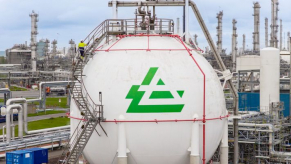
Given the energy-intensive nature of chemical processes, rising input costs are exerting pressure on margins and forcing companies to prioritize cost optimization and operational continuity. The escalating costs across energy, raw materials, and logistics, has led to a noticeable shift towards more affordable, conventional feedstocks and materials. In several cases, manufacturers are temporarily returning to petrochemical-based inputs, as bio-based and recycled alternatives have become less competitive due to inflation and supply constraints.
Customers across downstream sectors are becoming more price-sensitive. With industries such as automotive, construction, and consumer goods under financial strain, demand for premium-priced sustainable products has moderated. Affordability and supply reliability are increasingly outweighing sustainability considerations. There has been a slowdown in adoption of green materials, as persistent overcapacity continues to weigh on margins across the chemical sector.
The current cost environment is also exposing challenges in scaling green technologies like green hydrogen, electrification, carbon capture, and chemical recycling as it requires high upfront capital investment and long payback periods. Circular economy initiatives also face structural barriers such as inconsistent demand, complex supply chains, and underdeveloped infrastructure, further limiting near-term scalability.
Supply chain resilience has become a strategic priority now. Companies are diversifying suppliers, regionalizing sourcing, and restructuring logistics networks to mitigate geopolitical risks and ensure continuity of supply. While these measures are essential, they often redirect capital away from sustainability initiatives such as low-carbon upgrades and circular infrastructure.
Despite these short-term pressures, sustainability remains integral to long-term competitiveness. While companies may adjust the pace and prioritize certain initiatives amid market uncertainty, the broader commitment to sustainable transformation remains firmly intact. As conditions stabilize and regulations continue to evolve, sustainable products, circularity, and low-carbon solutions are expected to regain momentum. Meanwhile, organizations will find ways of mitigating the current challenges arising out of the geopolitical situation and re-strategize long term sustainability measures to accommodate such crisis.
(Disclaimer: The views expressed in the articles are strictly those of the author and do not necessarily reflect the views of the Indian Chemical News.)
Subscribe to our newsletter & stay updated.