Tariff reductions (India's average 9.3% on EU goods dropping) will make EU chemicals, machinery, and plastics cheaper in India

Following 18 years of negotiations (restarted in 2022), India and the European Union have concluded talks on a landmark Free Trade Agreement (FTA), with a formal announcement scheduled for January 27, 2026.
Referred to by Commerce Minister Piyush Goyal as the "mother of all deals," the pact—likely to be formally signed following legal review—aims to significantly reduce tariffs on over 90% of goods and enhance services trade.
The India-EU Free Trade Agreement (FTA), also referred to as the Comprehensive Economic Partnership Agreement, is nearing finalization, with a formal signing expected imminently. Negotiations, ongoing since 2007 and restarted in 2022, focus on reducing tariffs on goods and services while excluding sensitive areas like agriculture and dairy.
The deal aims to boost bilateral trade, which reached approximately $136-190 billion in goods and services for 2024-25, with India exporting around $75-76 billion in goods to the EU.
Positive Impacts on the Chemicals Industry
The FTA is projected to significantly enhance India's chemicals exports to the EU by eliminating or reducing tariffs, which currently average 3.8% on Indian goods but can be higher for specific categories. This could lead to a substantial surge in shipments, particularly for organic chemicals, specialty chemicals, and related products like generics.
Export Growth and Market Access
India’s vital chemical export sector is poised for significant growth, with experts projecting a potential doubling of exports to the EU within three years, driven by enhanced regulatory alignment and reduced tariffs. Exporters anticipate exports could double over the next three years due to phased tariff reductions, making Indian products more competitive. For instance, similar duty concessions in recent deals (e.g., India-UK) have been projected to increase chemical exports by 30-40% in the short term.
The pharmaceuticals sub-sector, closely tied to chemicals, will see improved scalability, diversification from markets like the US, and easier access for generics and specialty items, potentially offsetting lost preferential tariffs under the EU's former Generalized System of Preferences (GSP) scheme.
Investment and Supply Chain Opportunities
The agreement is poised to drive European investment into India’s manufacturing sector, fostering industrialization and generating jobs within export-focused hubs. By boosting key industries—including chemicals, pharmaceuticals, engineering, and automobiles—this partnership aligns with the "Make in India" initiative. Furthermore, it serves as a strategic move to diversify trade routes and mitigate external pressures, such as high US tariffs.
Negative Impacts and Challenges
While export gains are emphasized, the FTA introduces risks from increased competition and regulatory hurdles, potentially pressuring domestic players.
Increased Competition from EU Imports
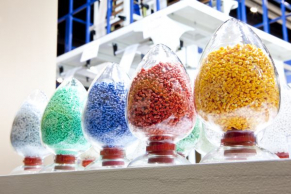
Tariff reductions (India's average 9.3% on EU goods dropping) will make EU chemicals, machinery, and plastics cheaper in India, flooding the market and challenging local manufacturers. This could lead to tough competition, potential layoffs, wage cuts, or market share losses for Indian firms in the short term.
Environmental and Compliance Burdens
The EU’s new Carbon Border Adjustment Mechanism (CBAM) threatens to slash Indian manufacturing competitiveness by imposing a 20-35% tax on high-emission exports like steel, aluminum, and chemicals. This climate-linked levy is expected to cause a significant drop in exports—up to 10% in some sectors—risking widespread job losses and creating insurmountable compliance hurdles for SMEs struggling to meet strict EU standards.
Short-Term Disruptions
Gains may phase in slowly, while import competition hits quickly, causing temporary unemployment or reskilling needs in vulnerable sectors. Non-tariff barriers, like regulatory delays and certifications, could persist, underdelivering on export promises.
Overall Assessment
The FTA offers net positives for India's chemicals industry through export expansion and investment, potentially adding billions in trade value and supporting growth amid global uncertainties. However, risks from competition, CBAM, and compliance could disproportionately affect domestic players and middle-class jobs if not mitigated by safeguards like reskilling programs, green aid, or phased rollouts. Stakeholders, including exporters and policymakers, emphasize the need for strong protections to balance gains. The deal's ratification by the European Parliament may take up to a year, introducing further uncertainty.
Subscribe to our newsletter & stay updated.