A major hurdle in bioplastic recycling has been cleared: the EU-funded ReBioCycle project has demonstrated that PLA can be recovered from mixed plastic waste and turned back into high-quality material equivalent to virgin PLA.
The breakthrough shows that PLA recycling is no longer confined to the laboratory. At pilot scale and in an operational environment, the project consortium successfully sorted PLA from mixed plastic waste using existing technologies, chemically broke it down into its basic building block, lactic acid, and then rebuilt it into recycled PLA with properties equivalent to virgin material.
The results offer a practical route for bringing bioplastics into existing waste collection and recycling systems—an increasingly urgent prospect as the European packaging industry faces tighter sustainability requirements.
Under the EU Packaging and Packaging Waste Regulation (PPWR), packaging must be recyclable by 2030. ReBioCycle’s results provide evidence that PLA can meet that challenge through a recycling pathway that works with real waste streams and industrially relevant processes.
Working with industrial partners including Torwash and TotalEnergies Corbion, the consortium first demonstrated that PLA can be efficiently separated from mixed waste using established sorting technologies, achieving purity levels suitable for further processing.
The recovered PLA was then broken down into lactic acid using Torwash’s hydrolysis technology. In the final stage, TotalEnergies Corbion successfully repolymerised the recovered lactic acid into high-quality recycled PLA with properties equivalent to virgin material.
The project has therefore demonstrated a complete recycling loop—from mixed plastic waste to new, high-quality bioplastic.
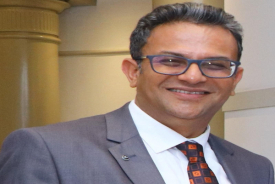
“This is about making circularity real for industry,” said project coordinator Kevin O’Connor. “We’ve connected the full value chain in a way that supports both regulatory compliance and the transition away from fossil-based to bio-based materials .”
The achievement comes as pressure mounts on the packaging sector to move toward more sustainable materials and viable end-of-life solutions. By showing that PLA can be recovered from mixed waste and returned to a high-quality raw material, ReBioCycle strengthens the case for biobased plastics as part of Europe’s circular economy.
The consortium says the technologies can be integrated into existing infrastructure, potentially lowering barriers to adoption while supporting wider European ambitions under the Green Deal and Bioeconomy Strategy.
“Demonstrating that recycling PLA from mixed waste collection to new high-quality PLA material is a reality, is a major step in fulfilling the ambitions of the PPWR in terms of packaging recyclability” says Maelenn Ravard, Regulatory and Sustainability manager at TotalEnergies Corbion. She adds “Achieving circularity is all about having a strong value chain and this is the strength of ReBioCycle consortium”.
The next challenge is commercialisation. The ReBioCycle consortium will now focus on developing and validating new applications for recycled PLA while continuing to scale the process toward full industrial deployment.
The message from the project is clear: closing the loop on PLA is no longer a future ambition. The technology is working—and the next step is bringing it to market.