Michelin, IFPEN, and Axens have announced significant progress in their project that aims to produce bio-based butadiene from bioethanol.
Since its launch in 2003, the BioButterfly project, supported by ADEME, Région Nouvelle-Aquitaine, and Bordeaux Métropole, has hit several key milestones, reinforcing the technology’s commercial potential.
The BioButterfly project “has successfully tested on the demo-plant both bioethanol and advanced bioethanol (second generation ethanol) as feedstocks for producing bio-based butadiene, guaranteeing a 100% bio-sourced origin.” Both feedstocks performed successfully, proving the process can flexibly handle diverse inputs.
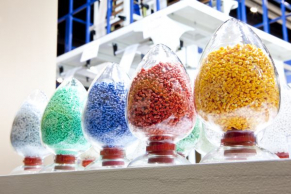
In a breakthrough for sustainable materials, “the butadiene produced at the demonstration plant has been used to synthesize butadiene rubber (BR) and styrene-butadiene rubber (SBR) in a polymerization unit.” The tests were successful, validating bio-based butadiene’s application in synthetic rubber production.
The team confirmed that “the butadiene produced has been confirmed to meet stringent polymer grade specifications, ensuring its suitability for high-quality” applications—underscoring its potential as a low-carbon alternative to fossil-based production.
The R&D phase of BioButterfly is “on track to become the most advanced technology on the market, developed via a demonstration plant to de-risk the scale-up and bring operational feedback to the future plant owners.” The partners aim to achieve technology homologation by mid-2026, paving the way for commercialization of this innovative process.
The project’s success highlights the commitment of Michelin, IFPEN, and Axens to building a sustainable, bio-based synthetic elastomer industry. The partners are determined to continue their collaboration and bring the technology to market, supporting the global transition to renewable resources.