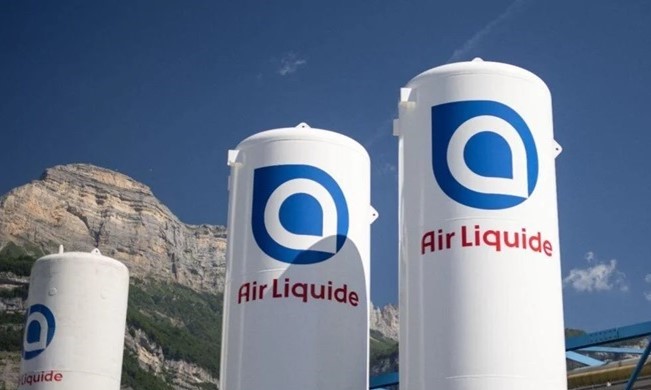
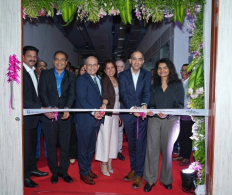
Air Liquide has broken ground on a major new Air Separation Unit in Huizhou, Guangdong Province, strengthening its industrial footprint in China’s fast-growing Greater Bay Area.
Once operational in 2027, the facility will produce around 800 tons per day of liquid oxygen, nitrogen, and argon, boosting supply to the Pearl River Delta alongside the company’s existing network in the region.
Strategically located in the Huizhou New Materials Park—being developed as a leading national hub for advanced synthetic materials, high-end chemicals, and frontier new materials—the plant is designed to serve some of the most demanding industries in China’s next wave of growth.
It will supply high-purity gases for semiconductor and advanced manufacturing customers, as well as petrochemical and medical sectors.
The project also emphasizes efficiency and sustainability. Air Liquide says the plant will operate at industry-leading energy efficiency levels, reflecting its push toward low-carbon industrial technologies aligned with Huizhou’s broader sustainability goals.
The investment marks another step in Air Liquide’s long-term expansion across the Greater Bay Area, where it has operated since the early 1990s. Today, the company runs multiple entities across Guangzhou, Shenzhen, Maoming, Qingyuan, Foshan, and Dongguan, serving more than 2,800 customers. The new Huizhou site is expected to further strengthen supply reliability and optimize regional operations.
Rui COELHO, CEO of Air Liquide China, said: “We are grateful for the trust of our customers and partners as we launch this new project in Huizhou. This investment reflects our unwavering commitment to the local market and our strategy to support China's transition toward high-quality, low-carbon development.
"By leveraging our advanced technologies and operational expertise, we will continue to provide safe, reliable, and efficient solutions that help our customers grow their businesses sustainably while contributing to the long-term dynamism of the Greater Bay Area's industrial ecosystem.”