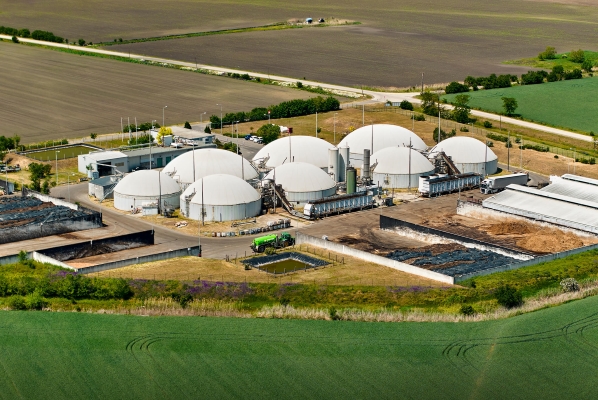
MOL is moving deeper into green energy with a significant upgrade to its Szarvas Biogas Plant, adding a new biomethane unit designed to feed renewable gas directly into Hungary’s national grid.
The expansion will allow the facility to upgrade raw biogas into high-purity biomethane, suitable for direct injection into the natural gas network. The project is scheduled for completion by the end of the year and is expected to produce more than 7 million cubic metres of biomethane annually—replacing fossil natural gas while boosting domestic energy supply.
Aligned with MOL Group’s long-term SHAPE TOMORROW 2030+ strategy, the investment marks a milestone in its transition toward a broader green energy portfolio. It will be MOL Group’s first biomethane plant and the third such facility in Hungary.
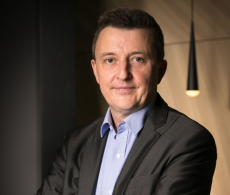
“Through the new investment, we are providing an effective response to the energy trilemma: we are increasing energy security while producing an energy carrier in an affordable and sustainable way,” said Ádám Horváth, New and Sustainable Businesses Vice President of MOL Group.
“In order to unlock the potential of biomethane at a national level, an effective support system, clear and supportive regulation, and cooperation between the agricultural and energy sectors will be necessary as well.”
Biogas, produced through the breakdown of organic materials such as plant residues, manure, and food waste, is typically made up of methane mixed with carbon dioxide and other compounds.
The new unit removes these impurities, producing biomethane with higher energy value and eligibility for green certification (ISCC). The planned output of 7 million cubic metres is equivalent to the annual gas consumption of roughly 8,500 households.
The project reflects a broader regional push to localize energy production. MOL highlights Central and Eastern Europe as a strong candidate for biomethane growth, supported by agricultural capacity, existing gas infrastructure, and industrial demand.
MOL acquired the Szarvas biogas plant in 2023. Since then, the facility has produced nearly 24 GWh of green electricity annually through gas engines, alongside combined heat generation.
The site has a peak electrical capacity of around 4 megawatts and processes more than 40,000 tonnes of meat industry waste annually, plus 53,000 tonnes of agricultural and livestock residues, and about 18,000 tonnes of additional agricultural feedstock. In total, it produces nearly 12 million cubic metres of biogas each year.
The company says it will use operational experience from Szarvas to guide future acquisitions and new greenfield investments in the renewable energy sector, while strengthening long-term partnerships with agricultural suppliers.