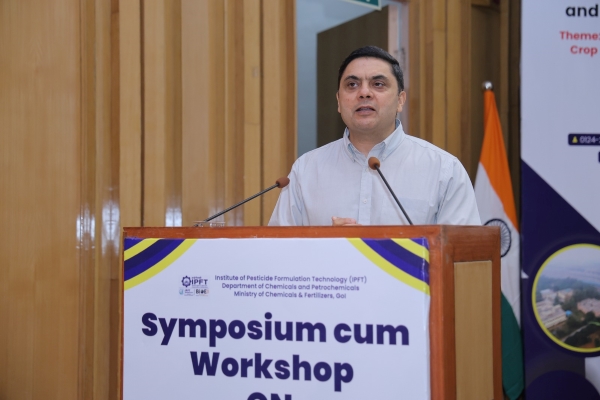
India has the scientific strength, biodiversity resources and innovation ecosystem needed to emerge as a global leader in the bio-economy and bio-based agricultural input sector, according to Tejveer Singh, Secretary, Department of Chemicals and Petrochemicals (DCPC), Ministry of Chemicals and Fertilizers.
Addressing the valedictory session of BIOPSF 2026 in New Delhi, Singh highlighted the country's growing momentum in sustainable agriculture and bio-based technologies, emphasizing that supportive government policies and innovation-driven growth are creating new opportunities for leadership in the sector.
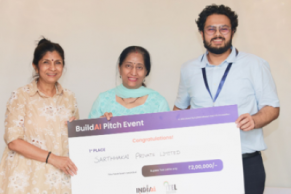
The two-day symposium-cum-workshop, themed “Next Gen Bio-Inputs – Bio-based Pesticides, Stimulants and Fertilizers,” concluded in the national capital after bringing together policymakers, scientists, industry leaders, regulators, entrepreneurs, start-ups, students and researchers to discuss the future of sustainable agricultural inputs.
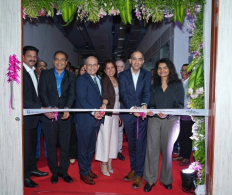
Organised by the Institute of Pesticide Formulation Technology (IPFT), Gurugram—an autonomous institution under the DCPC—the event was hosted at the National Agricultural Science Complex (NASC), New Delhi as part of IPFT's 36th Foundation Day celebrations.
Singh said India’s strong scientific foundation, rich biodiversity and rapidly expanding start-up ecosystem position the country to lead the next phase of growth in the global bio-economy. He noted that increased policy support for sustainable agriculture and focused bio-economy initiatives would further accelerate India's progress in the sector.
The Secretary also underlined the importance of collaboration between academia and industry, expressing confidence that scientific excellence and innovation from young entrepreneurs would drive the development of future-ready agricultural solutions.
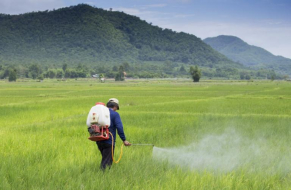
Highlighting the growing role of bio-pesticides in sustainable farming, Singh stressed the need for advanced formulation technologies to improve product performance and farmer adoption.
“The ultimate success of bio-pesticides also depends upon the development of robust formulation technologies that can enhance product stability, field efficacy, ease of application, and overall farmer acceptance.”
Calling for stronger indigenous capabilities, he said India must continue investing in translational research, start-up-led innovation and technological development across bio-based chemicals, crop protection technologies and sustainable agricultural inputs.
As the curtains came down on BIOPSF 2026, participants underscored the critical role of next-generation bio-inputs in boosting agricultural productivity while advancing environmental sustainability, reinforcing India's ambition to become a major global force in the bio-economy.