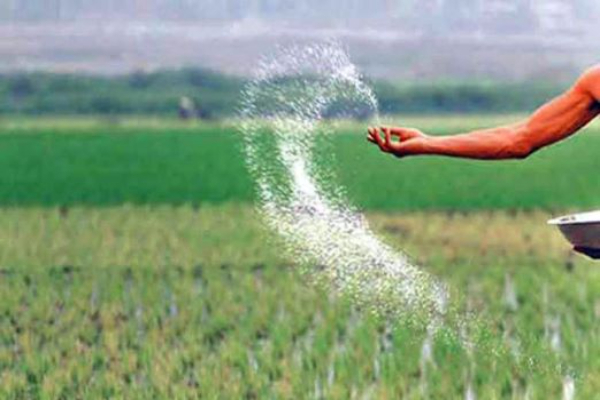
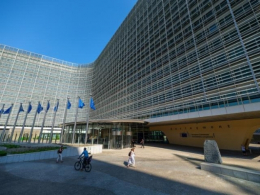
The Council of the European Union has moved to cut import costs for farmers, suspending customs tariffs on key nitrogen-based fertilisers for one year in a bid to ease pressure on agricultural production and reduce reliance on Russia and Belarus.
The decision, announced on 22 May 2026, covers essential inputs such as urea and ammonia used widely in EU farming. According to the European Commission, the measure is expected to save around €60 million in import duties, offering immediate cost relief to farmers and the fertiliser industry.
Officials say the move is designed to strengthen supply security while stabilising food production costs across the bloc.
“Today’s decision gives European farmers better access to affordable, reliable fertiliser supplies – good news for the agriculture sector and EU consumers alike.
"At the same time, we are accelerating away from Russian and Belarusian products and building more resilient supply chains and partnerships globally," said Makis Keravnos, who framed the measure as both an economic and geopolitical shift.
Under the new rules, the suspension applies only within defined import limits. Volumes are capped at 2024 MFN import levels plus an additional 20% of Russian and Belarusian import volumes from that year. Products already entering the EU duty-free under preferential trade agreements are excluded.
Crucially, fertilisers from Russia will remain excluded entirely, reflecting the EU’s stance following what it calls Russia’s “unprovoked and unjustified war of aggression against Ukraine.” Belarusian products are also barred, with Brussels citing Minsk’s support for Moscow and broader concerns over international law and human rights.
The policy is temporary, set to take effect the day after publication in the EU’s Official Journal and remain in force for one year. The European Council has indicated the European Commission will closely monitor market conditions and may propose extending or adjusting the measure if needed.
Fertilisers remain a critical pressure point for European agriculture. Prices have surged since 2021, squeezing farmers and feeding into higher food costs. In 2024 alone, the EU imported millions of tonnes of ammonia, urea, and nitrogen-based fertiliser blends, highlighting continued dependence on external suppliers despite existing trade preferences.
With this suspension, Brussels is betting on cheaper inputs, steadier supply chains, and a strategic pivot away from politically sensitive import sources—all while trying to keep European farms competitive and food prices in check.