A Dutch industry consortium has taken a major step toward reshaping Europe’s lithium supply chain, securing a €2 million government grant to pilot a new, lower-carbon route for producing battery-grade lithium from both European sources and recycled batteries.
The Lithium Refining via Salt-Assisted Crystallization (LiSA) project will bring together lithium refining, recycling and industrial scale-up in a single circular process designed to reduce emissions, cut energy use and strengthen Europe’s access to critical raw materials.
Led by Nobian, the LiSA consortium includes Back to Battery, the University of Twente and Demcon Suster, with the Institute for Sustainable Process Technology (ISPT) coordinating the three-year pilot project.
The partners will invest a combined €3.6 million in developing and testing the technology in the Netherlands following the award through the Dutch government’s TKI Energy programme.
At the core of the project is Nobian’s proprietary salt-based crystallization technology, which converts lithium chloride into battery-grade lithium materials through a more efficient refining process.
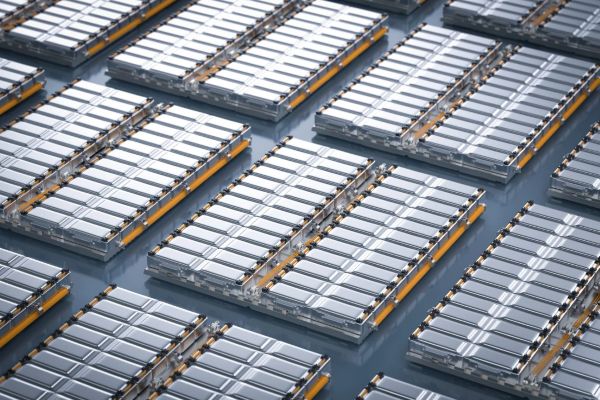
LiSA will test lithium chloride from European geothermal sources and recycled batteries, aiming to produce battery-grade lithium hydroxide and lithium carbonate while reducing dependence on imported raw materials.
The patented process combines electrochemistry with salt-based crystallization. Lithium chloride is processed with caustic soda through two crystallization stages, separating lithium hydroxide and sodium chloride. The sodium chloride can then be reused in existing chlor-alkali electrolyzers to produce caustic soda, creating a closed-loop process.
Compared with conventional lithium refining methods, the technology is expected to reduce energy consumption and CO₂ emissions by around 50%. It is also designed to lower water use, reduce waste streams and improve cost efficiency.
The pilot facility will test different lithium feedstocks, optimize operating conditions and investigate how impurities from recycled lithium sources can be managed effectively.
Lithium is a critical material for electric vehicles, energy storage systems and the wider energy transition. However, Europe remains heavily reliant on imports for battery production, leaving the supply chain exposed to geopolitical uncertainty, price fluctuations and environmental challenges.
The LiSA project aims to address these vulnerabilities by combining recycled lithium from end-of-life batteries with European lithium resources, creating a more circular and resilient battery chemicals supply chain.
By connecting recycling and refining in one process, the consortium hopes to support the development of a domestic lithium ecosystem in the Netherlands and across Europe.
Coert van Lare, Director Innovation Program Renewable & Circular at Nobian, says: “LiSA leverages our electrochemistry and crystallization capabilities to help address one of Europe’s key raw material challenges.
"Together with strong partners, we are scaling a more energy-efficient route to sustainable, battery-grade lithium that can reduce CO₂ emissions, support EU critical raw materials ambitions and strengthen Europe’s circular battery value chain.”
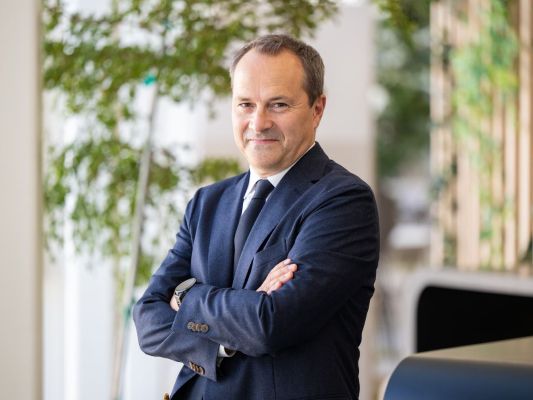
Markus Mingenbach, Senior Vice President Chlor-Alkali & Chloromethanes at Nobian, adds: “LiSA brings our Grow Greener Together approach directly into one of Europe's most strategic growth markets. It applies Nobian’s salt chemistry, chlor-alkali expertise and industrial capabilities to sustainable battery materials.
"This creates a scalable pathway into the battery chemicals value chain, a strategic growth area that builds directly on our existing business. It also positions Nobian to support a lower-carbon, more competitive and strategically independent battery value chain in Europe.”
Steven Lans, CEO of Back to Battery, comments: “We have found real chemistry with Nobian, literally. Both our processes run on similar chemistry, which gives us strong synergy. We recover critical raw materials from end-of-life batteries and put them back into new batteries, without any loss of performance, while also closing the loop on reagents. This collaboration demonstrates how innovative chemistry can reinforce and grow the Netherlands’ existing chemical clusters for the next generation of sustainable industry.”



,_Aditya_A__Shriram_(President).JPG)