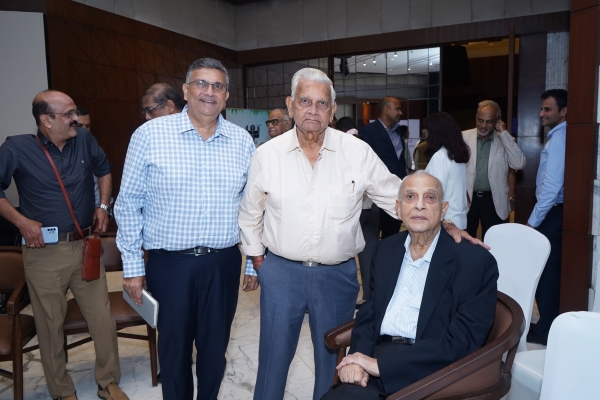
Leaders from the agrochemicals, biologicals, and allied sectors converged at the Pesticides Manufacturers & Formulators Association of India's (PMFAI) 57th AGM last week for a high-stakes discussion on the future of the Indian crop protection industry.
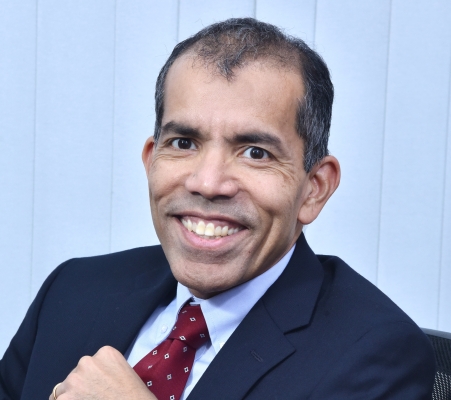
In his address, PMFAI President Pradip Dave underscored the Association’s long-standing influence. He “highlighted the significant role PMFAI has played over its 57 years’ history in contributing to the development and progress of Indian Agriculture, the Indian Agrochemical industry, and the Indian Farming community.”
Dave warned that the Indian agrochemical sector is experiencing a dramatic shift, shaped by climate-driven pest changes and evolving crop practices. Intensifying the challenge, he noted, is a slump in India’s exports caused by global inventory destocking, weak demand in major markets, and aggressive price competition from China.
Calling for a renewed strategy, Dave emphasized the need to boost domestic manufacturing of technical-grade pesticides and key intermediates. Many Indian companies, he said, are already pursuing backward integration “thereby trying to reduce dependence on imports.”
He reiterated that the industry’s core ambition is to position India as a global sourcing hub, with growth opportunities across the US, Brazil, Latin America, Southeast Asia, and Africa. Dave expressed confidence in India’s capability “to substantially grow the country's export market share.”
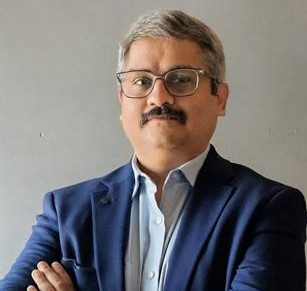
A key highlight of the Industry Meet was a legal deep dive by Ashish Kothari, Advocate, Supreme Court, and Isha Tyagi, Advocate & Legal Consultant, who presented the landmark victory of Natco Pharma in the Risdiplam patent case (Roche AG v. Natco Pharma Limited).
The speakers outlined how the Delhi High Court viewed the case as an example of attempted patent evergreening and found that Natco had mounted a credible challenge to Roche’s claims on grounds of obviousness and anticipation by earlier genus patents. Their detailed presentation showed how the judgment clears the path for generic production — a ruling seen as a major boost for Indian pharma and agrochemical manufacturers defending against minor, non-inventive patent extensions.
The global perspective continued with a presentation from Bill Crabtree, General Manager, 4Farmers Australia Pty Ltd, who dissected Australia’s cropping systems, regulatory environment (APVMA), and the rising influence of Indian suppliers.
Crabtree highlighted how Australia’s no-tillage revolution and extensive use of herbicides, fungicides, and insecticides have shaped its output. He also pointed to India’s strengthening position due to “reliable quality, reliable supply, price competitiveness, a closer connection Indian culture and strong English language use.”
PMFAI Advisor Sandeep Singh presented the “PMFAI Impact,” outlining the Association’s extensive policy interventions over the years.
PMFAI’s long fight to defend Section 9(4) “me too” registrations, which he noted helped India become the 4th largest agrochemical producer globally and the 2nd largest exporter, enabling many MSMEs to scale into major enterprises.
"The Gujarat High Court case (2007–2018), which resulted in guidelines promoting Technical Indigenous Manufacturing (TIM) over Formulation Import (FI) and the government’s mandate to register technical-grade pesticides domestically before approving formulation imports.
"PMFAI’s successful challenge to the proposed ban on 27 pesticides, which after extensive dialogue with government officials was reduced to bans on only four products: Dinocap, Dicofol, Methomyl, and Monocrotophos 36 SL formulation."
He also noted PMFAI’s presentation before the Parliamentary Standing Committee during deliberations on PMB 2020, along with subsequent representations to key ministries.