E3 Lithium has successfully commissioned Phase 2 of its Clearwater Project Demonstration Facility and is now running extended reservoir production testing, marking a key step forward in de-risking its planned commercial development.
The company confirmed lithium concentrations of 75.8 mg/L in produced brine, reinforcing consistency across the Clearwater Project and the broader Bashaw District. Independent laboratory analysis validated the results, strengthening confidence in the resource base and reservoir performance.
Operations at the Demo Facility are focused on long-duration reservoir testing, with brine being pumped from a production well and immediately reinjected through a paired injection well. The setup allows rapid, closed-loop evaluation of subsurface behaviour while minimizing surface handling.
According to the company, the system has already achieved stable production and injection performance. During initial operations, the Electrical Submersible Pump maintained a steady flow rate of 1,400 m³/day, meeting targeted operational parameters.
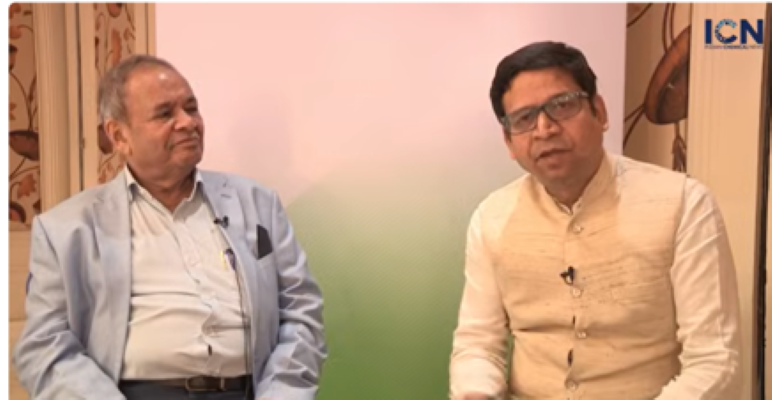
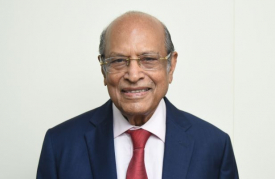
“With Phase 2 operations underway, E3 has begun a series of project-scale de-risking activities for the Clearwater Project,” said Chris Doornbos.
“We have already moved more brine through these two wells than E3 has handled through all its previous testing combined, and we expect to continue to operate the pump as needed over the coming 24 months. The confirmation of the initial reservoir response and the lithium grade at these new wells further bolsters the consistency and predictability of the Leduc Aquifer and the lithium resource base held by E3."
The ongoing test program is feeding directly into reservoir modelling work that will update the Reservoir Development Plan and support the company’s Feasibility Study. Next steps include brine-to-gas analysis to inform the design of the project’s processing front-end.
E3 said the Demo Facility will continue operating over the coming months to collect additional reservoir, chemistry, and process performance data needed for Front-End Engineering Design (FEED) and future commercial decisions.