The new facility is expected to be probably the greenest and with least environmental footprint manufacturing facility among all the Silox Group entities
How is the ongoing geopolitical situation shaping the overall sentiment of global and Indian chemical industries?
It has been a roller coaster ride especially for the chemical industry, what we have seen is that strong and sustained demand in the domestic market and exports continue to be largely impacted by the geopolitical situation. The major challenges what we have seen is in raw material and utilities as the prices have peaked to unprecedented level and it still continues to be high, considering the good demand, we have been able to pass on price increase in select market segment. I would say, overall, for chemical industry, it’s a challenging period but it’s not a disaster and selectively some companies have achieved the best performance during this year.
Overall performance of Silox India in FY 2025-26 and what are your expectations from FY 2026-27?
The performance of Silox India in FY 2025-26 has been more or less in alignment with last year. In the first 3 quarters, we were slightly behind but in the last quarter we strongly came back and revenues picked up. We were able to match last year performance, which has been a pretty strong performance. Expectation for the coming year is we continue to face some challenges, but we are optimistic, hopefully the situation improves and the current situation in the Middle East get resolved and we expect it to be another strong year. If the geopolitical situation is sustained for a longer period of time, it's going to be very challenging period for the chemical industry, both from raw material and also demand point of view.
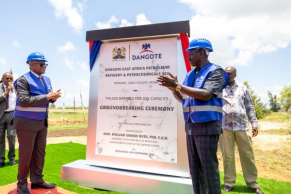
You have officially broken ground on new Dahej facility last year. How will this major Capex injection redefine Silox India's global manufacturing footprint and export capability?
The Dahej greenfield project, Silox Group's largest global investment, is progressing on schedule. We are heavily committing capital toward this facility in the coming year and actively pursuing further expansion opportunities. There has been a strong focus in improving sustainability footprint of our existing operation, and there have been several projects both on the growth and improvement side.
The new manufacturing facility will bring us additional capacity to not only meet India demand but also for the global growth. The end target segment we are serving especially textiles, paints and coatings, and polymer market, we see our enhanced flexibility to meet the export demand much quicker with the new capacity coming stream.
The new plant boasts impressive resource-saving metrics. What specific technologies are being deployed to hit 90% green energy milestone?
The new facility is expected to be probably the greenest and with least environmental footprint manufacturing facility among all the Silox Group entities. We will be going for a sustainable green energy for more than 90 per cent of the total need of electrical energy and steam requirement will be met through 100 per cent biosource. We are integrating critical equipment with advanced, closed-loop systems to ensure optimal energy utilization, maximize operational efficiency, and virtually eliminate fugitive emissions.
Silox caters to industries ranging from automotive and textiles to new energy vehicles. Which of these verticals do you expect to drive most explosive growth over the next five years?
Silox caters to diverse market segments, one of the key market segments being textiles, paints and coatings, and automotive. We expect textiles continue to be the large market segment but it will grow in single digit. We project major growth in paints and coatings, driven by infrastructure projects that demand high-performance corrosion protection.
We continue to pursue other value-added market segment especially for our zinc derivatives where we are making differentiated product which will make the process either easier or help in enhancing the resources in the end use market.
Silox India has partnered with Hindustan Zinc to advance low-carbon manufacturing with EcoZen. How this partnership is going to help Silox India in reducing embedded carbon footprint of its zinc-based chemical products?
Yes, we have partnered with Hindustan Zinc especially to advance the low carbon EcoZen. We have been the first chemical company to get into a contract with Hindustan Zinc which will significantly reduce the carbon footprint by more than 1/5 when compared to the traditional process. We continue to collaborate with them to enhance the use of eco zinc based on its availability and which will also help us in meeting the requirements of our critical market segments which are advancing the low carbon materials.
Given the highly technical nature of Silox India's product portfolio, how do you plan to drive innovation in high-purity inorganic chemicals and zinc derivatives?
Yes, the business we operate are highly technical in nature that is the reason we have inaugurated our state-of-the-art Research and Innovation Centre late last year. This will not only serve the needs of the Silox India but also for the Group globally. Clearly our focus is making differentiated product and on new application development.
A significant portion of our future pipeline will be zinc-based products and zinc derivatives. By driving continuous innovation, we are directly addressing evolving customer needs and capitalizing on emerging market opportunities. We expect to see a growing number of new products from this portfolio in the coming months.
As a leader in your sector, which emerging regional or global market present the most lucrative opportunities for Silox India over the next three to five years?
For Silox India, the end market segment is diverse, so we don't see any specific geography which is going to bring the spurt in the growth and it's going to be more gradual and broader. However, we continue to enhance our footprint in South America and few new and emerging opportunities in United States.
With several local and international players in the inorganic chemical space, what specific strategies will you employ to maintain a distinct competitive advantage?
To just keep an edge over the competition, we are focusing on 3 different axis - First, is we want to be the most competitive producer as we have large exposure in textile which is sensitive to the cost. Second, we make sustainable use of all the resources, becoming more greener than any of the competitor which is going to give an edge especially market segment like automotive, paints, and coatings where the customers need more greener solution. Third, is going to be on the innovation that differentiated product and the geographical expansion where we are investing heavily in terms of enhancing our product portfolio and also to reach to the market.
Chemical manufacturing industry faces stringent environmental regulations. How do you plan to balance aggressive production targets with top-tier Environmental, Health, and Safety (EHS) and green manufacturing standards?
The emerging regulation, especially related to the environment, health and safety and green manufacturing, is strategic and critical. If you look into the image of the chemical industry in general is not positive because the structure of the chemical industry in India is such that we are dominated by the small medium enterprises, where their level of safety environment awareness is not at the level where it needs to be so it’s very clear the people who focus on this is going to bring competitive edge. We are becoming more global and key supplier to the global market, people look for continuity, complying to the standard is not just going to be only a regulatory requirement is going to become a business competitive advantage so sincerely hope the industry adapts it faster and the people who are going to comply and meet the expectation, are going to win the race in coming years.
Silox India has stepped into chemical circular processes for recycling EV batteries. Can you share your roadmap for this vertical and how it aligns with India's green transition?
Yes, we are looking into the process of recycling of critical minerals especially on the EV batteries. This business is emerging and we will shortly announce our plan for this business in coming weeks. It’s one of the core areas for Silox investment globally where we have a lot of experience. Silox have been involved in the cyclicality and recycling of the key mineral for more than two decades but this will accelerate considering new market opportunity and India is going to play a key role with probably the first investment in this area under large commercial scale especially for the lithium and battery critical mineral recycling.
How would you navigate global raw material sourcing challenges, and logistics disruptions without compromising on the company’s strict delivery timelines?
Yes it's a challenge. Everybody need to focus on simple mantra is control the controllables and weather the rest, meaning we can't control the raw material prices beyond a particular extent but we can control how effectively we use it, meaning enhancing the efficiency reducing their wastage making more from less is going to be the mantra for everyone. We are already putting this as a practice in all our manufacturing facilities to ensure that we continue effectively all the resource like it is not just only the key raw material, all the resources we use as we use it effectively and minimise the wastage. The supply chain disruption is what is it making more and more difficult for us to meet effectively the requirements of our export needs where we have a limited control both in terms of the cost and timeline.
How do you assess the readiness of Silox India’s current production and supply chain infrastructure for automation and smart manufacturing?
Our manufacturing facility is a mix of old and new, we are clear for our greenfield project which is going to be the project for the future where digitalization and automation is going to be at the maximum level and for our existing facility we are focusing on few critical areas especially on the safety, sustainability, and protecting the people we are bringing in more and more automation.
The specialty chemicals sector requires highly specialized talent. What is your approach to upskilling the workforce and retaining industry experts?
Talent is a key challenge faced by each and every chemical industry in terms of attracting the talent, in terms of getting the right talent, it's a challenge, it’s a struggle for us, which is forcing us to do more automation than what is required especially for a country like India where you have lot of human assets available but getting that right skilled asset at the right level is becoming a challenge so the industry need to really focus on automation because in general the younger generation is not getting attracted to the manufacturing sector so we need to fight with the service sector which offers better value proposition job work and flexibility whereas the manufacturing has its limitation so I would prefer focus to have few focused trained talent and then more on automation to meet the critical growth requirement.
You earlier highlighted the "chemistry" between the company, its suppliers, and its customers as the core of the business. How has this relationship-driven philosophy evolved recently?
We considered suppliers as part of our ecosystem and we have collaborated with our key suppliers for more than 2 to 3 decades, because any innovation, improvement, if you want to bring it in the system, it has to come through the whole value chain. A prime example how we have been able to collaborate with HZL for the Eco Zinc, we continue to do with others who are our critical material supplier. We share the best practices developed inside Silox and also we learn from the suppliers. Some of the new digitalization improvements which they are bringing to us, so sharing of such knowledge is extremely critical to bring overall improvement which will ultimately improve the competitiveness for the chemical industry in India.
What is your ultimate vision for Silox India’s legacy in the broader Asian industrial landscape?
Silox is a unique company. This is an MNC where close to 2/3rd of the profitability of the global group comes from India and significant portion of the turnover comes from India. We wanted to keep this way, we wanted Silox to grow in India but also globally in offering a differentiated solution and we don't want to lose this unique position within the group that's why we continue to invest and continue to grow profitably both in India and globally.
INTERVIEW/CHEMICAL
Header: Dahej Facility Brings New Capacity to Meet Rising Indian and Global Demand
Leader: The new facility is expected to be probably the greenest and with least environmental footprint manufacturing facility among all the Silox Group entities
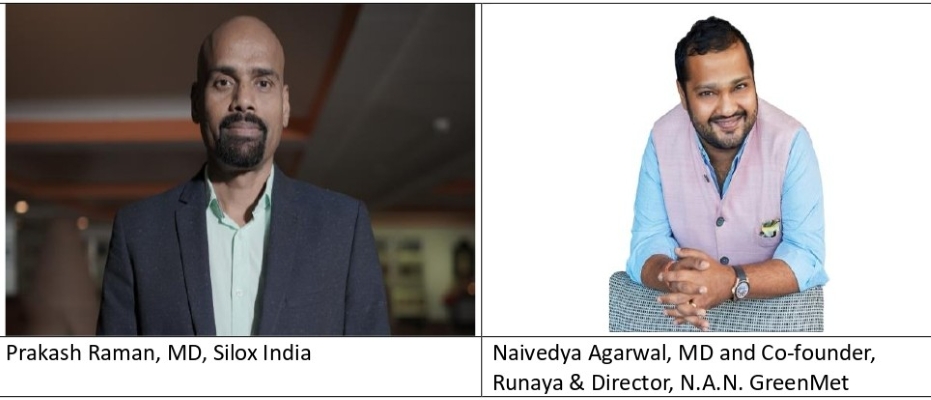
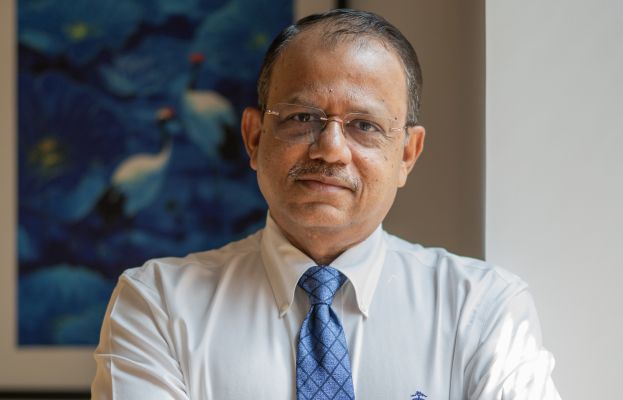
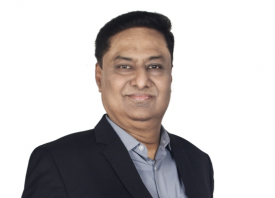
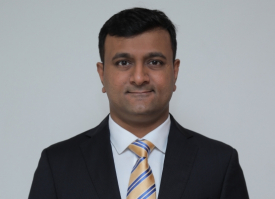
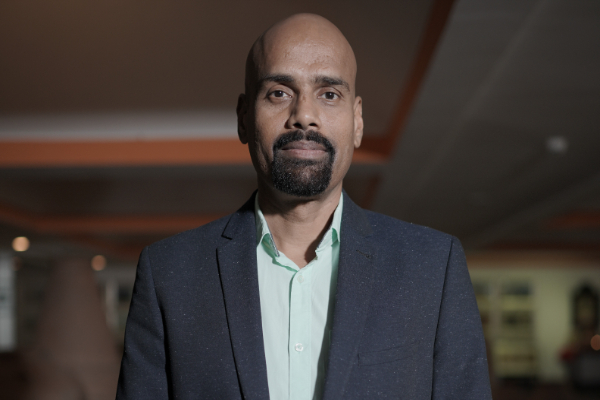
Prakash Raman, Managing Director, Silox India
How is the ongoing geopolitical situation shaping the overall sentiment of global and Indian chemical industries?
It has been a roller coaster ride especially for the chemical industry, what we have seen is that strong and sustained demand in the domestic market and exports continue to be largely impacted by the geopolitical situation. The major challenges what we have seen is in raw material and utilities as the prices have peaked to unprecedented level and it still continues to be high, considering the good demand, we have been able to pass on price increase in select market segment. I would say, overall, for chemical industry, it’s a challenging period but it’s not a disaster and selectively some companies have achieved the best performance during this year.
Overall performance of Silox India in FY 2025-26 and what are your expectations from FY 2026-27?
The performance of Silox India in FY 2025-26 has been more or less in alignment with last year. In the first 3 quarters, we were slightly behind but in the last quarter we strongly came back and revenues picked up. We were able to match last year performance, which has been a pretty strong performance. Expectation for the coming year is we continue to face some challenges, but we are optimistic, hopefully the situation improves and the current situation in the Middle East get resolved and we expect it to be another strong year. If the geopolitical situation is sustained for a longer period of time, it's going to be very challenging period for the chemical industry, both from raw material and also demand point of view.
You have officially broken ground on new Dahej facility last year. How will this major Capex injection redefine Silox India's global manufacturing footprint and export capability?
The Dahej greenfield project, Silox Group's largest global investment, is progressing on schedule. We are heavily committing capital toward this facility in the coming year and actively pursuing further expansion opportunities. There has been a strong focus in improving sustainability footprint of our existing operation, and there have been several projects both on the growth and improvement side.
The new manufacturing facility will bring us additional capacity to not only meet India demand but also for the global growth. The end target segment we are serving especially textiles, paints and coatings, and polymer market, we see our enhanced flexibility to meet the export demand much quicker with the new capacity coming stream.
The new plant boasts impressive resource-saving metrics. What specific technologies are being deployed to hit 90% green energy milestone?
The new facility is expected to be probably the greenest and with least environmental footprint manufacturing facility among all the Silox Group entities. We will be going for a sustainable green energy for more than 90 per cent of the total need of electrical energy and steam requirement will be met through 100 per cent biosource. We are integrating critical equipment with advanced, closed-loop systems to ensure optimal energy utilization, maximize operational efficiency, and virtually eliminate fugitive emissions.
Silox caters to industries ranging from automotive and textiles to new energy vehicles. Which of these verticals do you expect to drive most explosive growth over the next five years?
Silox caters to diverse market segments, one of the key market segments being textiles, paints and coatings, and automotive. We expect textiles continue to be the large market segment but it will grow in single digit. We project major growth in paints and coatings, driven by infrastructure projects that demand high-performance corrosion protection.
We continue to pursue other value-added market segment especially for our zinc derivatives where we are making differentiated product which will make the process either easier or help in enhancing the resources in the end use market.
Silox India has partnered with Hindustan Zinc to advance low-carbon manufacturing with EcoZen. How this partnership is going to help Silox India in reducing embedded carbon footprint of its zinc-based chemical products?
Yes, we have partnered with Hindustan Zinc especially to advance the low carbon EcoZen. We have been the first chemical company to get into a contract with Hindustan Zinc which will significantly reduce the carbon footprint by more than 1/5 when compared to the traditional process. We continue to collaborate with them to enhance the use of eco zinc based on its availability and which will also help us in meeting the requirements of our critical market segments which are advancing the low carbon materials.
Given the highly technical nature of Silox India's product portfolio, how do you plan to drive innovation in high-purity inorganic chemicals and zinc derivatives?
Yes, the business we operate are highly technical in nature that is the reason we have inaugurated our state-of-the-art Research and Innovation Centre late last year. This will not only serve the needs of the Silox India but also for the Group globally. Clearly our focus is making differentiated product and on new application development.
A significant portion of our future pipeline will be zinc-based products and zinc derivatives. By driving continuous innovation, we are directly addressing evolving customer needs and capitalizing on emerging market opportunities. We expect to see a growing number of new products from this portfolio in the coming months.
As a leader in your sector, which emerging regional or global market present the most lucrative opportunities for Silox India over the next three to five years?
For Silox India, the end market segment is diverse, so we don't see any specific geography which is going to bring the spurt in the growth and it's going to be more gradual and broader. However, we continue to enhance our footprint in South America and few new and emerging opportunities in United States.
With several local and international players in the inorganic chemical space, what specific strategies will you employ to maintain a distinct competitive advantage?
To just keep an edge over the competition, we are focusing on 3 different axis - First, is we want to be the most competitive producer as we have large exposure in textile which is sensitive to the cost. Second, we make sustainable use of all the resources, becoming more greener than any of the competitor which is going to give an edge especially market segment like automotive, paints, and coatings where the customers need more greener solution. Third, is going to be on the innovation that differentiated product and the geographical expansion where we are investing heavily in terms of enhancing our product portfolio and also to reach to the market.
Chemical manufacturing industry faces stringent environmental regulations. How do you plan to balance aggressive production targets with top-tier Environmental, Health, and Safety (EHS) and green manufacturing standards?
The emerging regulation, especially related to the environment, health and safety and green manufacturing, is strategic and critical. If you look into the image of the chemical industry in general is not positive because the structure of the chemical industry in India is such that we are dominated by the small medium enterprises, where their level of safety environment awareness is not at the level where it needs to be so it’s very clear the people who focus on this is going to bring competitive edge. We are becoming more global and key supplier to the global market, people look for continuity, complying to the standard is not just going to be only a regulatory requirement is going to become a business competitive advantage so sincerely hope the industry adapts it faster and the people who are going to comply and meet the expectation, are going to win the race in coming years.
Silox India has stepped into chemical circular processes for recycling EV batteries. Can you share your roadmap for this vertical and how it aligns with India's green transition?
Yes, we are looking into the process of recycling of critical minerals especially on the EV batteries. This business is emerging and we will shortly announce our plan for this business in coming weeks. It’s one of the core areas for Silox investment globally where we have a lot of experience. Silox have been involved in the cyclicality and recycling of the key mineral for more than two decades but this will accelerate considering new market opportunity and India is going to play a key role with probably the first investment in this area under large commercial scale especially for the lithium and battery critical mineral recycling.
How would you navigate global raw material sourcing challenges, and logistics disruptions without compromising on the company’s strict delivery timelines?
Yes it's a challenge. Everybody need to focus on simple mantra is control the controllables and weather the rest, meaning we can't control the raw material prices beyond a particular extent but we can control how effectively we use it, meaning enhancing the efficiency reducing their wastage making more from less is going to be the mantra for everyone. We are already putting this as a practice in all our manufacturing facilities to ensure that we continue effectively all the resource like it is not just only the key raw material, all the resources we use as we use it effectively and minimise the wastage. The supply chain disruption is what is it making more and more difficult for us to meet effectively the requirements of our export needs where we have a limited control both in terms of the cost and timeline.
How do you assess the readiness of Silox India’s current production and supply chain infrastructure for automation and smart manufacturing?
Our manufacturing facility is a mix of old and new, we are clear for our greenfield project which is going to be the project for the future where digitalization and automation is going to be at the maximum level and for our existing facility we are focusing on few critical areas especially on the safety, sustainability, and protecting the people we are bringing in more and more automation.
The specialty chemicals sector requires highly specialized talent. What is your approach to upskilling the workforce and retaining industry experts?
Talent is a key challenge faced by each and every chemical industry in terms of attracting the talent, in terms of getting the right talent, it's a challenge, it’s a struggle for us, which is forcing us to do more automation than what is required especially for a country like India where you have lot of human assets available but getting that right skilled asset at the right level is becoming a challenge so the industry need to really focus on automation because in general the younger generation is not getting attracted to the manufacturing sector so we need to fight with the service sector which offers better value proposition job work and flexibility whereas the manufacturing has its limitation so I would prefer focus to have few focused trained talent and then more on automation to meet the critical growth requirement.
You earlier highlighted the "chemistry" between the company, its suppliers, and its customers as the core of the business. How has this relationship-driven philosophy evolved recently?
We considered suppliers as part of our ecosystem and we have collaborated with our key suppliers for more than 2 to 3 decades, because any innovation, improvement, if you want to bring it in the system, it has to come through the whole value chain. A prime example how we have been able to collaborate with HZL for the Eco Zinc, we continue to do with others who are our critical material supplier. We share the best practices developed inside Silox and also we learn from the suppliers. Some of the new digitalization improvements which they are bringing to us, so sharing of such knowledge is extremely critical to bring overall improvement which will ultimately improve the competitiveness for the chemical industry in India.
What is your ultimate vision for Silox India’s legacy in the broader Asian industrial landscape?
Silox is a unique company. This is an MNC where close to 2/3rd of the profitability of the global group comes from India and significant portion of the turnover comes from India. We wanted to keep this way, we wanted Silox to grow in India but also globally in offering a differentiated solution and we don't want to lose this unique position within the group that's why we continue to invest and continue to grow profitably both in India and globally.
Subscribe to our newsletter & stay updated.