Hydrogen
Wilhelmshaven Hydrogen Terminal set to become Germany’s import gateway for green energy
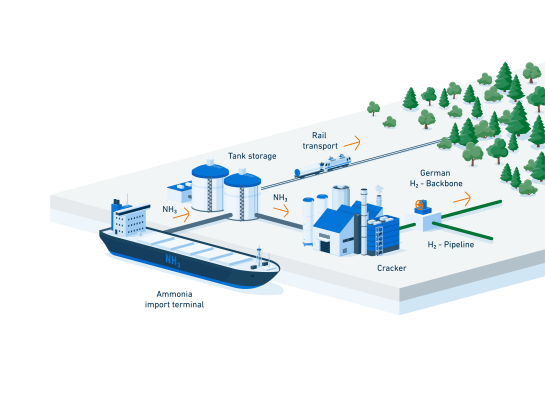
Once delivered, ammonia will be unloaded and processed through a large-scale cracking facility, where it is split to produce hydrogen
-
By ICN Bureau | May 18, 2026
The planned Wilhelmshaven hydrogen import terminal is set to become a major entry point for hydrogen supplies into Germany, with a system designed to bring in energy in the form of ammonia and convert it on-site into usable hydrogen.
Once delivered, ammonia will be unloaded and processed through a large-scale cracking facility, where it is split to produce hydrogen.
That hydrogen will then be injected directly into Germany’s core hydrogen network, strengthening the country’s emerging clean energy infrastructure. The site will also feature rail loading facilities, enabling the safe and efficient onward transport of ammonia by rail.
With an annual import capacity of up to 2.6 million tons of ammonia—equivalent to around 350,000 tons of hydrogen—the project is positioned as a cornerstone of Germany’s future hydrogen economy.
The Open Season consists of two consecutive phases.
In the first phase, market participants submit an Expression of Interest, indicating desired capacity and paying a participation fee. This is followed by an allocation process in which capacity reservations are confirmed.
In the second phase, Heads of Terms are issued as the foundation for Terminal Use Agreements, which are then negotiated with participating shippers. The process concludes with the signing of binding agreements, formally securing capacity bookings at the terminal.