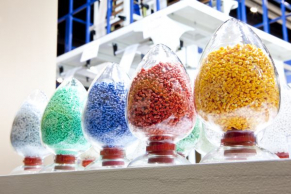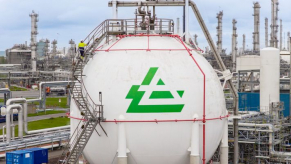
Input costs for commodity chemicals—including naphtha, ethylene, and benzene—have surged as they are directly linked to Brent crude benchmarks

The ongoing conflict involving Israel, the US, and Iran has placed the Indian chemical industry at the "eye of the storm". The sector faces a "double whammy" of skyrocketing input costs and severe logistical bottlenecks due to its deep integration with Middle Eastern supply chains.
Raw Material & Feedstock Crisis
The industry is heavily dependent on the Middle East for primary energy and chemical feedstocks, with 50–55% of India's crude oil and LNG passing through the now-disrupted Strait of Hormuz.
Price Surges: Input costs for commodity chemicals—including naphtha, ethylene, and benzene—have surged as they are directly linked to Brent crude benchmarks, which recently jumped toward $80–$90 per barrel.
Specific Feedstock Risks:
Methanol: India has an 87.7% exposure to the Hormuz corridor for methanol, a critical solvent for API and specialty chemical manufacturing.
Ethylene Glycol: Effectively 100% Hormuz-linked in India's import basket, affecting automotive coolants and polyester production.
Polymers: Prices for PE, PP, and PVC have already seen hikes of 6–8% in early March 2026.
Fertilizer & Agrochemical Disruptions
The conflict poses a direct threat to India's food security and the upcoming Kharif sowing season.
Import Dependency: India sources roughly 20–25% of its total fertilizers from Arabian Gulf countries.
Supply Shocks: Ammonia and Urea imports are severely hit, with Middle Eastern producers suspending offers due to shipping complications.
Financial Impact: Increased costs for raw materials like phosphoric acid and sulphur are squeezing margins for some fertilizer companies, as government intervention often limits their ability to pass on price hikes to farmers.
Logistics and Export Challenges
Logistical disruptions are significantly inflating the final cost of chemical goods.
Freight & Insurance: Freight rates for bulk drugs and chemicals have doubled in some cases, with surcharges ranging from $3,500 to $8,000 per shipment.
Transit Times: Rerouting ships around the Cape of Good Hope adds 25–30 days to journeys, increasing working capital requirements and delaying critical API deliveries.
Export Revenue: Companies with high revenue exposure to the Middle East are seeing their margins and shipment volumes come under pressure.
Impact on Manufacturing Clusters
Gas Slashes: In industrial hubs like Gujarat, gas supplies have been slashed by up to 50% following production halts in Qatar, directly stalling production in several chemical units.
Margin Compression: While firms holding existing inventory may see short-term gains from rising spot prices, most players face margin compression as they cannot immediately pass on the 10–20% rise in production costs to global consumers.
Subscribe to our newsletter & stay updated.