Ester Industries has reported a sharp contraction in margins for the December quarter as US trade tariffs and aggressive pricing by Chinese exporters squeezed its BOPET films business, even as volumes in specialty polymers and recycled PET (rPET) posted strong growth.
The polyester films and specialty polymers maker posted standalone total income of Rs. 254 crore in Q3 FY26, down 8.4% year-on-year, while EBITDA fell 67.6% to Rs. 14.3 crore. Margins narrowed to 5.7% from 15.9% a year ago, and the company slipped into a standalone loss of Rs. 4.9 crore.
On a consolidated basis, Q3 income declined 2.1% to Rs. 343.5 crore, with EBITDA plunging 67.7% to Rs. 21 crore. Consolidated margins dropped sharply to 6.1% from 18.5%, and PAT stood at a loss of Rs. 12.4 crore compared with a profit of Rs. 24.8 crore in the year-ago quarter.
For the nine months ended December 31, 2025, the picture was more mixed. Consolidated income rose 7.2% year-on-year to Rs. 1,047.6 crore, supported by steady demand for specialty polymers and rPET. However, EBITDA fell 46.1% to Rs. 67.3 crore, with margins compressing to 6.4%, while consolidated PAT declined to Rs. 11.7 crore.
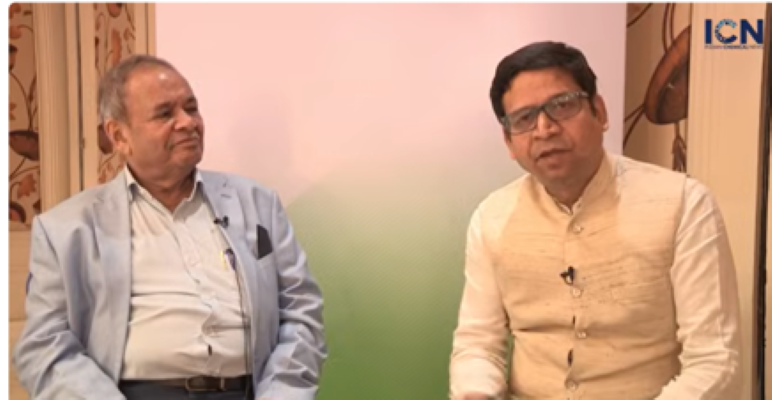
Commenting on the performance, Arvind Singhania, Chairman, Ester Industries said: “During the quarter ending December 2025, the company navigated a demanding external landscape characterized by significant margin pressure within the BOPET Film segment. This strain was primarily driven by US trade tariffs and the predatory pricing of BOPET Films exported from China into the Indian market.
"These trade tariffs specifically adversely affected the sales volumes of high-margin Value-Added and Specialty Films. However, the outlook is improving following the finalization of a trade deal between the US and India, which is expected to be formally signed by mid-March 2026.
"This agreement will reduce tariffs from 50% to 18%, a shift expected to boost margins and thereby performance in upcoming quarters. Furthermore, the Directorate General of Trade Remedies (DGTR) has initiated an anti-dumping investigation into BOPET Film imports from China and other nations. We expect an early resolution for the domestic industry.”
The company said macroeconomic volatility, including geopolitical uncertainty and a widening trade deficit, led to a sharp depreciation of the rupee against the US dollar and euro, resulting in mark-to-market losses and the reinstatement of foreign exchange liabilities during the nine-month period.
Despite these headwinds, Ester maintained the share of value-added and specialty films at 25% of BOPET volumes. Management noted early signs of recovery as Chinese manufacturers lower operating rates, even as aggressive competition continued to weigh on profitability.
Looking ahead, Singhania said the company remains optimistic about medium- to long-term prospects, citing India’s growth trajectory, free trade agreements with the EU and UK, and regulatory changes such as the Plastic Waste Management Rules pushing brand owners toward recycled-content films.
“Looking ahead, the company is optimistic about the medium-to-long-term prospects of the BOPET Films & other products offered by the company. India’s position as a fast-growing economy, combined with new free trade agreements with the EU and UK, is expected to boost demand for BOPET Films.
"Additionally, regulatory shifts like the Plastic Waste Management Rules (PWMR) are driving Brand Owners toward BOPET Films with varied degrees of recycled content. The company is actively collaborating with Brand Owners, Converters, and other eco-system partners to develop sustainable, techno-commercially viable solutions.
"By focusing on operational efficiency, capacity utilization, and advanced specialty products, the company remains committed to driving profitable growth and reducing its environmental footprint. Management thanks all stakeholders for their continued trust as the organization navigates this cycle to build a more resilient future.”
Operationally, consolidated polyester film capacity utilisation stood at 71% during the quarter, with value-added and specialty films accounting for a quarter of BOPET volumes. Excluding exports of value-added and specialty films to North America, volumes in the rest of the world rose 5% year-on-year in Q3 and 18% over the nine-month period.
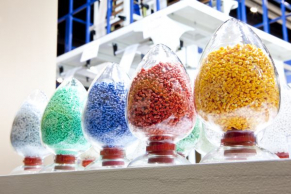
The sustainability portfolio delivered standout growth. rPET sales volumes jumped from 370 MT to 1,431 MT, with revenue surging nearly four-fold year-on-year to Rs. 15.2 crore on rising demand for sustainable packaging. Chips revenue also rose 2.5 times to Rs. 30.2 crore, driven by higher third-party sales.
Specialty polymers continued to outperform, with volumes rising 46.4% year-on-year to 1,063 MT in Q3 FY26. Revenue from the segment climbed 72.9% to Rs. 51.2 crore, reinforcing management’s strategy of pivoting toward higher-value, specialty-led growth even as near-term pressures persist in commodity films.