Hydrogen
Fraunhofer pushes breakthrough in clean hydrogen production
Fraunhofer ISE is betting big on catalytic reforming processes to make that transition viable
-
By ICN Bureau | April 27, 2026
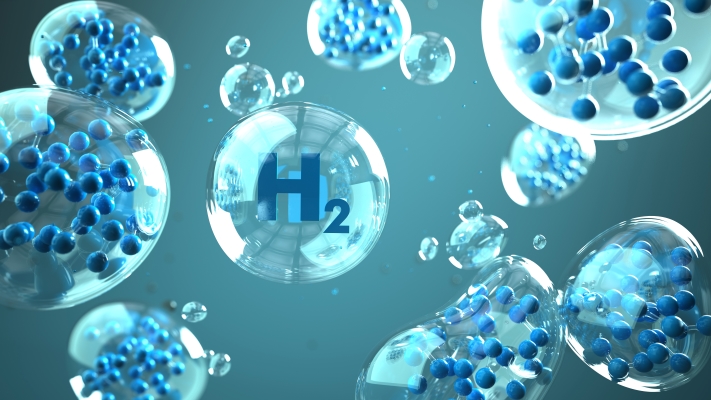
A new push toward scalable clean energy could reshape how hydrogen is produced and deployed worldwide, as Fraunhofer researchers accelerate development of thermochemical hydrogen production technologies using sustainable synthesis products.
At the heart of the innovation is a shift toward hydrogen derivatives such as ammonia, methanol, and dimethyl ether—substances that can already move through existing global infrastructure. Scientists say these carriers could unlock faster adoption of hydrogen across industries ranging from transportation to heavy manufacturing.
Fraunhofer ISE is betting big on catalytic reforming processes to make that transition viable. By converting these transportable molecules into hydrogen at scale, the technology aims to bridge a critical gap between production and end use—long considered one of the toughest barriers in the hydrogen economy.
A key breakthrough lies in electrically heated catalyst carriers, which enable compact reactor designs while dramatically improving efficiency. Unlike conventional systems, these reactors use renewable electricity to drive endothermal reactions, cutting emissions and allowing real-time responsiveness to fluctuating energy markets.
The technology builds on the CatVap process—originally developed for reducing emissions in combustion engines—and extends it to liquefied gases like ammonia and dimethyl ether. The goal: flexible deployment across engines, fuel cells, industrial burners, and furnaces.
Fraunhofer’s approach also includes large-scale reforming units for ports and industrial zones, alongside smaller decentralized systems. Both are designed to convert sustainable synthesis products into hydrogen on demand, offering a flexible and potentially cost-effective pathway to decarbonization.
With global demand for clean energy intensifying, Fraunhofer’s latest developments position thermochemical hydrogen production as a serious contender in the race to replace fossil fuels—offering a pathway that is not only cleaner, but also compatible with today’s energy infrastructure.