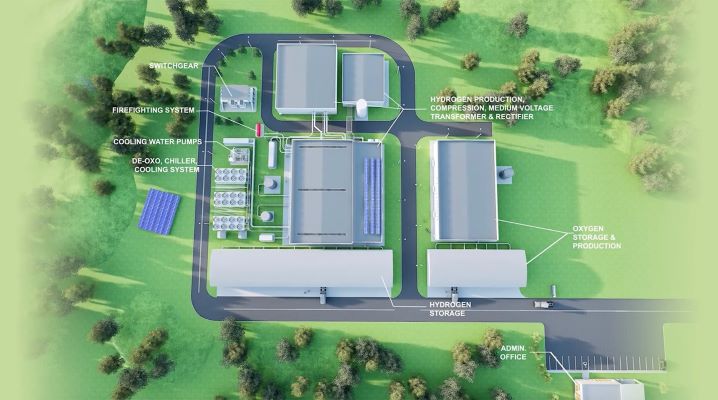
Aternium is accelerating its clean hydrogen ambitions, naming Siemens Energy as a key technology partner for a Front-End Engineering Design (FEED) study that will shape its planned hydrogen production facility.
The milestone signals a major step in the company’s effort to scale low-carbon energy infrastructure, with the study focused on refining design, improving efficiency, and preparing the project for execution.
The work will be carried out in collaboration with engineering firm Kiewit Engineering Group, Inc., which is handling the pre-FEED phase, alongside Siemens Energy’s hydrogen technology expertise.
“Being selected for the FEED study enables us to optimize and finalize a bespoke design for Aternium to prepare this project for execution,” said Dan Restrepo, Head of Sales for sustainable energy systems in the Americas at Siemens Energy.
Aternium says the facility is designed to meet rising global demand for clean hydrogen, with the FEED study zeroing in on standardization, engineering optimization, and strict safety and environmental performance targets.
The company is also expanding the project’s scope beyond hydrogen. Its model includes production of heavy water (deuterium), a material used in nuclear fusion research and in advanced manufacturing sectors including semiconductors, fiber-optics, OLED displays, and pharmaceuticals.
“This FEED study as it represents a cornerstone of our strategic plan to lead the hydrogen economy,” said Andrew Cottone, CEO of Aternium, Inc. “Partnering with Siemens Energy positions us to develop a hydrogen production facility that will reduce emissions in hard-to-decarbonize industries and contribute significantly to the global energy transition.”
Aternium says its broader Mid-Atlantic initiative will build a multi-plant hydrogen and heavy water infrastructure network aimed at supporting industrial decarbonization at scale.
The company, which develops clean hydrogen and heavy water production systems, describes its mission as making hydrogen “safe, continuous, and affordable” through the integration of chemical manufacturing and digital technology.