New initiatives are expected to support Epigral's next phase of growth and create a strong platform for expansion beyond FY29
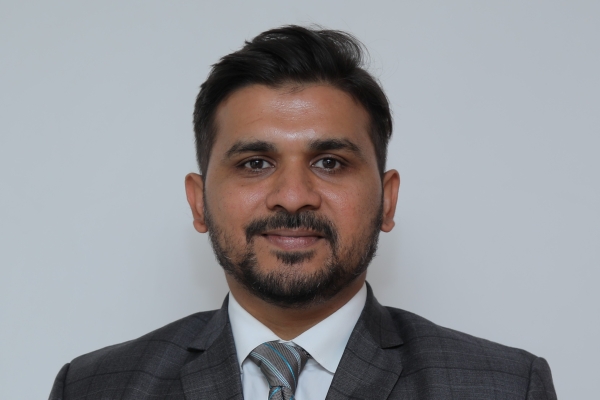
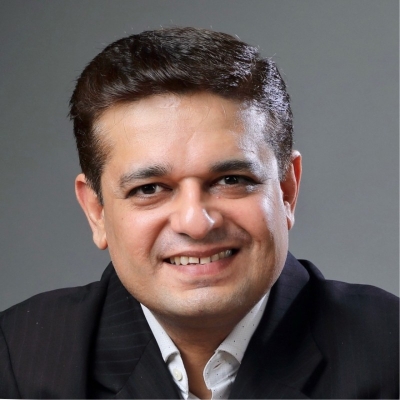
Maulik Patel, Chairman & Managing Director, Epigral
Epigral is targeting to become the largest manufacturer of Epichlorohydrin in India and the world’s largest CPVC resin producer by FY27. What strategic factors give you confidence in achieving this ambitious scale-up within such a short timeframe?
Epigral entered the Epichlorohydrin (ECH) and CPVC resin businesses in 2022 and has successfully commissioned and operated both plants within the planned timelines and budgets. Our existing capacities of 50 KTPA for ECH and 75 KTPA for CPVC resin are running efficiently, and strong market demand has encouraged us to double these capacities to 100 KTPA and 150 KTPA respectively.
Around 90% of the project work for ECH expansion has already been completed and we expect commercial operations to begin in Q2 FY27. As demand continues to grow, we will gradually ramp up production. This expansion will make us the largest ECH producer in India and the largest CPVC resin manufacturer globally by capacity.
Epigral is doubling CPVC Resin capacity to 150,000 TPA and Epichlorohydrin capacity to 100,000 TPA. What kind of domestic and global demand visibility are you seeing for these products over the next five years?
We see strong long-term demand for both CPVC resin and Epichlorohydrin. CPVC resin is primarily used in CPVC pipes for residential and commercial construction. Driven by growth in real estate, we expect CPVC demand to grow at 10–13 per cent annually. Additional opportunities are emerging in fire sprinkler systems and industrial applications which could further boost demand. We believe India's CPVC demand could reach 500 KTPA by 2030.
For Epichlorohydrin, the key end-use is epoxy resin, which is used in wind energy, automotive, construction, marine coatings, and industrial applications. Demand is also growing in sectors such as pharmaceuticals, water treatment, paper chemicals, and oil & gas. Overall, we expect ECH demand to grow by 10–15 per cent annually. Given these trends, we are confident that our expanded capacities will be well supported by market demand.
Epigral has transformed from a bulk chlor-alkali player into an integrated derivatives and specialty chemicals company with specialty products now contributing over 50% of revenue. How has this diversification strategy changed the company’s risk profile and profitability?
Diversification has been a key part of Epigral’s long-term growth strategy. We have expanded into products that strengthen our integrated manufacturing ecosystem by utilizing chlorine, hydrogen, and caustic soda produced within our facilities. This strategy has helped us serve a wider range of industries and customers, reducing dependence on any single product or sector. When one segment faces challenges, other products help balance performance. As a result, our earnings have become more predictable, stable, and resilient.
This was particularly visible during recent periods of weakness in the global chemical industry and ongoing geopolitical uncertainties. Our diversified product portfolio has enabled us to maintain sustainable growth despite market volatility.
The company recently commissioned India’s first Chlorotoluenes value chain plant. What opportunities does this create in agrochemicals, pharmaceuticals, and specialty intermediates and how significant can this business become in the future?
Epigral is the first company in India to establish a backward-integrated Chlorotoluenes value chain. Over the past year, we focused on product trials, customer approvals, and qualification processes. We are now gradually increasing supplies to customers and expect this business to start making a sizeable contribution to revenue in FY27, with further scale-up in FY28. This segment opens up new stream for us both in terms of industry and customer base and provides us strong foundation for developing additional downstream products and creating new growth avenues in future.
Despite challenging market conditions in FY26, Epigral maintained healthy EBITDA margins through operational efficiency and product mix improvements. What specific cost optimization and integration initiatives helped protect margins?
FY26 was a challenging year for the chemical industry due to global geopolitical developments and trade-related uncertainties. Despite these headwinds, we delivered an EBITDA margin of around 22 per cent. Margins were supported by our diversified product portfolio, which helped offset temporary challenges in specific businesses. During the year, one of our caustic soda plants underwent major maintenance, and certain products saw lower demand due to an extended monsoon season. However, utilization levels improved significantly after November as maintenance activities were completed and demand recovered. This led to strong volume and value growth in the fourth quarter. We believe our integrated operations, operational efficiencies, and diversified product mix helped us remain resilient throughout the year.
The company has acquired an additional land for future growth projects and mentioned work on “new chemistry” initiatives. Could you share more about the strategic direction of these upcoming chemistries and the sectors they may target?
India's growing economy and rising demand for high-quality products are creating opportunities across several chemical segments. We are evaluating new chemistries that are currently heavily dependent on imports and offer attractive long-term growth potential. The project under evaluation is expected to be a large-scale investment and detailed studies are currently underway. Once finalized, we will share more details with our stakeholders. New initiatives are expected to support Epigral's next phase of growth and create a strong platform for expansion beyond FY29.
Epigral has invested heavily in downstream integration using chlorine and hydrogen co-products. How important is backward and forward integration in building long-term competitiveness in the Indian chemical industry?
Integration is one of the key strengths of our business model. By converting chlorine and hydrogen into higher-value downstream products, we improve resource utilization and enhance profitability. An integrated manufacturing structure provides better cost efficiency, feedstock security, and operational flexibility. It allows us to optimize production across multiple product lines and respond quickly to changing market conditions. In addition, value-added derivatives help maximize returns from basic chemical inputs like Chlorine, making our operations more competitive and sustainable over long term and helps company to generate additional revenue.
CPVC compound business was launched to cater to a broader pipe manufacturing ecosystem. How has customer response been so far, and how do you plan to strengthen your market share in India’s CPVC segment?
The CPVC compound business delivered encouraging growth during FY26 and has gained good acceptance among customers.
We currently supply CPVC to a growing number of pipe manufacturers, and feedback on product quality has been very positive. As customer relationships deepen, we are seeing increasing order volumes and stronger market traction. We expect the business to continue growing steadily in FY27.
R&D center in Ahmedabad is working on downstream molecules in the Chlorotoluene value chain and specialty products. Which innovation areas currently hold the highest commercialization potential for Epigral?
Epigral’s R&D efforts are focused on developing high-value specialty products, particularly within the Chlorotoluenes platform and other import-substitution opportunities. Key areas include advanced Chlorotoluene derivatives, custom molecules for pharmaceutical and agrochemical customers, and process innovations that improve efficiency and reduce costs. To accelerate commercialization, we are setting up pilot plant facilities that will help validate product quality, optimize manufacturing processes, and secure customer approvals before large-scale production. These capabilities will support faster development of new products and strengthen our specialty chemicals portfolio.
Indian specialty chemicals industry continues to face pricing pressure from Chinese oversupply. How is Epigral positioning itself to remain competitive amid global price volatility and geopolitical uncertainty?
For Epigral, many of our key products, including chlor-alkali products, CMS, and hydrogen peroxide, face limited competition from Chinese imports. Even in products such as ECH and CPVC, China is not the dominant supplier to India. We remain competitive by continuously improving process efficiencies, enhancing product quality, and leveraging our integrated manufacturing advantages. Additionally, government measures against unfair dumping practices help create a more balanced competitive environment. Our focus remains on operational excellence, cost competitiveness, and serving customer requirements reliably.
Epigral has expanded its wind-solar hybrid power capacity and emphasized sustainability-led manufacturing. What is the present ratio of renewable energy in the overall energy requirement and what is the way forward?
Epigral currently operate 18.34 MW of wind-solar hybrid power capacity which is around 8–9% of our total power requirement. We are now adding another 19.8 MW, taking total renewable capacity to 38.14 MW. Once operational, renewable energy is expected to contribute around 15% of our overall power needs. As our derivatives and specialty chemicals businesses continue to expand, we plan to further increase renewable energy capacity. This supports both sustainability goals and long-term cost optimization.
Digitalization and automation are increasingly becoming central to modern chemical manufacturing. What technologies has Epigral implemented to improve process safety, operational efficiency, and plant reliability?
At Epigral, digitalization and automation are key enablers of operational excellence. The company continues to strengthen its manufacturing capabilities through the adoption of digital tools, advanced monitoring systems, and process optimization initiatives aimed at enhancing safety, efficiency, and reliability.
Safety is embedded across operations through continuous employee training, capability-building programs and proactive risk management practices. The company also focuses on improving operational resilience by leveraging technology to optimize plant performance, enhance process control, and ensure higher reliability across its integrated manufacturing facilities.
India is emerging as a global specialty chemical manufacturing hub under the China+1 strategy. What policy and infrastructure improvements would further strengthen India’s competitiveness globally?
India has a strong opportunity to establish itself as a global specialty chemical manufacturing hub. To accelerate this growth, a few key policy and infrastructure initiatives can make a significant difference.
First, the development of more integrated chemical manufacturing zones, similar to the PCPIR region in Dahej, would help create world-class ecosystems with shared infrastructure, logistics, utilities, and supply chain efficiencies.
Second, ensuring ready-to-use industrial infrastructure, including land, power, water, ports, and transportation connectivity, would enable faster project execution and attract greater investments.
Third, chemical and specialty chemical companies play a critical role in supporting sectors such as agriculture, pharmaceuticals, infrastructure, and manufacturing. Extending incentives similar to other manufacturing sectors can encourage these companies to lower operating costs, and reduce carbon emissions. Such support would strengthen the global competitiveness of Indian manufacturers, attract fresh investments, and accelerate the industry's transition towards more sustainable production practices.
Finally, while continued government support against unfair dumping remains essential to protect domestic manufacturing and encourage investments, equal focus should be placed on fostering innovation. Encouraging partnerships between chemical companies, universities, and research institutions through dedicated R&D grants, incubation centres, and innovation hubs can accelerate product development, strengthen indigenous technology capabilities, and help Indian chemical manufacturers move up the value chain.
The company aims to become a globally recognized integrated multi-product chemical player by 2032. What are the key milestones that investors and industry stakeholders should watch over the next five years?
Our focus is not just on increasing scale but on building a diversified and sustainable specialty chemicals business.
Over the last five years we have diversified our products and currently we are a multi-product chemical company but for us it is still work in progress. In the coming years, stakeholders should watch for the successful commissioning and ramp-up of our ECH and CPVC expansions, entry into new chemistries, and continued growth in derivatives and specialty products.
We will continue identifying products with strong long-term demand, expanding our portfolio, and building new growth engines. With India's chemical demand expected to grow significantly, we see substantial opportunities to strengthen our position as a leading integrated specialty chemicals company.
What's your Capex plan for FY 2026-27 and projects where you are investing?
In FY27, we expect to commission the expanded capacities of both our CPVC and ECH plants, effectively doubling their existing capacities. A small portion of our capital expenditure will be directed towards completing these projects, which are expected to be commissioned by Q2 FY27. In addition, the management team is actively evaluating and developing new chemistry opportunities, and the remaining Capex will be allocated towards these growth initiatives. Overall, we expect to incur capital expenditure of approximately Rs. 350–400 crore during FY27.
Subscribe to our newsletter & stay updated.