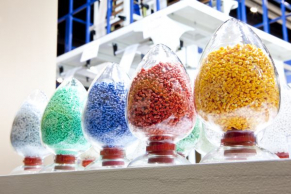
The immediate pilot package targets the plastics sector with concrete short-term actions to support circularity
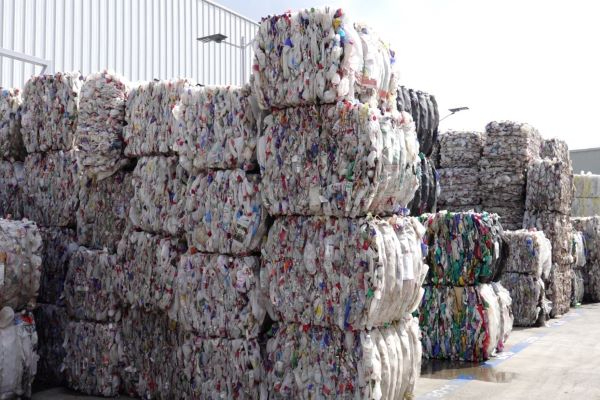
The European Commission has unveiled a sweeping set of pilot measures aimed at turbocharging Europe’s shift to a circular economy, with a sharp focus on plastics.
“By optimising the recycling of plastics, these measures will further unlock the potential of the Single Market and enhance the EU's economic security, strategic autonomy, competitiveness and environmental sustainability,” the Commission said, citing the Draghi report, which underscores circularity and resource efficiency as key levers for industrial competitiveness.
The Commission’s strategy comes in two steps. The immediate pilot package targets the plastics sector with concrete short-term actions to support circularity, while spurring investment and innovation. In 2026, a broader Circular Economy Act is expected, introducing horizontal measures to improve the Single Market for secondary raw materials.
Circularity could transform the plastics industry. According to the European Commission’s Joint Research Centre, “circular solutions can cut the sector's climate-related emissions by 45%, decarbonise energy use, and improve the sector's trade balance by €18 billion per year by 2050.”
But the sector faces mounting pressures: fragmented recycled material markets, high energy costs, volatile virgin plastic prices, and unfair competition from outside the EU. These challenges are already causing financial losses and reduced capacity use, threatening both circularity targets and industrial competitiveness.
The Commission is tackling market fragmentation head-on. Today’s package includes an implementing act to create EU-wide end-of-waste criteria for plastics under the Waste Framework Directive.
“Setting EU-wide standards on when recycled materials are again considered materials for re-use is a key step to establish a Single Market for recycled plastics, simplify administrative procedures for recyclers, particularly small and medium-sized enterprises, and ensure a stable supply of high-quality recyclates across Europe,” the Commission said. Public feedback on the draft act is open until 26 January 2026.
Additionally, an implementing act on recycled content for PET single-use plastic bottles under the Single-Use Plastics Directive is up for Member State vote. These rules are expected to unlock new opportunities for chemical recyclers.
“A clearer regulatory framework is also expected to improve legal certainty, helping to unlock investment in chemical recycling across Europe,” the Commission added.
The Commission will also relaunch and strengthen the Circular Plastics Alliance, a platform for industry, Member States, and the Commission to jointly address competitiveness and circularity challenges in the plastics sector.
To level the playing field, the EU is creating separate customs codes for virgin and recycled plastics, aiding enforcement of EU rules on imports. Monitoring of EU and global plastic markets will inform potential trade measures to protect domestic producers. The Commission plans to review these measures in 2026.
Backing Innovation and Investment
Support for circular projects will be boosted through national banks and the European Investment Bank. A pilot Competitiveness Coordination Tool (CCT) will promote Trans-Regional Circularity Hubs, encouraging smart specialization and cross-border collaboration to scale up recycling.
Evaluating the Single-Use Plastics Directive
The Commission has launched a public consultation to evaluate the Single-Use Plastics Directive.
“This is the first step in examining how well the Directive has reduced the impact of certain plastic products on the marine environment and on human health, while promoting a circular, innovative and sustainable economy.” The consultation runs until 17 March 2026.
However, Europe still has work to do. Only 12.2% of materials used in the EU came from recycled sources in 2024, up slightly from 11.2% in 2015. To meet EU legislative targets and ambitions outlined in the Competitiveness Compass, Clean Industrial Deal, and REsourceEU plan, barriers to circular practices must be removed.
The EU aims to become a global circular economy leader by 2030. “By focusing on key sectors and introducing targeted practical measures, this package sets the stage for a robust Circular Economy Act in 2026,” the Commission said.
Subscribe to our newsletter & stay updated.