Evonik is stepping up its role in the emerging chemical recycling sector, developing specialized catalysts and adsorbents designed to improve the quality of pyrolysis oil—a key output of plastic waste recycling.
In pyrolysis, plastic waste is broken down at high temperatures in the absence of oxygen into basic chemical building blocks. The resulting pyrolysis oil can be used alongside fossil feedstocks such as naphtha from crude oil and is later processed in steam crackers to produce essential raw materials like ethylene and propylene for new plastics.
But the process comes with a problem: contamination. Pyrolysis oil often contains impurities including chlorine, nitrogen, and silicon, which can disrupt steam cracker operations and raise safety risks.
“Cracker operators apply strict quality standards to the feedstocks they use,” says Hendrick Rasch, who is responsible for Circular Packaging and Plastics Recycling in Evonik’s Next Markets Program. “This is precisely where our products come in. They help to significantly improve the quality of pyrolysis oil.”
Evonik says it has been building its purification technologies for years, drawing on its expertise in petrochemicals and feedstock processing. Its Purocel product line is designed to strip out contaminants from pyrolysis oil, with one flagship solution, Purocel 505, combining catalytic and adsorption steps to target chlorine compounds.
First, chlorine atoms are separated from larger molecules through a catalytic reaction. Then the resulting hydrogen chloride is captured. According to the company, the system removes up to three times more chlorides than conventional alternatives.
For more demanding applications, Evonik combines adsorption with hydrotreating, using hydrogen to convert remaining impurities into volatile compounds. The process is further optimized through the reuse of recycled Purocel H catalysts.
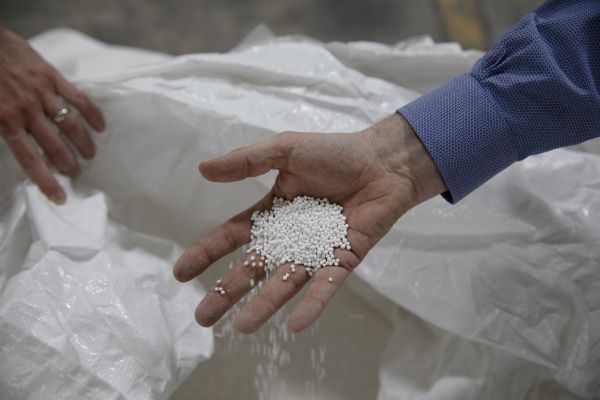
Beyond chemistry, Evonik is also offering modular system solutions aimed at simplifying integration into existing infrastructure. Its Rocket Technology uses pre-configured column modules filled with adsorbents such as Purocel 510, which can be connected directly to pyrolysis plants and steam crackers to enable on-site purification with reduced downtime and investment costs.
“Our solutions demonstrate how technological innovation can advance the circular economy,” says Rasch. “We are convinced that chemical recycling is a key pillar of a sustainable plastics economy.”
The push comes as chemical recycling gains momentum worldwide, supported by tightening regulations and growing pressure to reduce plastic waste. While mechanical recycling remains effective for clean streams like PET bottles, it struggles with mixed and contaminated plastics—exactly the gap chemical recycling is meant to fill.
Evonik is positioning itself as a system partner across this value chain, from small pyrolysis installations to large petrochemical complexes.
The company argues its technologies not only support circularity, but also strengthen industrial resilience by reducing reliance on fossil feedstocks, cutting environmental impact, and improving supply security.