Initiative reduced product carbon footprint (PCF) by an average of 19 percent in 2025; similar PCF levels expected in 2026 and subsequent years
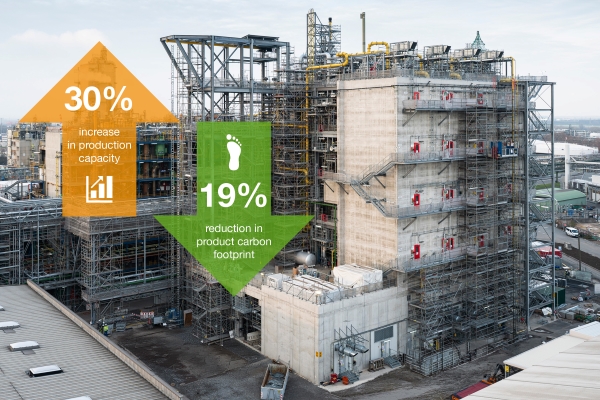
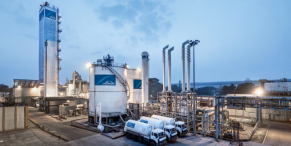
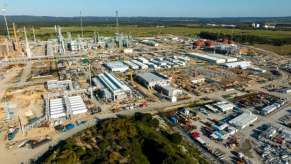
A view of the new part of the production plant for acid chlorides and chloroformates in Ludwigshafen during the final phase of the revamp: Producing acid chlorides and chloroformates using renewable electricity certificates reduces the product carbon footprint by an average of 19 percent. Photo: BASF
BASF’s Intermediates division has shifted its entire Ludwigshafen-produced portfolio of acid chlorides and chloroformates to 100% renewable electricity. Since early 2025, the site has utilized renewable energy credits to power the production of approximately 25 products, covering the entire process from raw materials to final output.
BASF's Intermediates division has reduced its product carbon footprint (PCF) by an average of 19% as of 2025, with similar reductions expected in 2026 and beyond. This transition allows customers to achieve a seamless, no-effort change with no recertification or ordering modifications, while supporting lower Scope 3 emission goals.
These sustainability benefits are amplified by the startup of a fully modernized production asset at the Ludwigshafen Verbund site. The modernization project increases BASF’s production capacity for chloroformates and acid chlorides by approximately 30 percent, meaning that the PCF improvements now apply across a significantly larger product volume while supporting long‑term supply security and meeting growing global demand.
Alisha Van Dyck, Vice President Business Management Acetylenics, Carbonyl Derivatives, Acids & Polyalcohols Europe in BASF’s Intermediates division, explains: “Modernizing our asset and converting to renewable electricity means our customers for acid chlorides and chloroformates don’t have to choose between sustainability and availability. This move reflects our commitment to translating our customers’ needs into concrete, verifiable CO₂ reductions across their value chains.”
This conversion is another milestone in BASF’s broader ambition to be the preferred chemical company to enable its customers’ green transformation. It follows last year’s global switch of BASF’s amines portfolio to renewable electricity and reflects ongoing efforts to expand the use of renewable electricity and more sustainable practices across BASF’s global intermediates business.
BASF already offers biobased or biomass balanced (BMB)3 variants for several acid chlorides and chloroformates. These include biobased products such as palmitoyl chloride, octanoyl chloride and ethyl chloroformate, as well as biomass balanced (BMB) variants for isononanoyl chloride. With the full portfolio of acid chlorides and chloroformates now produced using renewable electricity credits, BASF is taking another meaningful step towards transforming its portfolio, thus providing customers worldwide with additional, seamless opportunities to reduce their carbon footprint without any changes to product specifications or processes.
BASF is one of the world's leading manufacturers of chloroformates, acid chlorides and alkyl chlorides, with an annual capacity of 60,000 metric tons and production facilities in Ludwigshafen, Germany, and Yeosu, Korea.
Subscribe to our newsletter & stay updated.