At India Energy Week 2026, policymakers and industry leaders zeroed in on the critical pillars shaping India’s energy transition: LNG affordability, robust City Gas Distribution (CGD) networks, electrification, and long-term energy demand.
Across high-level panels, speakers highlighted India’s expanding global energy footprint and the need for coordinated policy, investment, and technological innovation.
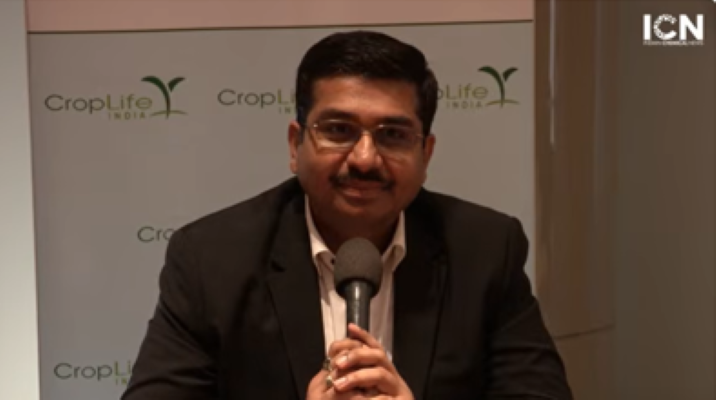
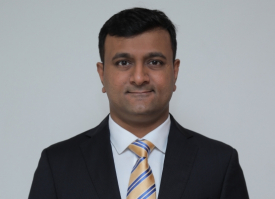
During the Leadership Panel on Managing Global LNG Supply and Demand Dynamics, Akshay Kumar Singh, Managing Director and CEO of Petronet LNG, underscored affordability as the cornerstone for natural gas adoption in India.
“LNG prices in the range of USD 6–7/MMBtu are essential to attract new consumers and enable a stable, long-term demand trajectory,” he said, pointing to transport, power generation, and city gas distribution as key sectors.
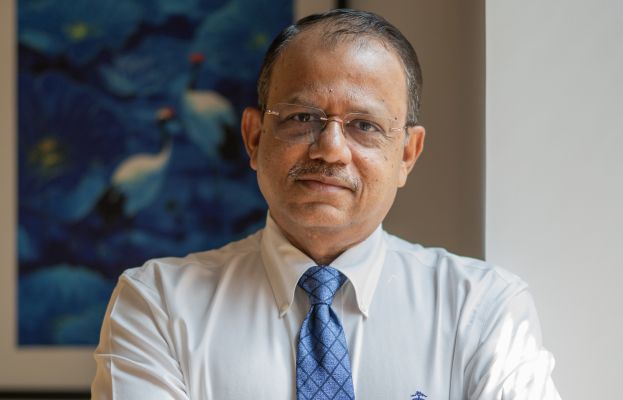
The Leadership Panel on Establishing Global Models for City Gas Distribution Networks examined strategies to expand CGD networks. Goutom Chakraborty, CEO of GAIL Gas Limited, stressed, “Pipeline connectivity, network scale, and coordinated trunk and city-level planning ensure operational efficiency, reliability, and affordability.”
Abhilesh Gupta, MD and CEO of Indraprastha Gas Limited, shared lessons from mature CGD markets, highlighting PNG and CNG expansion, safety standards, and consumer trust as key to sustained adoption.
Suresh Manglani, Executive Director and CEO of Adani Total Gas Limited, called for coordinated messaging between policymakers and industry, proposing a “Prajjwala” approach to move beyond access toward sustained use of cleaner fuels.
Abderrezak Benyoucef, Head of the Energy Studies Department at OPEC, presented the World Oil Outlook 2025, projecting India as the largest contributor to global energy demand growth through 2050. He reported that India is expected to add 8.2 million barrels per day of oil demand by 2050, fueled by transportation, industry, and petrochemicals.
“India’s primary energy demand will nearly double, with oil, gas, and renewables complementing each other in a balanced energy mix,” he said, emphasizing the country’s central role in global economic growth and energy consumption.
The Transition Stage Leadership Panel on Transitioning to an Electrostate focused on electricity as a driver of economic growth, energy security, and decarbonization.
Panelists, including Ahmed Al Kaabi (UAE), Naveen Srivastava (Power Grid Corporation of India), Ghanshyam Prasad (Central Electricity Authority), Suman Chandra (MNRE), and Prince Dhawan (REC Limited), highlighted electrification, grid expansion, and digitalisation as crucial for a clean and resilient energy system.
Ahmed Al Kaabi emphasized the role of partnerships, innovation, and decentralized energy systems in enhancing grid resilience. Shri Prince Dhawan detailed India’s power distribution transformation under the Revamped Distribution Sector Scheme (RDSS), noting, “Results-linked investments, smart metering, and governance reforms are strengthening the operational and financial health of distribution companies, enabling smarter and more resilient grids.”
As India positions itself at the forefront of global energy demand and innovation, day two of India Energy Week reinforced that affordability, infrastructure, and electrification are non-negotiable pillars for a sustainable energy future.