Urea output has surged sharply—from 225 LMT in 2014–15 to a record 314.07 LMT in 2023–24, and remained strong at 306.67 LMT in 2024–25
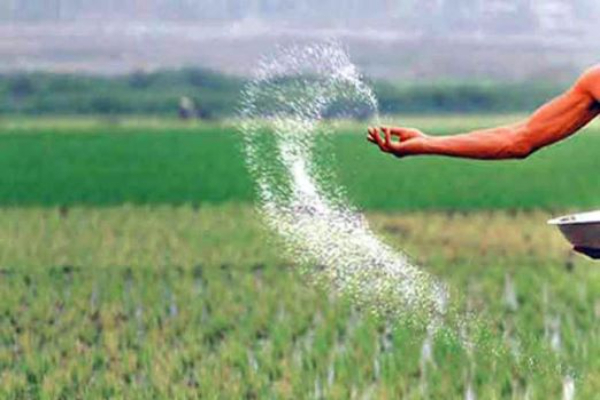
India is rapidly accelerating its drive toward fertilizer self-reliance under the Atmanirbhar Bharat mission, as global supply chains face severe disruption from geopolitical tensions in West Asia, surging natural gas prices, and delayed shipping routes.
Despite the external pressure, the government has maintained uninterrupted fertilizer availability for the upcoming Kharif 2026 season through aggressive domestic expansion, diversified sourcing, and coordinated crisis management.
Domestic production hits historic highs
Over the past 12 years (2014–2026), India’s fertilizer sector has undergone a major capacity transformation.
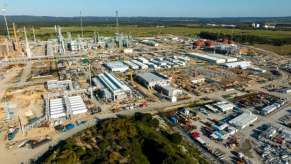
Six new mega urea plants have been commissioned since 2014, boosting annual capacity by 76.2 LMT. Two additional high-capacity plants, with a combined 25.4 LMT annual capacity, are expected to begin production soon.
Urea output has surged sharply—from 225 LMT in 2014–15 to a record 314.07 LMT in 2023–24, and remained strong at 306.67 LMT in 2024–25.
Phosphatic and Potassic (P&K) fertilizer production has followed a similar trajectory, reaching an all-time high of 211.22 LMT in 2024–25, up from 159.54 LMT in 2014–15, with further capacity expansion underway in both public and private sectors.
Crisis response
Faced with disruptions around the Strait of Hormuz, the government activated alternative trade routes and intensified diplomatic engagement with global suppliers.
Under PM Modi’s direct guidance, seven Empowered Groups of Secretaries were formed, with the Fertilizer Secretary leading 10 high-level review meetings to ensure inter-ministerial coordination and stabilize natural gas supply with the Ministry of Petroleum and Natural Gas.
Strong buffer stock for Kharif 2026
Against a revised demand estimate of 383.9 LMT by DA&FW, India currently holds a fertilizer stock position of around 195.79 LMT—crossing the 51% mark for the upcoming season. The opening stock stands at approximately 200.98 LMT, reflecting a buffer significantly higher than the traditional 33% benchmark.
Post-crisis production has added another 118.15 LMT, while imports and joint global procurement efforts have contributed an additional 153.79 LMT to overall availability.
Deep subsidy shield for farmers
India continues to heavily insulate farmers from global price volatility through deep subsidies:
Urea: global prices exceed Rs. 4,100 per bag, while Indian farmers pay just Rs. 266.5 for a 45-kg bag.
DAP: global rates above Rs. 5,000 per 50-kg bag are supplied domestically at Rs. 1,350.
Shift toward sustainable agriculture
A nationwide awareness push from March to May has accelerated adoption of sustainable inputs.
Farmers have shown strong uptake of eco-friendly alternatives:
* Sales of Fortified Organic Manure (FOM), Liquid FOM (LFOM), and Phosphate-Rich Organic Manure (PROM) have risen to seven times the levels of FY 2024–25.
* Ammonium Sulphate consumption has increased by nearly 60,000 tonnes.
* Green manuring has expanded to a record 1.84 lakh hectares under guidance from Krishi Vigyan Kendras (KVKs).
Bottom line
India’s fertilizer system remains stable, well-stocked, and increasingly self-reliant. With expanding domestic production, diversified sourcing, and strong policy coordination, the country has maintained uninterrupted supply while shielding farmers from global shocks and ensuring affordable access to key agricultural inputs.
Subscribe to our newsletter & stay updated.