Officials warned of mounting pressure from the Gulf region—critical to India’s energy and fertilizer lifelines—but insisted contingency systems are fully activated and holding.
Indian government has mounted an aggressive, multi-ministry response to the escalating crisis in West Asia, seeking to reassure citizens on fuel, fertilizer supplies and the safety of Indians abroad—even as global supply chains strain and prices surge.
At a high-level media briefing at the National Media Centre on Sunday, officials warned of mounting pressure from the Gulf region—critical to India’s energy and fertilizer lifelines—but insisted contingency systems are fully activated and holding.
Fertilizer supply under stress, stocks strong
India’s heavy reliance on the Gulf—supplying up to 30% of urea and DAP imports and nearly half of LNG used in fertilizer production—has left the sector exposed. Prices of key inputs like LNG, ammonia and sulphur have spiked globally, squeezing domestic production.
Yet the government struck a confident tone.
Officials said, “As on today, adequate stock of all types of fertilizers is available in the country. No major requirement of any fertilizers in the upcoming 2.5 months.”
Current stockpiles stand at 180 lakh tonnes, significantly higher than last year’s 147 lakh tonnes, as authorities use the lean April–May period to build reserves ahead of the crucial Kharif season.
Production has taken a hit, but mitigation is underway. Gas supply to urea plants—once cut to 60%—has now been restored to as high as 80%, boosting daily output and limiting losses.
To plug gaps, India has moved swiftly on imports, securing long-term and diversified supply lines from countries including Russia, Saudi Arabia, Oman and Morocco, while 16 Indian missions worldwide scout additional sources.
A 24×7 war room is now tracking fertilizer movement nationwide. The message from the Centre was unequivocal: “There is no need of any panic.”
Fuel supply stable despite Hormuz shock
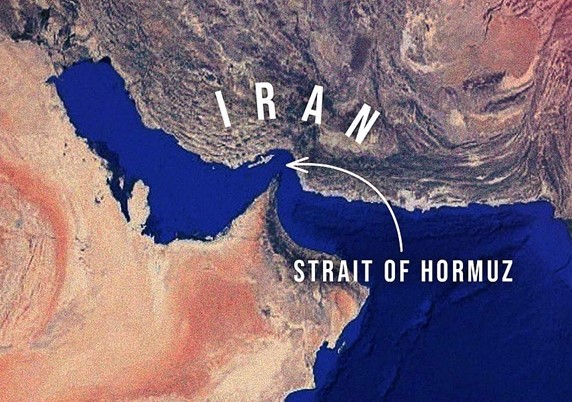
With tensions disrupting the Strait of Hormuz—a vital artery for global oil—the government acknowledged scattered panic buying but stressed that fuel supplies remain secure.
“All retail outlets are operating normally across the country,” officials said, adding that adequate stocks of petrol and diesel are available at all petrol pumps across the country.
To stabilize domestic supply, the Centre has cut excise duty on petrol and diesel by ₹10 per litre, imposed export levies on diesel and aviation fuel, boosted refinery output and LPG production.
Still, LPG remains under strain. Supplies are being rationed and prioritized, with commercial availability now restored to 70% of pre-crisis levels.
Authorities flagged misinformation as a key risk driver: "The Government has reiterated its advice to the public not to believe rumours.”
Crackdown on hoarding, states on alert
Enforcement has intensified nationwide. In just 24 hours: 2,500+ raids were conducted, 2,000+ LPG cylinders seized.
States have been ordered to launch daily briefings, counter fake news and crack down on black marketing under the Essential Commodities Act.
Control rooms are active across nearly all states, while oil companies conduct surprise inspections to keep supply chains clean.
Shipping stable, Indian seafarers safe
Despite heightened risks in the Persian Gulf, authorities reported no incidents involving Indian vessels.
“All Indian seafarers in the region are safe and no incident involving Indian-flagged vessels has been reported in the past 24 hours.”
Currently, 18 Indian-flagged ships remain in the region, with 485 Indian seafarers onboard.
Over 950 seafarers have already been repatriated.
Critical shipments are still moving. Two major LPG carriers recently transited the Strait of Hormuz safely and are en route to Indian ports.
Massive evacuation effort
The Ministry of External Affairs confirmed that over 5.5 lakh Indians have returned home since late February, as airspace disruptions forced rerouting across multiple countries.
Flights remain limited but are steadily increasing. Alternative evacuation routes through countries like Egypt, Jordan, Armenia and Azerbaijan are being actively used.
A dedicated control room and 24×7 helplines continue to assist Indians abroad.
Diplomatic push at the highest level
Prime Minister Narendra Modi spoke with Saudi Crown Prince Mohammed bin Salman, emphasizing energy security and safe maritime routes.
India reiterated its stance against attacks on critical infrastructure and called for keeping global shipping lanes open.
Human toll emerges
Even as large-scale evacuation continues, tragedy has struck. An Indian national was killed in an attack in Kuwait, while overall 8 Indians have died and one remains missing in the region.
Authorities said missions are working closely with families and local governments.
Government’s bottom line
Across sectors, the government’s message was consistent and forceful: Supplies are being managed; Systems are under constant monitoring; Panic must be avoided.
As officials put it: “The Government is making all efforts to ensure availability of petrol, diesel and LPG.” “Citizens are advised to avoid panic purchase and unnecessary LPG bookings.”
With global tensions still volatile, India’s response has shifted into full crisis-management mode—balancing diplomacy, logistics and public reassurance in what could become a prolonged disruption.
Subscribe to our newsletter & stay updated.



_195_291.jpg)