Technology
Nextchem wins major feasibility studies for advanced plastic upcycling in Africa and Asia
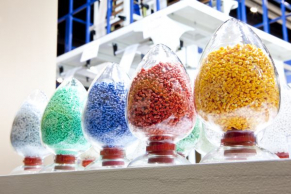
The projects will transform post-consumer and post-industrial polyolefin waste into high-quality compounded r‑polymers with technical properties matching virgin materials
-
By ICN Bureau | March 27, 2026
Nextchem, part of MAIRE, has been awarded two feasibility studies for cutting-edge mechanical upcycling and compounding plants in Southern Africa and Southeast Asia, leveraging its proprietary NXReplast technology.
The projects will transform post-consumer and post-industrial polyolefin waste into high-quality compounded r‑polymers with technical properties matching virgin materials.
NXReplast provides a complete solution for the rapid deployment of advanced mechanical upcycling and compounding facilities, offering a clear advantage over standard commodity grades.
The Southern Africa project targets processing roughly 25 kilo‑tonnes per annum (KTPA) of polyolefin waste. Developed by a major local industrial player, it represents one of the region’s first circular initiatives, promoting sustainable materials and resource efficiency in a cost-effective manner.
Nextchem’s feasibility study will include process configuration, cost evaluation, and preliminary engineering.
Meanwhile, in Southeast Asia, Nextchem has been selected by a leading regional operator to develop a feasibility study for a 40 KTPA plant using the same NXReplast technology.
“These new awards confirm the global reach of our circular technology offering,” said Fabio Fritelli, Managing Director of Nextchem. “They also demonstrate how our technological platform is increasingly selected as a reliable, competitive, and scalable solution for advanced plastic upcycling also in new markets, supporting international partners in shaping high impact sustainability roadmaps through proven engineering capabilities and cost-efficient solutions.”
These projects underscore the international relevance of Nextchem’s technology and its growing role in tackling global plastic waste challenges through a circular economy approach.