Spray Engineering Devices Limited (SED) has landed yet another vote of confidence from Laxmi Organic Industries, locking in its eighth repeat contract in a partnership that continues to deepen as industrial water challenges grow more urgent.
The latest deal will see SED design, manufacture, and commission a 100 KLD Low Temperature Evaporation (LTE) system—an essential pillar of Laxmi Organic’s Zero Liquid Discharge (ZLD) strategy. Built on Mechanical Vapour Recompression (MVR) technology, the system is engineered to tackle some of the toughest wastewater streams in the chemical sector, while sharply cutting energy use.
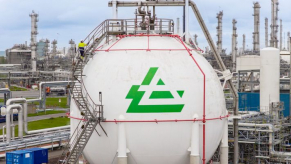
At the heart of the project is a high-performance setup that includes a stripper column for removing volatile organics alongside an advanced MVR-based evaporator. The system will be deployed at Laxmi Organic’s Dahej facility in Gujarat, a major manufacturing hub handling continuous effluent loads from multiple chemical units.
The scale of the challenge is significant. The plant’s wastewater carries extremely high contamination levels—Total Dissolved Solids (TDS) of 106,000 ppm and Chemical Oxygen Demand (COD) of 95,000 ppm. Even so, the new system is expected to recover up to 77,000 litres of clean water every day, feeding it back into plant operations and reducing dependence on fresh water.
For industries like pharmaceuticals and specialty chemicals, managing such complex effluents is no longer optional—it is mission-critical. Rising regulatory pressure and increasing water scarcity are accelerating the shift toward closed-loop systems that maximize reuse and efficiency.
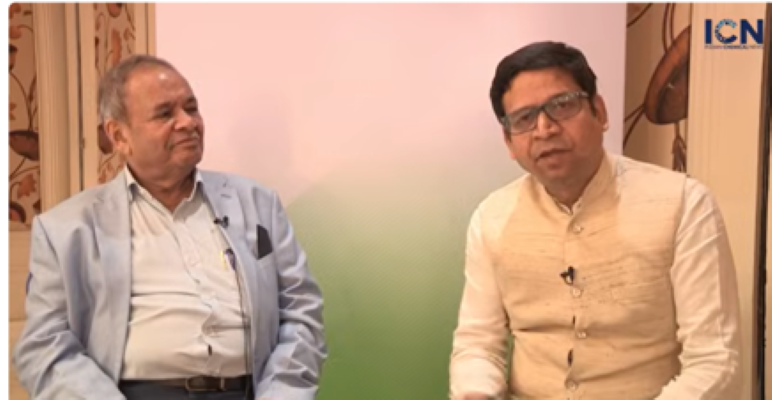
Vimarsh Verma, Director at SED, said, "Repeat orders are earned through performance. This milestone reflects the strength of our execution and the consistent results delivered across installations, while enabling water reuse and more efficient resource utilization for our customers.”
The repeat nature of the contract underscores a key reality in industrial procurement: performance consistency drives long-term partnerships. In high-load applications, factors such as energy efficiency, operational stability, and reliability increasingly outweigh upfront cost considerations.
The deal also signals a broader transformation underway across India’s chemical and allied industries. Technologies like thermal evaporation and vapour recompression are gaining ground for their ability to handle complex discharge streams while maintaining predictable plant performance.
With water stress intensifying and environmental norms tightening, the stakes are only getting higher. For manufacturers, the equation is clear—maximize water recovery, ensure reliable operations, and deliver fast returns on investment. In that race, proven execution and innovation are fast becoming the ultimate differentiators.